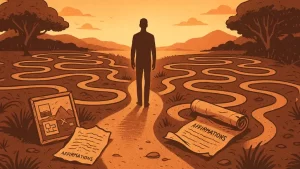
Imagine a life where rest, simplicity, and well-being aren’t the end goal, but the starting point. The soft life movement emerged as a response to an out-of-control hustle culture where performing is never enough and relaxation seems like an afterthought.
Those who choose a soft life consciously opt for less stress and greater alignment with what their body and mind truly need. It’s a lifestyle that invites slowness—without guilt—and originates from the Nigerian influencer community. Through platforms like TikTok, it has gained worldwide traction, especially among young people tired of constant pressure.
The 5 Key Takeaways
- Discover why rest isn’t a luxury, but a daily foundation for recovery
- Learn how this lifestyle offers an alternative to performance pressure and emotional burnout
- Understand why this trend resonates so strongly with women—and what that reveals
- Explore practical habits that create a noticeable shift in your energy
- Experience how gentle choices can actually lead to stronger boundaries and greater fulfillment
Under the hashtag #softlife, hundreds of millions of videos now circulate. Often, young women showcase how they prioritize self-care and relaxation—as a counterweight to a society that always wants more speed.
This article explains what a soft life means, why more people are recognizing themselves in it, and how you can apply it in your own way without having to change everything.

What Does Soft Life Mean?
A soft life is about making conscious choices that reduce stress and contribute to greater inner peace. The term refers to a way of living where simplicity, recovery, and joy take center stage, without falling into constant striving or overload.
The movement emerged as a reaction to years of the ideal of unlimited performance. Where hustle and #girlboss culture revolved around pushing forward, even at the cost of well-being, soft life shows that there’s another way. It’s an invitation to slow down without making yourself smaller or abandoning your ambitions.
Pros and Cons
Pros
- Strengthens emotional balance and mental clarity
- Creates space for sustainable choices that truly fit you
- Promotes recovery after periods of overload
- Allows well-being without performance pressure
Cons
- Can be misinterpreted as passivity
- Not always feasible in demanding social or work contexts
- Requires conscious boundary-setting
- Can clash with others’ expectations in your environment
According to psychotherapist Attiya Awadallah, this lifestyle revolves around consciously choosing joy, ease, and alignment with your own pace. Well-being is central—not as a luxury, but as a prerequisite. That also means setting boundaries, protecting your energy, and doing what works for you.
The goal isn’t to avoid all challenges, but to live from a place of stability and rest. Success gets redefined: less focused on numbers or status, more on quality of life and inner fulfillment.

Why Is Soft Life So Popular?
The rise of this lifestyle is connected to growing exhaustion from performance pressure. More and more people—especially millennials and Gen Z—experience how structural stress damages their energy, health, and relationships.
The pandemic years strengthened this awareness. What was once maintained out of habit took on new meaning. Many people began asking: is this worth it?
According to Dr. Evelyn Okpanachi, a collective sense of fatigue emerged. This led to greater need for simplicity, recovery, and clarity. Working in a context without room for well-being gradually stopped feeling inevitable.
A notable driver of the soft life movement comes from Black women on social media. Around 2021, the term began gaining recognition within the African online community, especially in Nigeria. Through TikTok and Instagram, a movement emerged where women encouraged each other to let go of the pressure to do everything perfectly.
Instead of endlessly juggling work, caregiving, appearance, and social expectations, awareness grew that rest and self-compassion deserve a place too. Precisely because Black women were often burdened with an image of tireless strength, this gentler approach also meant recovery. Soft life became an act of self-preservation and reclaiming one’s own pace.
On TikTok, the movement has since grown into a global phenomenon. The images range from luxe self-care moments to solo travel and wellness retreats. This sometimes draws criticism: as if it’s about money and outward display. That shallow reading misses the point.
The essence of a soft life lies not in possessions, but in a different mindset. The idea that your worth isn’t determined by your productivity, but by how well you care for yourself. That breaks matter. And that small pleasures deserve space instead of constantly having to prove something.
Influencer Kimora Brown puts it sharply: “Soft living is about denouncing hustle culture, it’s not about luxury culture. Capitalism is actually anti-soft living.” So it’s about mental rest and inner clarity as a foundation—not as an exception.

5 Practical Tips to Embrace a Soft Life
Those wanting to start a soft life don’t need a radical overhaul. Small adjustments to your daily rhythm can already make a difference. These five practical tips help add more gentleness, balance, and recovery to your daily life—regardless of your budget or situation.
1. Make Rest a Priority
In a soft life, rest gets as much attention as work or social obligations. Relaxation isn’t a reward afterward, but an active form of recovery. So consciously schedule moments that refill your energy—even if there’s no direct result attached.
That could be an hour without screens, a purposeless walk, or simply lying down and doing nothing. Research shows these breaks actually boost creativity, clarity, and effectiveness. Doing nothing for a while is far from pointless. It’s a foundation on which you build resilience.
2. Step Out of Constant Stress Mode
Many people function long-term in an elevated state of readiness. The nervous system is on, even with minor triggers. A soft life also means: recognizing when tension has become your default setting, and doing something about it.
Relaxation techniques like meditation, breathing, or gentle movement can help. But simpler adjustments also work—like consistent sleep and meal times, or putting your phone on silent after 8 p.m. The key is repetition. What your body experiences often enough, it learns to recognize as safe.
This way, rest stops being an exception and becomes part of your baseline rhythm. And that’s exactly what this lifestyle is about.
When your nervous system no longer runs constantly on high alert, space opens up. You think more clearly, have more energy, and make choices that better suit you. Rest becomes the standard you build from—not something you have to catch up on later.
3. Set Healthy Boundaries—Say “No” More Often
A gentler lifestyle also means deciding what you allow in your schedule and your mind. That sometimes requires difficult choices. The question isn’t whether you can handle everything, but whether you want to carry it all.
Ask yourself regularly: “Am I doing this for myself, or because I’m afraid of disappointing someone?” That honesty helps you choose consciously. A clear and kind no can create space for recovery, rest, and more direction.
Boundaries are needed in all areas of your life—at work, socially, and at home. No work emails after 8 p.m. No social obligations when your body signals it needs rest. No explanations when you’re not up for something.
It takes getting used to at first. Yet you’ll find that these boundaries not only help you, but also make your relationships clearer. Someone who’s clear about their boundaries often gets respect and space in return. And that brings relief.
4. Live Consciously and in Line with Your Values
A soft life isn’t vague or optional—it requires direction. You find that direction by reflecting on what works for you. Not on paper, but in practice.
What brings you fulfillment? Maybe that’s morning quiet, a day without plans, or time for creative work. Maybe it’s time with friends, movement, or solitude.
Once you’re clear on what truly matters, you can align your week around it. That sometimes requires practical choices: an evening without TV, a morning without rush, canceling an appointment. But what you get back is a daily rhythm that fits. Not because it has to—but because it works for you.
5. Embrace Imperfection and Be Kind to Yourself
The gentle path also requires acknowledging that you don’t have to do everything perfectly. Much tension comes not from what you do, but from what you expect of yourself. Perfectionism is often disguised fear—and it costs a lot of energy.
Good enough is often better than perfect. Allowing room for mistakes, discomfort, or delays helps you live more lightly. Awadallah says it well: “Your worth doesn’t depend on flawless performance.”
When you’re kind to yourself, you build a foundation stronger than any achievement. And that’s where rest comes from. You don’t have to prove anything. Just being present is sometimes enough.
Precisely when you allow yourself to stumble or pause, space opens for something new. Kindness isn’t weakness—it’s a skill that helps you stop constantly criticizing yourself. It starts by recognizing small steps—and appreciating what does work.
Seeking professional help or support from those around you is part of it too. A conversation with a coach, therapist, or good friend can make all the difference. Self-care isn’t always solo. Sometimes it means: allowing yourself to be held.
When you learn to live with your imperfection, existence becomes lighter. Nothing needs to be finished. Life can be lived—at the pace that works for you.

Conclusion
The soft life movement reminds us that life isn’t about survival, but about being meaningfully present. It’s a legitimate life philosophy where you take your body, mind, and emotions seriously—not just when things go wrong, but as a foundation.
That often comes down to simple choices: sleeping on time, taking more breaks, setting boundaries, and no longer measuring yourself against paces that aren’t yours. More and more people recognize themselves in this—partly thanks to visibility on social media, where this lifestyle grows into a countermovement against burnout.
Yet it goes beyond the hype. Soft life points to something fundamental: a need for slowness, for authenticity, for space to be yourself. That’s exactly where liberteque.com comes in—living in alignment with what truly nourishes you.
Verified Sources
- Tech Times: ‘Soft Life Era’ TikTok Trend – How this trend impacts mental well-being.
- Mashable: The Soft Life & Quiet Quitting – On the connection between soft life and the quiet resignation movement.
- The Everygirl: How to Live a “Soft Life” – Psychological insights and practical tips for a soft life.
Related Articles


Frequently Asked Questions
What exactly is soft life?
Soft life is a lifestyle where you choose less stress, more rest, and habits that make daily life more bearable. It’s not about luxury or laziness, but about creating space for recovery, slowness, and living in harmony with your own pace.
Why has soft life become so popular?
More and more people recognize the exhaustion that comes with years of performance pressure. Especially after the pandemic, there emerged a need for simplicity, recovery, and meaningful rest. On social media—particularly among Black women—this lifestyle grew into an alternative to the expectation that you must always keep going.
How can I embrace a soft life myself?
Start small: schedule rest moments, set clear boundaries, and live consciously according to what works for you. Let go of the need for perfection. A walk without your phone, an afternoon without appointments, or simply saying no more often are examples of how to put it into practice. What matters is that you prioritize your well-being in your choices.