Feeling the need for a way to find peace — not as a luxury, but as a necessity? Perhaps yin yoga offers exactly what you’re missing: a quiet refuge in a busy life. In this article, we explore how this slow form of yoga invites softening, slowing down, and a deeper attunement to your inner rhythm.
The 7 Key Points at a Glance
- Yin yoga is accessible to everyone — regardless of fitness level, age, or flexibility.
- Long-held poses contribute to stress reduction, flexibility, and recovery.
- The balance between yin and yang in the body is the core of this approach: rest and activity, softness and strength.
- The meditative nature of yin yoga helps develop a calm, stable state of mind — without forcing.
- By becoming still with yourself, feelings like self-compassion and gentleness can unfold more easily.
- Deeper sleep and more inner space are natural results of regular practice.
- Yin yoga can gently contribute to emotional balance and a greater sense of connection.
What is Yin Yoga?
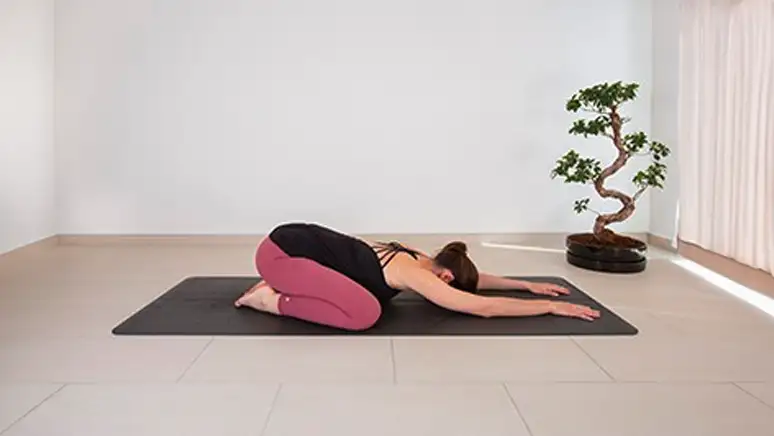
- Yin yoga is a calming form of yoga where poses are held while sitting or lying down, often for three to five minutes. The focus is not on muscle strength, but on connective tissue — and on what becomes felt in stillness.
- Benefits: The combination of slow movement and focused breathing supports relaxation, flexibility, and inner balance. Not by striving, but by remaining present.
Explained
Yin yoga is a gentle way to become still. You hold one pose for a long time — not to achieve something, but to allow something. Slowly, space opens up in your body and in your mind.
The Benefits of Yin Yoga
The effects of yin yoga on body and mind are often subtle — but profound. It helps you disconnect from a full day and reconnect with your breath. The poses invite slowing down, allowing tension to naturally release.
This form of yoga supports circulation and increases range of motion by slowly stimulating connective tissue. For people who sit a lot or stand for long periods, this can bring relief to joints, hips, and the back.
And perhaps the most beautiful benefit: yin yoga invites rest. Not just during the day, but at night too. Deep, refreshing sleep often begins with the willingness to let go in stillness.
Who Can Practice Yin Yoga?
Yin yoga is for everyone — young or old, flexible or stiff, experienced or beginner. The poses are not a performance; it’s about allowing what is. That’s what makes this form so accessible and healing.
For people with pain or injury, yin yoga can be particularly supportive. Because you take your time in every pose and don’t force anything, space for healing emerges. The slow pace has a calming effect — on the nervous system and immune system too.
Understanding the Origins of Yin Yoga
The roots of yin yoga lie in traditional Chinese medicine, where the concepts of yin and yang represent opposite but complementary forces. Yin is soft, dark, still; yang is active, warm, and bright. Health arises when the two are in balance.
Yin yoga invites you to nourish the yin aspect: rest, reflection, and stillness. By holding poses for extended periods, the body reaches deep relaxation. Your breath becomes your companion, and slowly balance returns between inner and outer.
Myths and Facts About Yin Yoga
| Myths and Facts | Answers | |
|---|---|---|
 |
Myth | Yin yoga is only suitable for people who are already flexible or limber. |
 |
Fact | Yin yoga is actually designed for every body — stiff or flexible, young or old. It’s precisely the gentleness that makes this form so accessible. |
|
Myth | Yin yoga is unsuitable for people with pain or injuries. |
|
Fact | For chronic tension or recovery from injury, yin yoga can be particularly supportive. The poses are approached with invitation, not force. |
|
Myth | Yin yoga is too boring and too slow to feel like ‘real’ yoga. |
|
Fact | While the poses are still, yin yoga requires attention, surrender, and patience. It’s an inner training — not of muscle strength, but of presence. |
Yin Yoga and Mindfulness
In a world where rushing and stimulation are the norm, yin yoga offers a path to conscious presence. By directing your attention to what you feel in the moment — without judgment — space emerges. Space for relaxation, for insight, and sometimes… for stillness.
Mindfulness is not something you ‘do.’ It’s rather something you slowly sink into — just as you sink into a pose. The stillness of yin yoga makes it easier to recognize and cultivate this state of being.
And it has an effect. Those who practice regularly notice that the mind becomes calmer, the body more receptive. Deeper sleep, less tension, and more groundedness in daily life become not goals — but natural side effects.
Yoga is the stilling of the fluctuations of the mind. ~ Patanjali

Conclusion
Yin yoga invites you to slow down — not just on the mat, but in how you live. By holding poses longer, a gentle invitation to let go emerges. Not by pushing something away, but by remaining present with what arises.
The power of this approach lies not in achievement, but in surrender. Stillness, flexibility, and inner clarity become felt — precisely because you’re not forcing anything.
More Yoga Styles
- What’s the Difference Between Bikram Yoga and Hot Yoga?
- What is Power Yoga and What Can It Do for You?
- Dive Into Your Own Possibilities
- ‘Yoga Gives Space’ by Skadi van Paaschen
Verified Sources
- Can’t Focus? Feeling Overwhelmed? This Quick Yin Yoga Practice Can Help.
- https://yogaposes.arasbar.com/11-yin-yoga-sequence-before-bed/
Related Articles


Frequently Asked Questions
What is Yin Yoga?
Yin yoga is a calming form of yoga where you hold one pose for an extended period. The focus is on stretching connective tissue and deepening your breath — without rush, without judgment.
Who is Yin Yoga Suitable For?
Anyone willing to slow down can benefit from yin yoga. Age, flexibility, or experience matter little. It’s the willingness to be still with yourself that counts.
How Can Yin Yoga Reduce Stress?
By moving slowly, holding poses, and breathing deeply, the nervous system comes to rest. Tension melts away — not because you force it, but because you no longer need to hold onto anything.
What Are the Benefits of Yin Yoga for Sleep?
When body and mind come to rest in the evening, sleep becomes a natural consequence. Yin yoga helps make that transition gentler — from thinking to feeling, from doing to being.
How Does Yin Yoga Help Improve Flexibility?
The deep stretches reach connective tissue around joints. Not by pushing, but by allowing. Flexibility emerges here not from achievement, but from patient surrender.