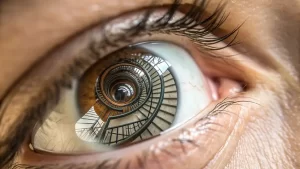
Self-love means having appreciation and respect for yourself. This includes taking care of your physical and mental health. Although most people are busy, it’s important to take the time to care for yourself and treat yourself with the love and kindness you deserve.
What is Self-Love?
Self-Love: According to the American Psychological Association, self-love is having concern for our own well-being and satisfaction.
Self-love advocates suggest taking baths and getting massages, but loving yourself goes far beyond occasionally indulging in these pleasures.
Self-love should be a daily activity in which you consult with yourself and treat yourself the way we treat loved ones.
The Brain and Behavior Research Foundation says that self-love comes from actions that support physical, psychological, and spiritual growth.
What Self-Love is Not
Some critics think self-love is a modern concept and merely self-indulgence. They see self-love as excessive self-focus and related to narcissism. But self-love is not about having a grandiose sense of self-worth or being inflated with self-importance. Self-love means taking care of your needs and recognizing that you have value.

The Importance of Self-Love
Your first relationship is with yourself, and it forms the foundation for relationships with others. Loving yourself enables you to live in accordance with your values and make healthy choices in your daily decisions. Self-confidence, self-respect, self-worth, and self-love are all interconnected. As we deepen our love for ourselves, we can deepen the love we share with others.
How to Practice Self-Love
Sometimes it’s difficult to stand up for yourself and think about your own needs. While it’s good to practice self-love here and there, it’s important to make it a daily practice.
Here’s how to incorporate self-love into your lifestyle.
Prioritize Your Well-Being and Mental Health
Your physical and mental health are directly related, and how you feel physically can affect how you feel mentally and emotionally. When you start loving and caring for your body, you also directly and positively influence your mental health.
Eating well and sleeping is important for maintaining your well-being and warding off illness. This means choosing healthy food and getting enough sleep every night.
Regular exercise has a positive effect on your overall health because movement reduces cortisol, the stress hormone, in your body.
Don’t forget to give yourself time to care for yourself and appreciate yourself. Struggling with mental health issues may require visiting a therapist, choosing online therapy, or using an app.
Embrace Self-Compassion
When you acknowledge your mistakes and accept your imperfections with kindness and without judgment, you demonstrate self-compassion. Dr. Kristin Neff’s widely accepted definition of self-compassion has three components:
- Self-Kindness: feeling kindness toward ourselves rather than judgment, criticism, or shame.
- Common Humanity: recognizing that we are part of a shared humanity because everyone makes mistakes, rather than seeing ourselves as isolated beings unworthy of love and belonging.
- Mindfulness: viewing mistakes mindfully by having perspective and not over-identifying with our mistakes.
In a pilot study on self-compassion, scientists empirically tested the use of a writing intervention to determine whether these self-compassion components influenced each other. The findings showed that the three components do indeed reinforce each other.
Don’t Compare Yourself to Other People
When we’re jealous of our friend’s promotion or feel like we’re falling short because we’ve gained ten pounds while our neighbor is in top shape, it’s hard not to feel down.
Social comparisons can cause stress. Comparison and competition can motivate you in ways that are helpful and not harmful. But more often, they diminish us by causing stress, anxiety, guilt, and shame.
Social media has affected our mental health in not-so-good ways. We regularly judge ourselves harder and feel not good enough. Heavy social media use has been linked to depression.
Set Boundaries
Setting boundaries helps with stress management. Sometimes you need to say ‘no’ at work or to your family to preserve your energy. One-sided relationships have an unequal distribution of energy, control, and consideration. Acknowledge your needs and make time for yourself by setting boundaries.
Forgive Yourself
Cultivate ways to stop self-hatred in any form. Forgive yourself for your past mistakes and find ways to heal. To incorporate self-love into your daily life, you must not dwell on mistakes and regrets. Instead of blaming yourself for things you probably couldn’t control anyway, turn to self-forgiveness.
Recent research shows that more forgiveness is associated with less stress and a decrease in psychological complaints.
Related Articles





Frequently Asked Questions
What is Self-Love?
Self-love is having appreciation and respect for yourself, taking care of both your physical and mental health. It involves daily activities that promote your well-being and satisfaction.
What are some misconceptions about self-love?
Many people think self-love amounts to self-indulgence or narcissism. In reality, self-love is about taking care of your own needs and recognizing your worth, without having an inflated sense of self-importance.
Why is self-love important?
Self-love is important because it forms the foundation for healthy relationships with others and helps you live in accordance with your values. It promotes self-confidence, self-respect, and self-worth.
How can I practice self-love?
You can practice self-love by prioritizing your well-being and mental health, embracing self-compassion, not comparing yourself to others, setting boundaries, and forgiving yourself for past mistakes.
What is the connection between self-compassion and self-love?
Self-compassion, as defined by Dr. Kristin Neff, consists of self-kindness, common humanity, and mindfulness. These components help you treat yourself with kindness and without judgment, which is an essential aspect of self-love.