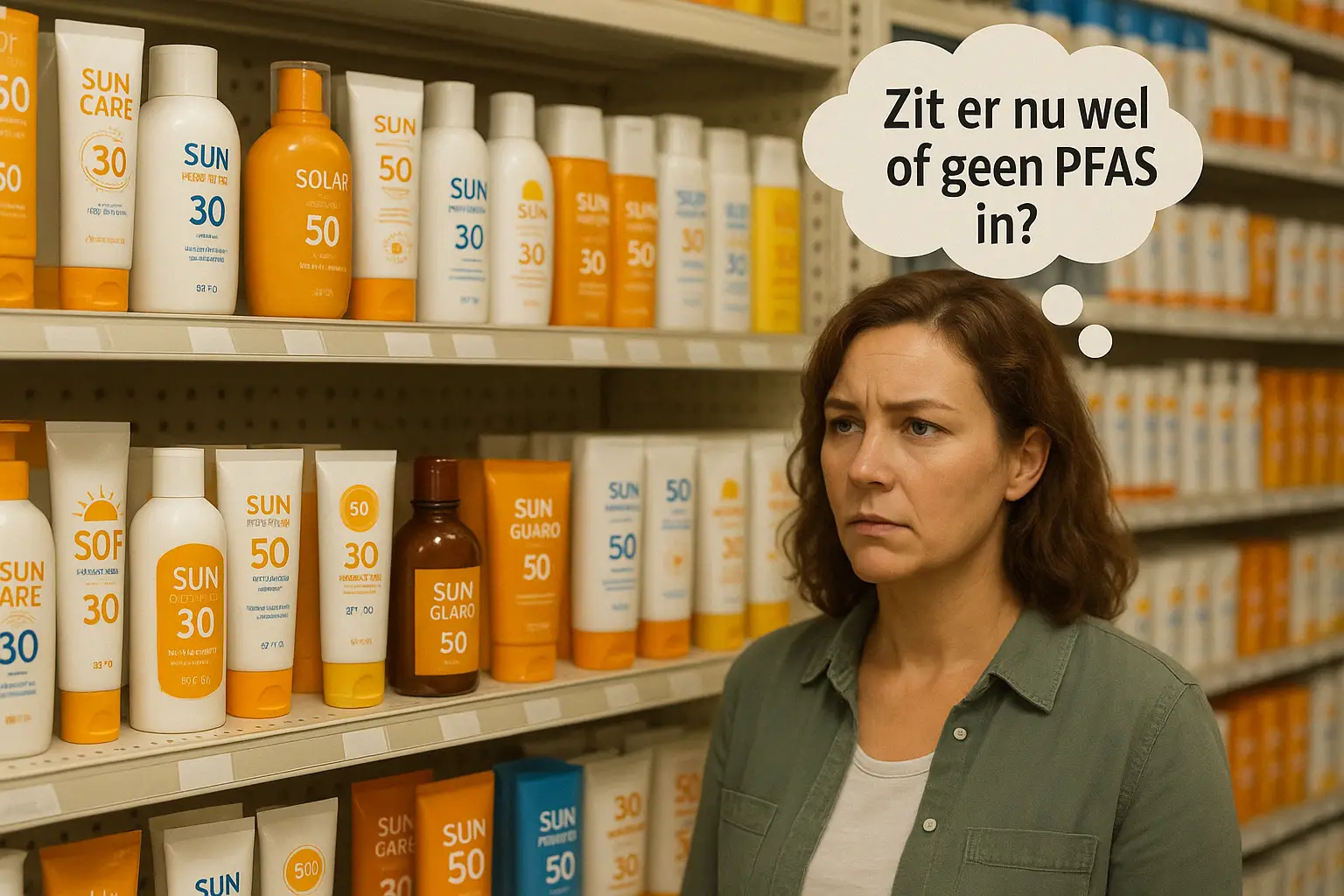
You apply it with the best intentions to your skin, but even the best-tested sunscreen according to Consumer Reports often contains liquid polymers. This is no innocent manufacturing mistake; it’s the biochemical reality of modern cosmetics.
Manufacturers deliberately add these synthetic chains, including variants chemically related to PFAS, for viscosity and film formation. They ensure the cream remains spreadable and forms a water-repellent layer. The result is a product that feels cosmetically perfect but physiologically represents a foreign burden on your body.
The 5 Key Takeaways
Microplastics and PFAS are not abstract environmental problems but a direct attack on your cellular health. Before diving into toxicology, here are the facts:
- Your skin is semi-permeable; nanoplastics and PFAS can reach the bloodstream through hair follicles.
- Your immune system recognizes these particles as invaders, leading to chronic, low-grade inflammation.
- Certain plastics function as xenoestrogens and disrupt your hormonal balance.
- PFAS (poly- and perfluoroalkyl substances) are often used as ‘liquid plastics’ due to their water-repellent properties.
- Marketing claims are unreliable; only strict certifications guarantee polymer-free composition.
The Physiological Impact of Accumulation
Microplastics are lipophilic (fat-loving) and penetrate cell membranes. Daily, your body accumulates particles smaller than a grain of salt. This seems negligible, but recent analyses show these polymers in the bloodstream and even deep in brain tissue. They cross the blood-brain barrier, which is biologically an alarm signal.
The physiological response is clear: your immune system attacks the plastic but cannot break it down. This frustrates macrophages (cleanup cells) and causes oxidative stress. Additionally, microplastics and PFAS function as endocrine disruptors: they mimic your body’s own hormones, block receptors, and thus disrupt your immune system. The correlation with unstable plaque in arteries also explains the increased risk of cardiovascular disease. Bioaccumulation is the key word here: what goes in barely comes out.
![PFAS in Sunscreen: Danger, Safety, and What to Watch for in the US [DOSSIER 2025]](https://goodfeeling.nl/wp-content/uploads/2025/04/PFAS-in-Zonnebrandcreme-1.webp "The Hidden World of PFAS Microplastics in Sunscreen | Liberteque Magazine 1")
The Chemical Reality: PFAS and Polymers
The ingredient list is definitive; the front of the package is marketing. The terms ‘PFAS’ and ‘microplastics’ often overlap in cosmetics; PFAS are frequently used as liquid plastics to make products water and oil-repellent. Even the 2025 Consumer Reports winners — for your body and for your face — rely on these synthetic stabilizers for their test results.
Marketing terms like “dermatologically tested” say nothing about internal toxicity. Only independent certifications guarantee polymer-free composition. Scan your product for these labels:
- European Ecolabel
- Zero Plastics Inside
- Demeter Certification
- Nordic Swan Label
- NaTrue
- Cosmos Organic
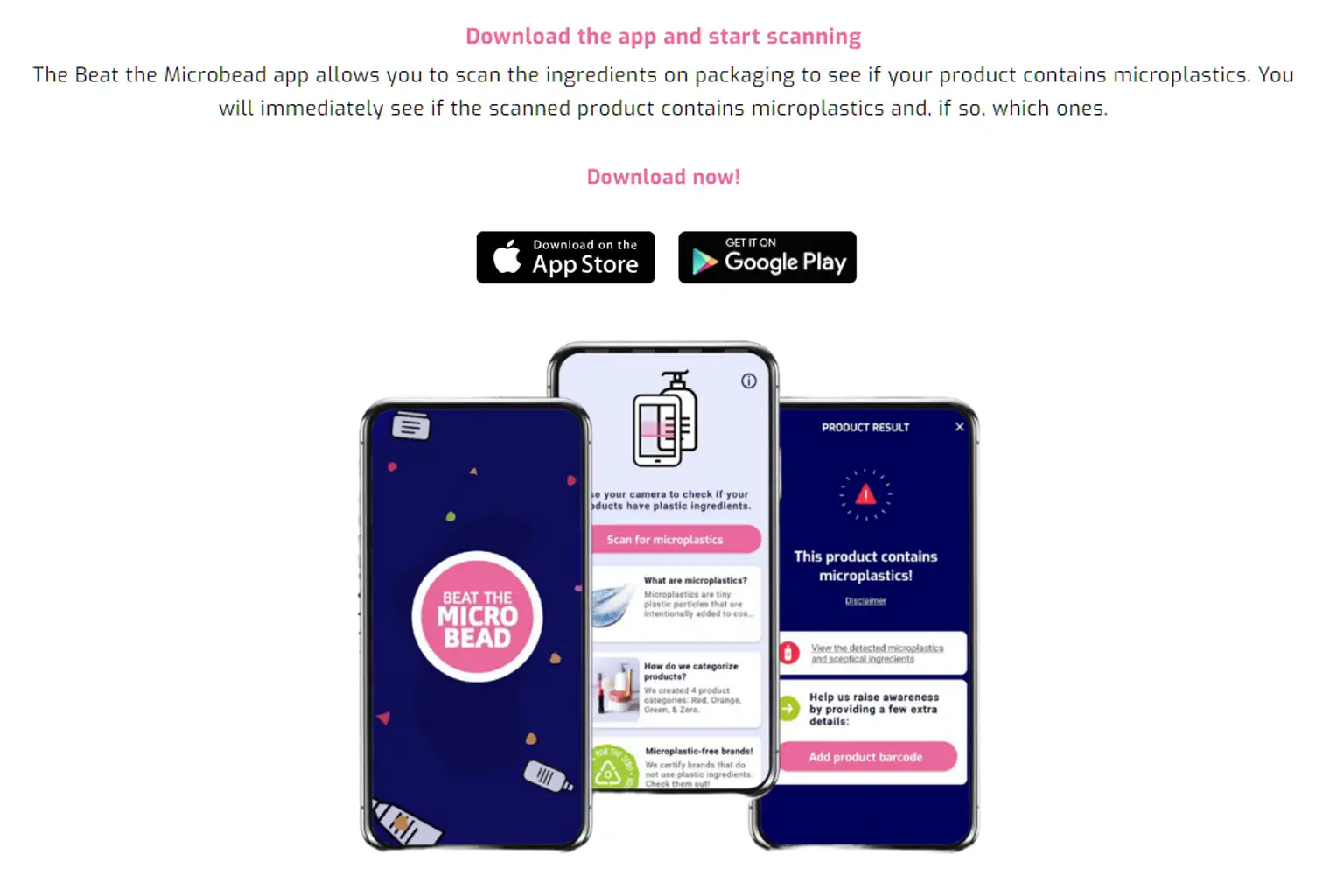
Chemical names in fine print are unreadable for laypeople. Use the database from the Beat the Microbead app by the Plastic Soup Foundation. Scan the barcode; the app compares the INCI list directly with known polymers and PFAS compounds via the Beat the Microbead website.

Safe Alternatives Without Synthetic Burden
Brands like Weleda, Jetske Ultee, Riemann, and Naïf typically formulate without synthetic polymers. However, blind trust is dangerous; formulations change. Check the packaging per batch or verify status via the Beat the Microbead app.
Skincare should not be a body burden. By choosing mineral and polymer-free filters, you prevent bioaccumulation and spare your endocrine system. This is the only logical choice for long-term cellular health.
Verified Sources
- Margriet: Best-tested sunscreen according to Consumer Reports – About sunscreens containing microplastics.
- Margriet: Microplastics found in blood and brain – Insight into where microplastics are found in the body.
- Margriet: Health effects of microplastics – Connection between microplastics and cardiovascular disease.
- Good Feeling: PFAS in Sunscreen [DOSSIER 2025] – Comprehensive report on chemical substances in sunscreen.
- Margriet: Best sunscreen for the face – Test results of facial products with microplastics.
- Plastic Soup Foundation – Organization working against plastic pollution.
- Beat the Microbead – App and campaign for identifying microplastics in cosmetics.
Gerelateerde artikelen


Frequently Asked Questions
Why are microplastics and PFAS in sunscreen?
Manufacturers use microplastics and PFAS as inexpensive stabilizers and emulsifiers. They create a water-repellent film on the skin and improve spreadability (viscosity). Functional for the cream, but physiologically undesirable because they can accumulate in the body.
How do microplastics disrupt my physiology?
Microplastics function as endocrine disruptors (hormone disruptors) and cause inflammation. The immune system recognizes the particles as foreign but cannot break them down, leading to chronic inflammatory reactions. Additionally, they are linked to plaque instability in blood vessels.
Which brands are guaranteed plastic-free?
Brands like Weleda, Jetske Ultee, Riemann, and Naïf often avoid synthetic polymers, but guarantees don’t exist without checking. Ingredient lists change. Always use the Beat the Microbead app to scan the current INCI list for polymers and PFAS.