![PFAS in Sunscreen: Dangers, Safety, and What to Look for in the Netherlands [FULL DOSSIER 2026].](https://liberteque.com/wp-content/uploads/2025/04/PFAS-in-Zonnebrandcreme-1.webp)
Public concern regarding per- and polyfluoroalkyl substances (PFAS) has increased significantly in recent years. These man-made chemicals are widespread in various consumer products (Milieu Centraal), ranging from non-stick cookware (such as PFAS-free pans) to water-repellent clothing and cosmetics (Indisha, EcoGoodies).
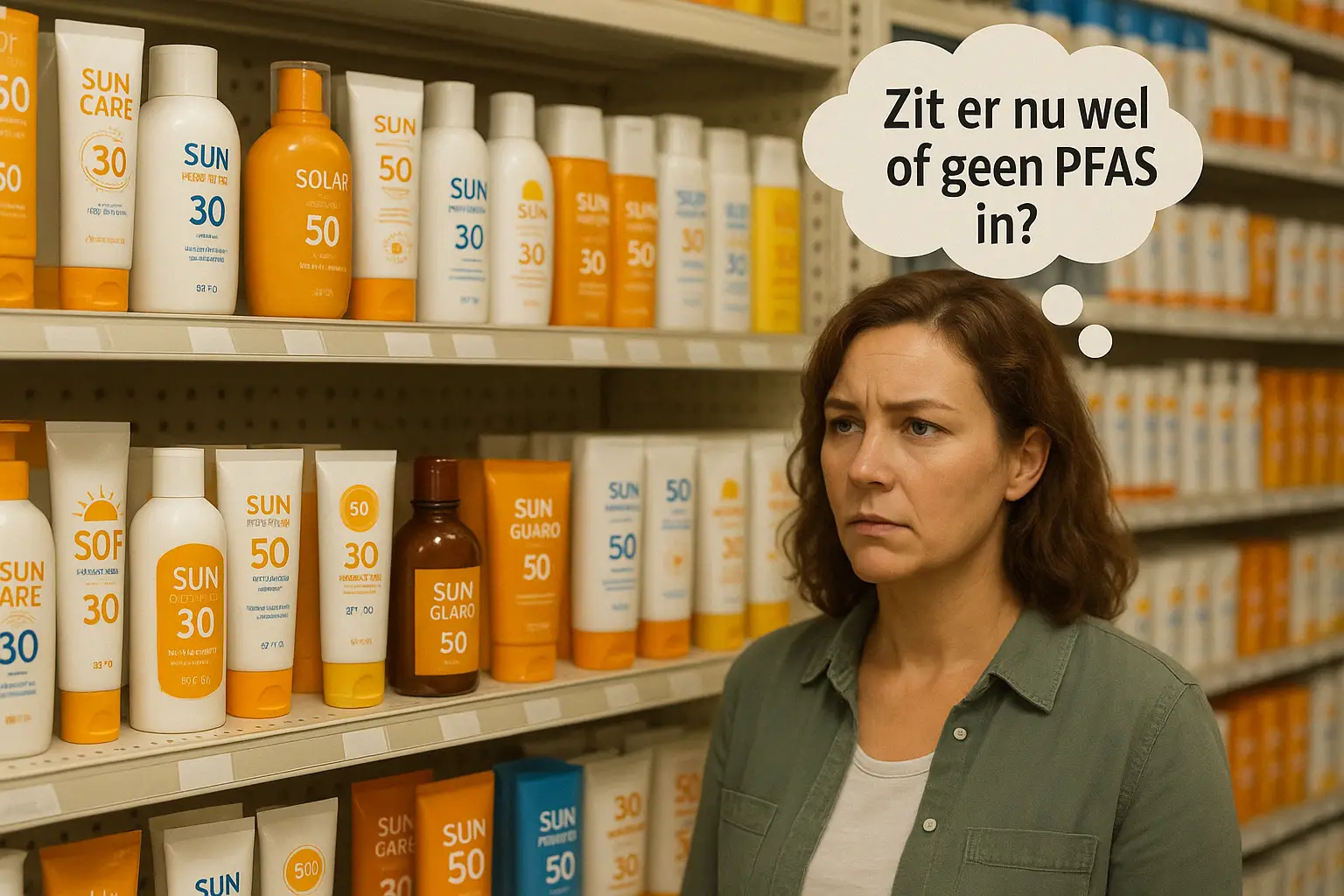
The omnipresence of PFAS in everyday items (Waarzitwatin) means that exposure is likely widespread, making it all the more important to understand their presence in commonly used products such as sunscreen (Beauty Journaal, Clean Product List). Sunscreen is a product of particular concern (Tegengif), as it is applied directly to the skin, providing a potentially direct route for the absorption of chemicals like PFAS into the body.
This comprehensive dossier, commissioned by Liberteque.com, is specifically focused on the situation for consumers in the Netherlands and aims to provide insight into the risks of PFAS in sunscreen (NEMO Kennislink), offer tools for identifying these substances in products (Tegengif Checklist), and inform about safer, PFAS-free alternatives (Food for Skin, De Groene Drogist) available in the Netherlands. The goal is to enable Dutch consumers to make informed choices regarding their sun protection (KWF). This report will cover scientific findings, relevant regulations within the European Union and the Netherlands (Dutch Government, RIVM Video), and practical advice for consumers.
What are PFAS and Why are They in Sunscreen?
PFAS is a collective term for a large group of more than 4,700 (and possibly more, see CIRS Group update) man-made chemicals (PFAS Knowledge Document [PDF]) that all contain a strong carbon-fluorine bond. This unique chemical structure gives PFAS several highly sought-after properties, including water resistance, stain resistance, grease resistance, and heat resistance.
Because of these properties, PFAS are widely used across a broad range of industries and consumer products (PFAS Action Framework [PDF]). PFAS are also known as “forever chemicals” (Nourished) due to their exceptional persistence and very slow degradation rate in both the environment (EEA) and the human body. This property leads to environmental accumulation, with potential contamination of water sources (RIVM Groundwater Report [PDF], EEB Drinking Water Briefing [PDF]) and the food chain (NVWA, Toxic Docs Risk Assessment [PDF]). It can also lead to build-up in human tissue over time (PubMed Central), increasing the risks of long-term exposure.
In cosmetics (NCV FAQ, Mijncosmetica), and particularly in sunscreen, PFAS are primarily used to improve water resistance, optimize the spreadability and texture of the product, or as film-forming agents to increase durability. While these properties can enhance the functionality and appeal of sunscreen for consumers, they are achieved through the use of chemicals with known and potential risks to health (Env-Health) and the environment (OVAM PFAS-suspected activities [PDF]), creating a trade-off that consumers must be aware of (Radar AVROTROS).
Available at Supermarkets and/or Drugstores
| Brand Name | Notes |
|---|---|
| Naïf | Mineral sunscreen, known to be PFAS-free. |
| Zenova suncare (Action) | New formulation is reef-friendly and microplastic-free. Check ingredients list for PFAS. |
| Lavera | Natural cosmetics, known to be PFAS-free. |
| Weleda | Natural cosmetics, known to be PFAS-free. |
| Benecos | Natural cosmetics, known to be PFAS-free. |
Potential Dangers: Health Risks Associated with PFAS
Scientific research and epidemiological studies have linked a wide range of potential health effects to PFAS exposure (RIVM PFAS Info). These effects include liver damage, thyroid disorders, an increased risk of obesity, reduced fertility, immune dysfunction (including a possible weakened response to vaccinations), and an increased risk of certain types of cancer, such as kidney and testicular cancer, as well as potential developmental issues in children and effects on birth weight.
It is concerning that even chronic exposure to very low concentrations of certain PFAS has been linked to adverse health effects, particularly on the immune system (RIVM Risk Assessment Report [PDF]). The extensive and diverse set of potential health risks associated with PFAS exposure underscores the need for consumers to exercise caution and actively seek to minimize their exposure to these chemicals from all possible sources, including personal care products like sunscreen. Certain PFAS, such as perfluorooctanoic acid (PFOA) and perfluorooctane sulfonate (PFOS), have been identified as particularly harmful and are therefore more strictly regulated (Dutch Government: Why not banned?).
The use of some of these substances is already banned or significantly restricted in many applications (RIVM Ban info). However, the emergence of newer PFAS alternatives, such as GenX substances (Prov. South Holland [PDF]), is also causing concern among researchers due to their persistence and potential for adverse health effects. The tendency to replace one type of PFAS with another, often with shorter carbon chains, does not necessarily eliminate the risks, as these alternatives can also exhibit persistence and toxicity. This highlights the need for a more comprehensive approach aimed at avoiding the entire class of chemicals whenever possible.
Are There Safe PFAS? The Evidence Examined
The question of whether “safe” PFAS exist for use in consumer products is complex, given the current state of scientific research and ongoing discoveries in this field (Exponent). Conducting comprehensive long-term studies on the vast number of existing PFAS is an inherent challenge, and our understanding of their potential toxicological effects is constantly evolving.
While some regulatory bodies or scientific assessments may consider certain PFAS an acceptable risk at very low concentrations for specific applications, the overall trend within the scientific and regulatory communities is one of increasing caution regarding the entire class of PFAS.
The Hidden World of Microplastics in Sunscreens
Due to the persistent nature and the potential for cumulative exposure and effects of PFAS, combined with the steady stream of new research revealing potential risks associated with even less-studied PFAS, it is becoming increasingly difficult to definitively label any PFAS as irrefutably “safe” for widespread and long-term use in consumer products (CPSC White Paper [PDF]), especially those applied directly to the skin like sunscreen.
Even if some PFAS appear less toxic on their own or at very low concentrations, the reality of widespread exposure to a complex mixture of different PFAS from multiple sources can lead to additive or synergistic effects that cannot be ignored. This complexity necessitates a precautionary principle that favors avoiding all intentionally added PFAS in personal care products (contrary to CBD position). The growing scientific consensus and the increasing regulatory momentum to implement broader restrictions or even a total ban on the entire class of PFAS (VNCI), rather than focusing on regulating individual substances on a case-by-case basis (JD Supra on ECHA steps), is significant.
Ongoing efforts within the European Union to ban all non-essential uses of PFAS (ERM on REACH prep, Cosmetics Business EU Ban) and the joint initiative of several European member states, including the Netherlands, to propose an extensive restriction on the entire group of PFAS under the REACH regulation (RIVM Details European Ban), underscore this. This significant shift in regulatory strategy (Biorius News) strongly suggests that the most prudent approach for consumers concerned about PFAS exposure is to prioritize selecting products that are explicitly formulated as PFAS-free (Labocosmetica PFAS-free), rather than attempting to distinguish between potentially “safe” and “dangerous” individual PFAS.
Decoding Your Sunscreen Label: Finding Hidden PFAS
For consumers who want to avoid the presence of PFAS in sunscreen and other cosmetic products (EcoMundo PFAS in Cosmetics), it is essential to know how these substances are listed on the ingredients list. Although the chemical names of PFAS are often long and complex, there are certain clues consumers can look for. For example, the prefixes “per-” and “poly-” and the presence of the word part “fluoro” in the ingredient name are strong indicators of the potential presence of PFAS (Detic).
Some common PFAS ingredients that can occur in cosmetics and can therefore be found on sunscreen labels include perfluorooctanoic acid (PFOA), polyperfluoromethylisopropyl ether, polyperfluoroisopropyl ether, polytetrafluoroethylene (PTFE), perfluorodecalin, perfluorohexane, perfluorooctane sulfonates (PFOS), and perfluorononanoic acid (PFNA). There are also restrictions on specific PFAS such as PFHxA (H2O Waternetwerk, Personal Care Insights, Cosmeservice, SpecialChem).
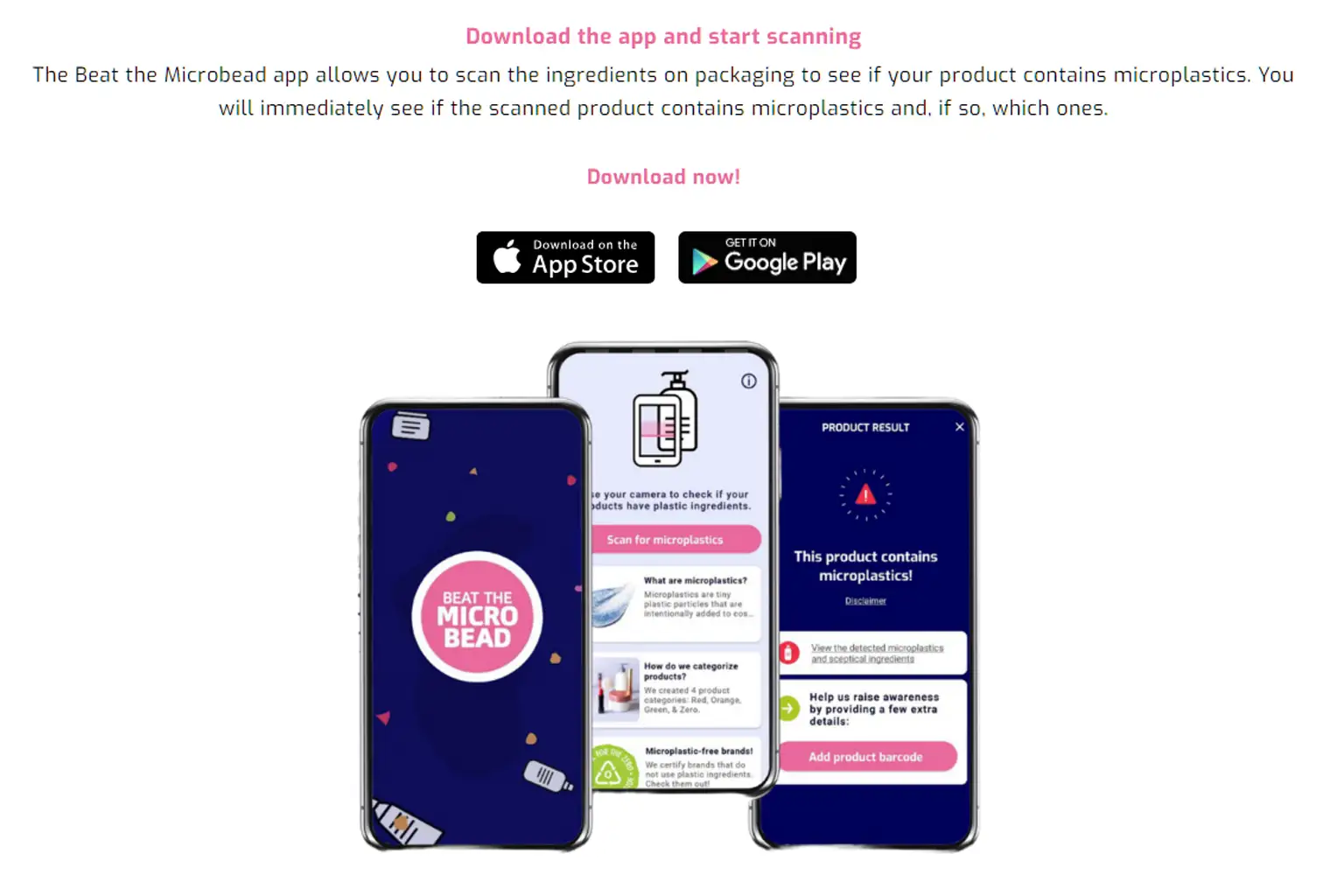
Recognizing these naming conventions and structural indicators can enable consumers to make better-informed purchasing decisions, even without an in-depth understanding of the complex chemistry of individual PFAS. Additionally, consumers can use handy mobile applications for scanning ingredients, such as the INCI Beauty app or the Think Dirty app. These apps allow users to scan a product’s barcode or manually enter the ingredients list to quickly check for the presence of PFAS and other potentially harmful substances.
However, it is important to remember that the information available on websites and in these apps may not always be completely up to date (Consumentenbond: Manufacturers ignore rules, Consumer Guide Products with PFAS [PDF]), as manufacturers may periodically update the ingredients lists of cosmetic products (Cosmetics Europe Recommendation [PDF]). Therefore, it is always advisable to check the physical product packaging for the most recent and accurate ingredient information. By using these tools and knowledge, consumers can better navigate the complexity of ingredient lists and make informed choices to minimize their exposure to PFAS via personal care products.
Certifications and Quality Marks: Your Guide to PFAS-Free Sunscreen in the Netherlands
For consumers in the Netherlands looking for sunscreen that is certified PFAS-free, certain quality marks and eco-labels can provide valuable guidance. The European Ecolabel (EU Ecolabel) (EU Ecolabel Criteria [PDF], Coslaw, BEUC, EU Ecolabel DE, META EEB, HKTDC Research, JRC Comments [PDF], ChemLinked) and the Nordic Swan Ecolabel (Nordic Swan Criteria, Svanemaerket DK, Svanen SE, Criteria Doc 1 [PDF], Background Doc 1 [PDF], API Doc [PDF], Criteria Doc 2 [PDF]) are two prominent certifications that apply strict criteria regarding the use of PFAS in cosmetic products, including sunscreen.
These eco-labels provide consumers with a reliable way to identify products that have been independently verified and meet high environmental and health standards, including the absence of PFAS. Other certifications often found on natural and organic cosmetic products (Detoxplein), such as Cosmos Organic, Natrue, and Ecocert, can also be indicators of brands that typically avoid the use of synthetic chemicals, including PFAS, although this is not always an explicit criterion for all natural certifications.
The “Zero plastics inside” label (NoPlasticPlease) is a certification indicating that the product contains no microplastics. Since some fluorinated polymers can fall under the broader definition of microplastics, this label can provide extra assurance for consumers concerned about certain types of PFAS (Care for Skin – Without Plastic). By paying attention to these quality marks and certifications, consumers in the Netherlands can more easily select sunscreen that is free from PFAS and other potentially harmful substances (Green Lifestyle).
Leading Brands: PFAS-Free Sunscreen Options in the Netherlands
There is a growing number of brands available in the Netherlands focused on formulating sunscreen without the use of PFAS (Indisha Blog, Viva Donna Blog). Several brands mentioned in the researched sources as natural, organic, or explicitly PFAS-free include Lavera, Weleda, Living Nature, Mádara, PHB Ethical Beauty, Benecos, and INIKA.
In addition, other brands focusing on mineral or natural sunscreen formulations (Bewust Puur Mineral Sunscreen, Bewust Puur Mineral Collection), which are inherently less likely to contain PFAS, include Alphanova Sun, Green People, Loveli, Sol de Ibiza (Zepig Natural Sunscreen), and Dr. Jetske Ultee (Dr. Jetske Ultee Test Winner). Specific products like Kelfort sunscreen are also offered as PFAS-free (Smit Maassluis).
The increasing availability of multiple brands offering PFAS-free sunscreen on the Dutch market (Groene Helden Academy, Bio Amable Vegan Sunscreen, Bewust Puur Collection) shows that consumers have more choices and do not necessarily have to compromise on effective sun protection to avoid these potentially harmful chemicals. It is always advisable for consumers to carefully check product labels and the official websites of these brands for the most up-to-date and specific information regarding their formulations and any explicit claims of being PFAS-free (NCV Current).
Table: PFAS-Free Sunscreen Brands Available in the Netherlands (Non-Exhaustive)
| Brand Name | Description |
|---|---|
| Lavera | Natural cosmetics, often with Ecocert label, known to be PFAS-free. |
| Weleda | Natural cosmetics, known to be PFAS-free. |
| Living Nature | Natural cosmetics, known to be PFAS-free. |
| Mádara | Natural brand from Latvia, makeup and care products are often PFAS-free. |
| PHB Ethical Beauty | Natural and vegan cosmetics, known to be PFAS-free. |
| Benecos | Natural cosmetics, known to be PFAS-free. |
| INIKA | Natural makeup, known to be PFAS-free. |
| Alphanova Sun | Mineral sunscreen, often without parabens and nanoparticles. |
| Green People | Certified natural sunscreen, often fragrance-free. |
| Loveli | 100% natural sunscreen, often fragrance-free. |
| Sol de Ibiza | Completely natural, organic, and vegan sunscreen. |
| Dr. Jetske Ultee | Sunscreen without allergens, fragrance, and alcohol; contains microplastics. |
Note: This table is based on available research fragments and is subject to change. Consumers are advised to always check product labels for the most current information.
The Cost of Safety: Comparing Prices of PFAS-Free and Regular Sunscreen
Sunscreen prices, both PFAS-free and conventional, can vary significantly depending on factors such as brand name (compare prices of, e.g., Caudalie or Lancaster on sites like Supersales), ingredient quality (e.g., mineral vs. chemical UV filters (RIVM on nanoparticles), organic ingredients), sun protection factor (SPF), pack size, and the specific retailer. Generally, some natural and mineral-based sunscreens (which are often PFAS-free) may be priced slightly higher than common, mass-produced conventional options.
This may be due to the cost of ingredients, production processes, and the certifications involved with natural and organic products. However, it is important to emphasize that affordable PFAS-free choices are also available. Some private labels or budget-friendly options that have received positive reviews in tests (Consumentenbond Best Sunscreen), such as Cien Sun Love Your Planet (although the SPF value was debated Hart van Nederland, Metro Nieuws) or Zenova (Parkweg Clinic), can also be PFAS-free.
Therefore, consumers do not necessarily have to spend more to make a safer choice. It is advisable to compare prices from different brands and retailers (both online and in physical stores) and look for promotions, discounts, or value packs to find a PFAS-free sunscreen that fits their budget and needs. The perception that PFAS-free sunscreen is always more expensive is not necessarily true, and a range of price points is available, making safer choices accessible to a wider audience.
Does PFAS Affect Shelf Life? What We Know
The shelf life of sunscreen is generally indicated by the symbol of an open jar with a number followed by the letter “M” (for months), denoting the “period after opening” (PAO) (Viata). Unopened sunscreen typically has a shelf life of about 2 to 3 years from the date of manufacture, but this can be influenced by storage conditions. Exposure to high temperatures and direct sunlight can accelerate the degradation of active UV filters and other ingredients (KWF Facts & Fables). Proper storage of sunscreen is therefore crucial to maintain effectiveness throughout the indicated shelf life, regardless of whether it contains PFAS. There is currently no strong scientific evidence suggesting that PFAS themselves significantly affect the shelf life of sunscreen.
However, some sources suggest that mineral sunscreens (often formulated without PFAS) may have a longer shelf life compared to some chemical sunscreens due to the inherent stability of mineral UV filters, such as zinc oxide and titanium dioxide. It is thus plausible that the overall formulation of the sunscreen, including the type of UV filters and other ingredients (Milieu Centraal Cosmetics), which may correlate with the presence or absence of PFAS, indirectly affects stability and shelf life. More specific research into this aspect would be useful. Generally, the advice is not to use sunscreen beyond the indicated shelf life and to discard the product if the texture, smell, or color has changed.
Making Informed Choices: Recommendations for Consumers
In summary, there is growing concern about the presence of PFAS in consumer products, including sunscreen, due to potential health and environmental risks (RIVM Q&A). While scientific research into the safety of all individual PFAS is ongoing, the general trend in regulation and public opinion is one of increasing caution. Consumers who wish to avoid PFAS in their sunscreen can take the following steps:
- Read the ingredients list carefully: Watch for the prefixes “per-” and “poly-” and the presence of “fluoro” in ingredient names.
- Use ingredient scanning apps: Use apps to identify potential PFAS ingredients.
- Choose products with relevant quality marks: Give preference to products with the European Ecolabel or the Nordic Swan Ecolabel. Consider natural and organic certifications as indicators.
- Select brands that explicitly state they are PFAS-free: Consult the brands mentioned in this report and check product packaging and websites.
- Compare prices: Research various brands and retailers to find affordable PFAS-free options.
- Store sunscreen properly: Follow storage guidelines to ensure the product’s effectiveness within its shelf life.
It is important for consumers to stay informed about the latest research and regulatory developments regarding PFAS in cosmetics. If necessary, consumers can contact manufacturers directly for more information about their products’ ingredients.
Fortunately, there is a growing range of safer, PFAS-free sunscreen alternatives available (Consumer Association Sustainable Sunscreen), and awareness of this issue is increasing among both consumers and manufacturers.
Consulted sources:
- rijksoverheid.nl | PFAS Rules – Explanation of government regulations surrounding PFAS.
- milieucentraal.nl | Products with PFAS – Overview of everyday products containing PFAS.
- beautyjournaal.nl | PFAS in mascara and benzene in sunscreen – Article on harmful substances in cosmetics.
- rivm.nl | Video Ban on PFAS in Europe – Information video about the European PFAS ban.
- cdn.toxicdocs.org | Risk assessment of PFAS in food and water – Risk assessment of PFAS through nutrition and drinking water.
- nemokennislink.nl | Seven questions about PFAS – Popular science explanation of PFAS.
- rivm.nl | PFAS – English explanation of PFAS by RIVM.
- groeneheldenacademie.nl | Sustainable sunscreen 2023 – Comparison of sustainable sunscreen products.
- rivm.nl | PFAS in Dutch groundwater – Report on the presence of PFAS in groundwater.
- indisha.nl | PFAS in cosmetics – Explanation of PFAS in care products.