Why THC Vapes Are More Dangerous Than You Think
At first glance, THC vapes seem like a modern and controlled way to use cannabis. Yet health problems are increasing, especially among teenagers. More and more teens are ending up in the hospital with breathing problems or heart issues after using these devices.
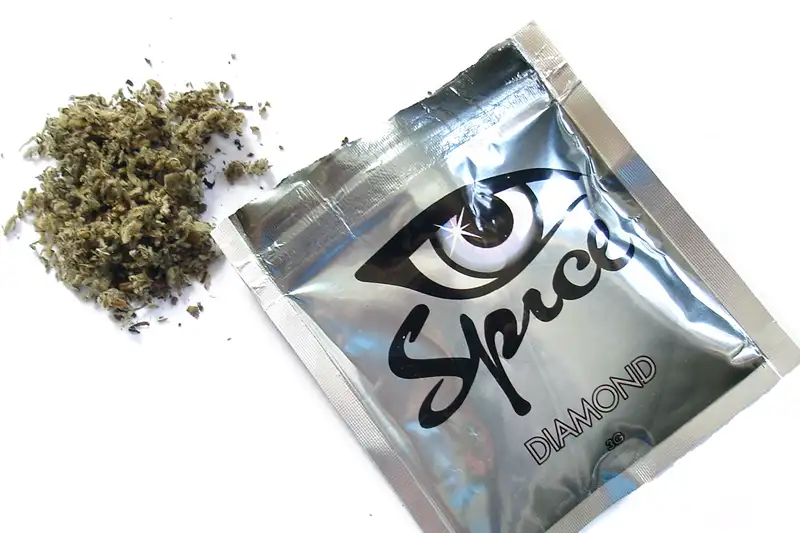
What many young people don’t realize is that a large portion of these vapes contain no natural cannabis at all. Instead, they contain spice — a synthetic variant of cannabinoids developed in illegal labs. These substances are up to 25 times stronger than regular marijuana and can cause serious physical and psychological reactions.
The 5 Key Takeaways
- Many THC vapes contain spice instead of natural cannabis, without teens knowing it
- Synthetic cannabinoids are up to 25 times stronger than regular marijuana and cause serious side effects
- Teens can become addicted within days and experience severe withdrawal symptoms
- Dealers sell via Snapchat and deliver even to school grounds
- Hospital admissions from THC vapes are increasing, with symptoms including fainting and lung problems
The Difference Between THC and Spice: Why This Matters
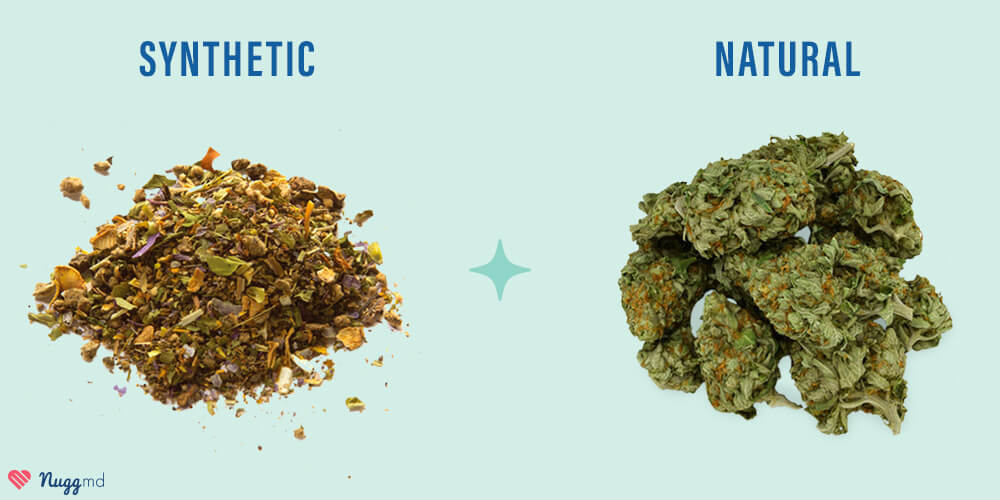
THC from the hemp plant is plant-based and has been used for longer, including in medical applications. Synthetic cannabinoids are chemical variants that often have no resemblance to the original plant. They are produced in unregulated environments and are known for their unpredictable and intense effects. Scientific research shows that these substances can cause serious damage to various types of body tissue.
Many of these vapes are sold under the label “natural cannabis,” when in reality they contain spice. Low production costs play a major role — with twenty euros worth of raw materials, it’s easy to fill a hundred bottles.
For young people, it’s hard to see exactly what they’re using. The effect initially seems like getting high, but the impact is much more intense and can lead to addiction or other serious problems within a short time.
Dramatic Health Risks Parents Need to Know
The use of synthetic cannabinoids is linked to serious neurological problems such as memory loss, seizures, and even coma. Medical research also confirms symptoms such as agitation, psychosis, and heart rhythm disorders.
The reporting center for vape complaints receives increasingly concerning reports. A sixteen-year-old girl was admitted with breathing problems and coughing up blood, immediately after using a THC vape. A fourteen-year-old boy with asthma needed emergency oxygen in the hospital. Doctors indicate that each reported case is likely just the tip of the iceberg.
Pros and Cons
Pros
- No combustion like smoking
- More discreet than traditional methods
- Less odor than joints
- Precise dosing possible (only with legal products)
Cons
- Often synthetic cannabinoids instead of natural THC
- Extreme addiction risks, especially in teens
- Unknown and dangerous additives
- Serious health risks including hospitalization
How Dealers Reach Teens Through Social Media
Snapchat plays a central role in distributing THC vapes to young people. Dealers use stories and direct messages, allowing them to deliver within half an hour — even to school gates. The vapes typically cost between fifteen and twenty dollars.
The advertisements seem innocent: colorful packaging, flavors with names like “blueberry haze” or “tropical punch,” and emojis that keep it playful. For many teens, it feels like a simple order, just like ordering food through a delivery app.
Schools often feel helpless. Dealers position themselves just outside school grounds, on public property where enforcement is more difficult. They know the rules and actively take advantage of them.
The Spice Epidemic: Lessons from England
In England, the consequences of this trend are already visible. Research among young people shows that vaping — especially when nicotine and THC are combined — is strongly associated with psychosocial problems such as anxiety, depression, and social withdrawal.
Schools have seized thousands of illegal vapes. In one out of six, spice was found, a substance that was previously mainly found in prisons and among vulnerable groups. The transition to schools is a warning sign.
A fifteen-year-old girl, Jessica, used spice vapes daily under the assumption they were regular cannabis. When she tried to quit, she experienced such severe withdrawal symptoms that she was admitted to a clinic. Her mother described it as “detoxing at the level of heroin.”
Glossary
- Spice: Artificially produced cannabinoids with a stronger and more dangerous effect than natural cannabis
- THC vapes: Electronic vaping devices with tetrahydrocannabinol, the psychoactive substance in cannabis
- Synthetic cannabinoids: Laboratory substances that mimic the effects of cannabis but are unpredictable and highly concentrated
- EVALI: Abbreviation for “E-cigarette or Vaping Associated Lung Injury” — a serious lung disease linked to vaping
Why Teens Are Extra Vulnerable
Teen brains are still developing. Substances like nicotine and THC have a deeper impact than in adults. According to the CDC, teens become dependent on vaping devices and their contents more quickly.
Pulmonologist Daniëlle Cohen sees this in practice. Some children become addicted within days. A single vape with 15,000 puffs can contain as much nicotine as twenty packs of cigarettes. That puts usage into sharp focus.
Teens report keeping their vape next to their bed — not as a habit, but because they can’t sleep otherwise. This kind of dependency develops faster than parents or teachers often realize.
The Danger of Unknown Additives
Illegal THC vapes rarely contain only cannabis-like substances. They are often filled with thinning agents or flavorings that haven’t been tested for safety. Research around EVALI found that nearly half of the products examined contained vitamin E acetate — a substance normally found in skin products but can cause serious lung damage if inhaled.
According to Yale Medicine, this thinning agent is the primary cause of EVALI, a potentially fatal condition that can develop in vapers.
An additional problem: many vapes are modified on the spot. Dealers open the cartridge and add liquids, often without knowing if the contents are even safe. The user never knows exactly what they’re inhaling.
Conclusion
THC vapes carry risks that go far beyond an innocent experiment. Especially teens are in danger due to the presence of synthetic cannabinoids, addictive nicotine, and unknown additives. What starts as seemingly harmless can turn into hospitalization or addiction within days.
For parents, schools, and healthcare providers, there is a clear task ahead. Understanding and openness are important, but so is actively providing information. We’re at a point where warning is not exaggerated — it has become necessary.
Verified Sources
- Research on pathophysiological damage from synthetic cannabinoids – Provides insight into the effects of spice on body tissues.
- Medical research on neurological damage from synthetic cannabinoids – Describes serious consequences such as seizures and coma.
- Vaping and psychosocial problems in teens – Examines the link between vaping and mental health in England.
- CDC on youth and e-cigarettes – Information on increased addiction susceptibility in teens.
- NEJM on vitamin E acetate and EVALI – Research on the role of vitamin E in vape-related lung damage.
- Yale Medicine on EVALI – Describes EVALI and causes such as thinning agents in THC vapes.
Related Articles


Frequently Asked Questions
What’s the difference between THC vapes and regular vapes?
THC vapes contain tetrahydrocannabinol, the active substance in cannabis. Regular vapes usually contain nicotine. However, many THC vapes turn out to contain synthetic cannabinoids, which increases the risk of harm.
How can I tell if my child is using THC vapes?
Watch for sudden fatigue, behavioral changes, red eyes, unexplained spending, or secretive behavior around electronic devices.
Are THC vapes addictive?
Yes, especially in teens. Due to the combination of nicotine and synthetic substances, strong dependency often develops within days.
What should I do if my child becomes ill after vaping?
Call for medical help immediately. If possible, bring the device so doctors can analyze what was inhaled.
Where do teens buy THC vapes?
Mainly through social media like Snapchat. Dealers often deliver directly to homes or even school gates, sometimes for under $20.