As cannabis use among older adults increases, doctors and nurses are grappling with limited scientific evidence and growing concerns about safety, potency, and long-term health effects for seniors.
Experts warn that today’s products, which are far more potent, carry risks for heart health, brain function, and the potential for addiction, especially in people over 65.
The 5 Key Takeaways
- Modern cannabis is much stronger than marijuana from the 1970s; the consequences are often underestimated.
- What once felt harmless can have different effects on an aging body.
- Not only the substance itself, but also the method of use (smoking, eating, drops) determines the risk.
- The belief that you can’t become addicted to cannabis is persistent but incorrect.
- In some situations, cannabis can provide relief, but always within clear limits.
Eloise Theisen never set out to become a specialist in medical cannabis use. She now works as a clinical nurse specialist in geriatrics with a focus on cannabis therapy at Stanford Medicine.
She first encountered cannabis when other treatments failed to adequately manage chronic pain following a serious car accident. When she later returned to her work in an oncology clinic, she noticed a similar pattern among her patients. Many asked about marijuana use, while good medical guidance was barely available at the time.
“I saw that patients were going to use it anyway, whether their doctors recommended it or not,” Theisen says. “Many of these patients were older and faced health risks that should have been assessed first.”
In the Netherlands too, we see an increasing number of older adults using cannabis. These are partly people who have been using it recreationally for years (the generation that was young in the 1960s and 70s is taking the habit into old age), but also people who discover it (anew) as a remedy for pain or poor sleep. At the same time, we don’t know enough about the effects on an aging body. Many older adults use cannabis for chronic pain, insomnia, or anxiety symptoms. According to Smita Das, MD, PhD, associate professor of psychiatry and behavior, medically speaking there is no green light yet for it being effective for all these complaints.
Pros and cons of cannabis use in older adults
Pros
- Can provide relief for some conditions, such as chronic pain or nausea.
- Some users sleep better or feel calmer.
- In palliative care, it can increase comfort and quality of life.
- Can in specific cases help limit the use of other heavy medications.
Cons
- Increases the risk of heart problems, especially with regular use.
- Can affect brain functions (such as memory) and increase the risk of falling.
- Today’s strong products increase the chance of accidentally taking too much.
- There is a real risk of addiction, even if you’re older.
Specific risks
Doctors warn that regular cannabis use carries specific risks for people over 65. This includes a higher risk of cardiovascular disease, interaction with other medications, and cognitive decline. Additionally, the cannabis you buy at a coffee shop today is much stronger than what people remember from their youth, which increases the risk of feeling unwell.
Glossary
- Tetrahydrocannabinol (THC): The substance in cannabis that produces the effect that makes you ‘high’ or ‘stoned.’
- Cannabidiol (CBD): A component of cannabis without intoxicating effects, often used as an oil.
- Overdose: Taking an amount that leads to unwanted effects (such as anxiety or heart palpitations).
- Palliative care: Care aimed at comfort and quality of life in the final stage of life.
The high potency of modern cannabis is a pitfall
In the Netherlands, the toleration policy has been well-known for decades. The group that grew up in the 1960s and 70s with the first coffee shops is now taking their habits into old age. Additionally, there are older adults using it now (or again) for medical complaints.
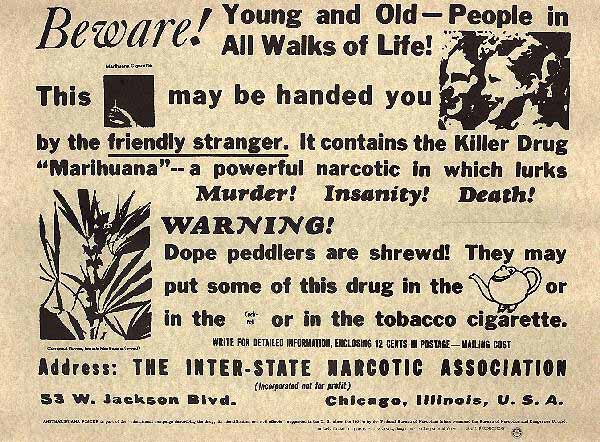
Many older adults don’t realize how much stronger cannabis products have become. In the 1970s, marijuana typically contained 1 to 4% THC. Today, the tops of the plant contain percentages much higher, sometimes up to 20% or more. This means that a few puffs now can have a much more intense effect than an entire joint from back then.

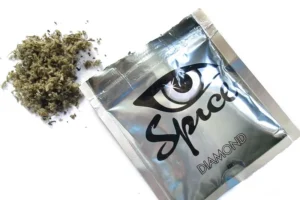
Other products, such as concentrates, oils, and edible forms of cannabis, can contain extremely high THC content. Synthetic cannabis, often known by names like ‘spice’ or ‘K2,’ mimics THC’s effects and can be even more potent. These manufactured substances are illegal and are associated with serious heart problems.
“We don’t yet fully understand what such a dramatic increase in the psychoactive component does to the aging brain and body,” says Claudia Padula, PhD, associate professor of psychiatry.
Due to the unexpected potency of cannabis, poisoning cases among older adults are also increasing. A Canadian study showed that emergency room visits nearly tripled in people 65 and older after legalization.
“There are so many variants and potencies,” Das says. “This is really not the marijuana from the hippie era anymore.”
Health risks include heart and memory problems
While we don’t know everything yet, there is growing evidence that cannabis affects the heart and blood vessels. This is an important point of concern for people over 65, says Joseph Wu, MD, PhD, cardiologist. Heart disease is, after all, the leading cause of death in this age group.
Wu and his team showed that THC can cause inflammation in blood vessels. Additionally, studies in humans show that regular use is associated with a higher risk of heart attack or stroke.
These risks are lower than those of smoking tobacco or excessive alcohol use. However, many cannabis users combine substances (such as a joint with tobacco). This combined use appears to further increase the risk of heart problems. Smoking cannabis is also associated with an increased risk of lung cancer.
Smoking and vaping cause more irritation than oral ingestion, according to Wu. Edible products are certainly not risk-free either.
“There is no safe amount of cannabis,” he says. “Even low doses and occasional use are associated with blood vessel inflammation. For heart health, not using remains the safest choice.”
In addition to heart condition, Theisen also watches out for fall risk. Older adults are often already less stable; if dizziness or confusion from cannabis is added to that, an accident happens quickly. Also, metabolism works more slowly, so substances remain in the body longer. This increases the chance of interaction with other medications, such as blood thinners.
The idea that it’s not addictive is incorrect
A persistent misconception is that you can’t become addicted to marijuana. According to Das, about 30% of regular users develop a substance use disorder. You recognize this if, for example, you experience withdrawal symptoms when you stop, need more and more, or if use gets in the way of your daily life.
Although addiction to cannabis is less common than addiction to alcohol, problems in older adults are often missed because doctors don’t routinely ask about it.
“Many older adults only report their use if explicitly asked,” Das says. “Sometimes I only find out when someone comes to me for depression or sleep problems.”
Do you find it hard to cut back? Talk to your doctor. Good treatments are available, just as with alcohol or tobacco.
Research is limited, but cannabis can provide relief for some conditions
While young people often smoke out of boredom, older adults use it more functionally: for pain, insomnia, or chronic conditions. In the Netherlands, medicinal cannabis is available through pharmacies, which guarantees consistent quality. However, many people get their supplies (such as CBD oil or marijuana) from drugstores or coffee shops.
There are a few official medications based on cannabis. CBD, for example, is approved for certain forms of epilepsy. There are also medications used for nausea from chemotherapy or HIV.
There is evidence that cannabis helps with muscle spasms in multiple sclerosis. CBD is widely sold as a supplement, but the evidence for effectiveness for conditions other than epilepsy is limited.
Research on chronic pain shows mixed results. One analysis pointed to pain reduction, but also to a strong placebo effect. Many psychiatric associations recommend against using cannabis as a psychiatric medication.
In palliative care, however, Theisen sees positive effects. Patients use it to reduce side effects of cancer treatments or to avoid heavy pain relievers (opioids). Studies show that some patients use less of these heavy medications as a result. Additionally, some patients feel mentally better from it.
“In very low doses, THC can work therapeutically,” Theisen says. “For people who don’t have long to live, that bit of comfort and enjoyment can be very valuable.”
The most important advice: be open with your doctor
Whether you’ve been using for years or are considering it for pain: discuss it with your doctor. Theisen would rather her patients consult honestly than self-medicate based on internet advice or guidance from the coffee shop employee.
The biological eye-opener
What is often underestimated is that after age 65, your body reacts differently than when you were young. Your liver and kidneys work more slowly, your body fat percentage changes, and your organs respond differently. As a result, active substances remain active longer and effects can be stronger. What biologically seems like a small dose can now cause confusion or heart palpitations. The biggest misconception is in your body’s ‘memory.’ THC binds to fat. As you age, the composition of your body changes: you often have more fat and less fluid than before. This means cannabis stays in your system much longer. Combine this with a liver and kidneys that work more slowly, and you get a stacking effect. A dose you take today can add up to yesterday’s. This can cause you to react unexpectedly strongly to an amount that previously seemed no problem. Biologically speaking, you are a completely different person than twenty years ago.
Verified Sources
- https://www.apotheek.nl/medicijnen/cannabis – Official information on medications, applications, and effects.
- https://huisarts.bsl.nl/medicinale-cannabis-voorschrijven/ – Practical information for the physician.
- https://www.mednet.nl/congres-nieuws/cannabisgebruik-verhoogt-het-risico-op-een-myocardinfarct/ – Dutch reporting on heart risks.
- https://jamanetwork.com/journals/jamanetworkopen/fullarticle/2833976 – Scientific review on use in older adults.
- https://pmc.ncbi.nlm.nih.gov/articles/PMC12309070/ – Background on cannabis and aging.
- With thanks to SciTechDaily
Related Articles


Frequently Asked Questions
Is cannabis safe for older adults?
Safety depends on how much you use, how you take it, and your health. Low doses that you increase slowly and medical supervision make it safer. Do you have heart problems or mental health issues? Then be extra cautious.
What heart risks do I face after age 65?
Research links cannabis use to more heart incidents (such as a heart attack). If you already have heart disease or risk factors, you’re in the vulnerable group. Always discuss use with your doctor.
Can cannabis help with pain and sleep in seniors?
Many older adults experience relief, but it doesn’t work for everyone. Always start with a very low dose, see what it does, and weigh the benefits against side effects like dizziness or drowsiness.
What’s the difference between THC and CBD?
THC is the substance that gets you stoned; it also works against pain and nausea. CBD doesn’t get you stoned and may help with anxiety and inflammation. Many seniors start with CBD or a product with low THC to stay clear-headed.
Can cannabis be taken with my other medications?
It can affect each other (for example, with blood thinners, sedatives, or anti-seizure medications). Have your doctor or pharmacist check your medication list and adjust dosing to limit risks.