What is the Drama Triangle?
The drama triangle is a destructive pattern of interaction dynamics and relationship patterns that are often used unconsciously. The model was developed by psychiatrist Stephen Karpman in 1968. Later, a constructive, positive counterpart was added: the winners triangle, developed by Acey Choy and others in 1990.
These models are widely used in communication, coaching, therapy, and conflict mediation. They provide insight and help break stubborn patterns.
The 3 Roles Within the Drama Triangle
🟥 1. The Persecutor
The persecutor has an attitude of bitterness and blame. The persecutor places responsibility on others and focuses their attention primarily on the other person.
Key words:
-
Arrogant
-
Accusatory
-
Irritating
Example sentences:
-
“You never understand either, do you?”
-
“Always the same old story with you.”
-
“They’re just doing whatever up there.”
-
“That was obviously to be expected.”
-
“He should have just done his job.”
-
“How hard can it be?”
🟥 2. The Rescuer
The rescuer wants to help and gets satisfaction from it. This makes the victim dependent on the rescuer. The rescuer works hard. As a result, there is no balance in the relationship.
Key words:
-
Arrogant
-
Accusatory
-
Pitying
-
Unsolicited help
Example sentences:
-
“Let me just do it, you’re busy enough already.”
-
“You really need to learn to say no.”
-
“Didn’t I warn you?”
-
“Should I go talk to him for you?”
-
“If I wasn’t here, things would fall apart.”
-
“You don’t have to do it alone, I’ll handle it.”
🟥 3. The Victim
The victim feels helpless and doesn’t think in terms of possibilities. They appeal to others for help and assume those others can solve their problem.
Key words:
-
Irritating
-
Accusatory
-
Pitying
-
Dependent behavior
Example sentences:
-
“Why does this always happen to me?”
-
“I can’t do anything about it.”
-
“Nobody listens anyway.”
-
“I feel so alone in this team.”
-
“They expect way too much from me.”
-
“I’m only human, right?”
🟥 The Bystander
The bystander (unconsciously) ensures that the role of rescuer, victim, and persecutor is taken on by others. The bystander watches and shows their opinion non-verbally. The bystander takes no responsibility.
🧍♂️ The Role of the Bystander
What does the bystander do?
The bystander is physically or emotionally present but takes no active position. They:
-
observe what is happening,
-
show (often non-verbally) what they think or feel,
-
do not intervene and take no responsibility.
Characteristics:
-
Passive or waiting
-
Can come across as sympathetic, critical, or compliant
-
Maintains the pattern by not intervening
Example behavior:
-
Looking away when conflict arises
-
Subtle eye-rolling or sighing
-
Later saying: “I saw it coming…” or “I’m not getting involved.”
🌀 The Influence of the Bystander
Although the bystander doesn’t ‘do’ anything, their presence and detachment actually ensure that:
-
the others remain in their roles (rescuer, persecutor, victim),
-
there is no breakthrough toward adult, equal communication,
-
insecurity or confusion can increase in a group.
🌱 From Bystander to Engaged Participant
When a bystander becomes aware of their role, freedom of choice emerges:
👉 Do I keep watching, or do I make a connection and speak up?
A former bystander can then:
-
gently name what they see happening (“I notice we’re getting stuck in blame.”),
-
invite responsibility (“What would you each like to contribute?”),
-
set boundaries (“I don’t want to silently watch anymore.”).
🟩 Winners Triangle
Example sentences per role
✅ Persecutor Becomes Assertive
-
“I’d like to discuss this because it matters to me.”
-
“My boundary is here.”
-
“I’d like us to make clear agreements.”
-
“I hear what you’re saying, and I see it differently.”
-
“I take responsibility for my part.”
✅ Rescuer Becomes Supporter (Without Taking Over)
-
“How can I support you so you can move forward?”
-
“What do you need from me right now?”
-
“I trust you’ll handle this, and I’m available if you want help.”
-
“I’m happy to listen if you want to talk about it.”
-
“I see this is difficult for you – I’m here.”
✅ Victim Becomes Responsible (And Vulnerable)
-
“I notice I’m feeling insecure about this.”
-
“I find this scary to say, but it’s important to me.”
-
“I feel touched by how this is going.”
-
“I’m not sure what I need right now, but I’m not comfortable.”
-
“I want to be open, even though I don’t know how you’ll react.”
Explanation Per Model
🎭 Drama Triangle (Karpman, 1968)
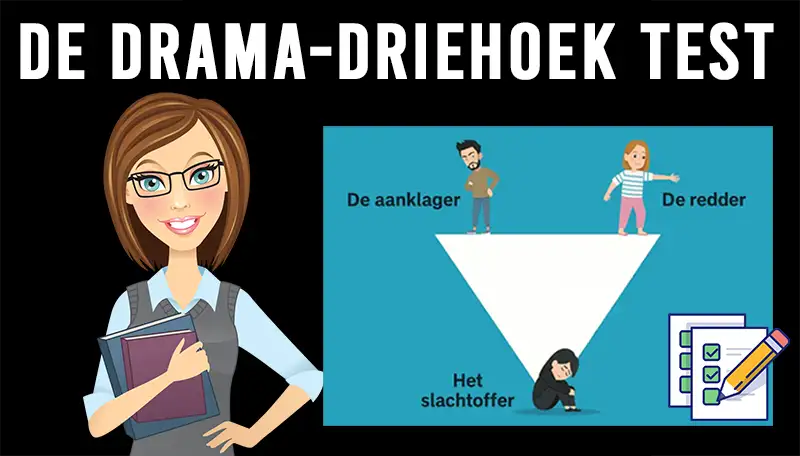
A destructive communication pattern in which people (often unconsciously) take on one or more roles:
-
Victim – feels powerless, seeks help or sympathy.
-
Rescuer – helps unsolicited, derives self-worth from it, but confirms the other’s helplessness.
-
Persecutor – points the finger, is critical or condemning.
🔁 People can switch between these roles within a single interaction. It maintains the conflict or problem rather than solving it.
🟩 Winners Triangle (Choy, 1990)
A constructive counterpart in which the three destructive roles are transformed:
-
Victim → Responsible
→ shows vulnerability, acknowledges needs and feelings without making themselves powerless. -
Rescuer → Supporter
→ offers help only when asked, respects the other’s autonomy. -
Persecutor → Assertive
→ communicates boundaries, wishes, and disagreements without blame.
Purpose of These Models:
-
Create awareness of destructive communication patterns
-
Break patterns and replace them with effective and equal interactions
-
Promote self-reflection and personal growth in relationships or teams
Take the drama triangle test here
Gerelateerde artikelen


Frequently Asked Questions
What is the drama triangle?
The drama triangle is a model that shows how people get caught in destructive communication patterns, often through three roles: persecutor, rescuer, and victim.
Who developed the drama triangle?
The drama triangle was developed in 1968 by psychiatrist Stephen Karpman.
What is the winners triangle?
The winners triangle is a positive alternative to the drama triangle in which people take responsibility, set boundaries, and offer help without taking over.
How do I recognize that I’m in the drama triangle?
If you often see yourself or others responding with blame, victim behavior, or unsolicited help, there’s a good chance you’re in a drama triangle dynamic.
How do I get out of the drama triangle?
By consciously changing your role: from victim to responsible, from rescuer to supporter, from persecutor to assertive. The winners triangle provides tools for this.