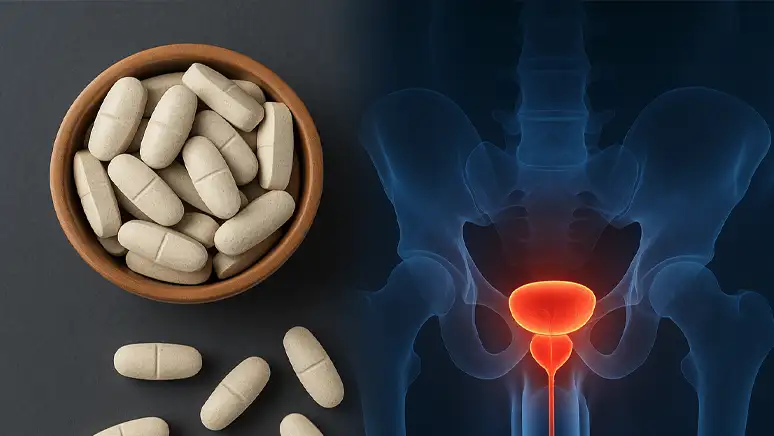

The interplay between nutrition and bodily processes remains an endlessly fascinating area of research — especially when it comes to essential minerals like zinc. Many men only think about their prostate health when symptoms appear, while preventive insight could actually make all the difference.
This article focuses on the remarkable relationship between zinc and the prostate. It’s a connection that is rarely emphasized in standard health information, but can certainly be meaningful. For example, in the book Soil, Grass and Cancer, this connection receives extensive attention, with an entire chapter devoted to this intriguing subject.
The Prostate: Small Gland, Big Importance
The prostate is a relatively small gland, but its function is far from insignificant. It sits directly below the bladder and surrounds the urethra — a strategic position within the male body. The gland plays a key role in reproduction: it produces a fluid that is essential for the composition of semen.
As men age, prostate enlargement is a common phenomenon: nearly half of all men over sixty experience it. This benign enlargement (BPH) is natural in itself, but can lead to a range of discomforts — such as difficulty urinating, reduced libido, or even kidney problems in cases of severe obstruction.
Location and Function of the Prostate
The prostate is located in the pelvis, just behind the pubic bone and directly below the bladder. Because the urethra runs through it, abnormalities of the prostate often have direct consequences for the urinary system. On the back side, it borders the rectum, which also explains why some medical examinations are performed via that route.
In terms of structure, the prostate consists largely of glandular tissue (approximately 70%), supplemented with muscle tissue (30%). Its functions are clear and functionally distinct:
- The production of prostatic fluid, which supports the motility and survival of sperm cells
- Contraction during ejaculation, which actively propels the semen through the urethra
It sounds like a modest mechanism — but its impact on fertility and well-being cannot be underestimated.
Your Semen Is More Than Just Sperm Cells
The production of sperm cells is a lengthy process that takes approximately 60 to 70 days and occurs in the testicles. After this maturation period, the cells move to the area around the prostate, where they are mixed with fluids from the prostate itself and from other glands such as the seminal vesicles. This creates semen: a complex mixture that is more than just sperm cells.
In addition to genetic material, semen also contains nutrients such as fructose and enzymes, which support the motility and vitality of sperm cells. A fragile but intelligently designed transport vehicle, aimed at reproduction.
Zinc As The Unexpected Protector of the Prostate
A lesser-known, but striking biological detail is that the prostate naturally contains one of the highest concentrations of zinc in the body — many times higher than in the blood or other tissues. The fact that zinc is so concentrated here suggests a specific function within this organ.
What stands out is that a routine blood test may not provide an accurate picture of the actual zinc status in the prostate. That’s precisely what makes this relationship so intriguing — it escapes standard measurement, but not biological importance.
The Zinc-Prostate Health Connection
These findings show a clear correlation, but that doesn’t automatically mean that a zinc deficiency is the cause of these conditions. It remains a game of correlations — and that’s precisely what makes further research so relevant.
Zinc As A Natural DHT Regulator
Another remarkable aspect of zinc is its influence on the enzyme 5-alpha-reductase. This enzyme converts testosterone into DHT (dihydrotestosterone), a more potent variant that is linked to both prostate enlargement and male baldness. Pharmaceutical treatments often focus on inhibiting this enzyme.
Zinc appears to play a subtle, natural role in this. Adequate zinc supports the balance in testosterone conversion, without drastically suppressing it. A possible natural equilibrium point in a system that is sensitive to disruption.
The Testosterone-Zinc Balance
In addition to its role in prostate tissue, zinc is also inextricably linked to the regulation of testosterone. The mineral supports both the production and maintenance of healthy testosterone levels — with noticeable effects on libido, fertility, and the overall energy level of men. A subtle nutrient, with far-reaching effects on hormonal balance.
Factors That Affect Zinc Status
Various circumstances can throw the zinc balance in the body out of equilibrium:
- Eating patterns: With low intake of zinc-rich foods, a deficiency can develop. Although unprocessed red meat is often controversial due to other health risks, it remains a particularly efficient source of easily absorbable zinc. Oysters take the crown.
- Phytic acid: In grains, nuts, and legumes, phytic acid is present — a substance that binds minerals like zinc and hinders absorption. This is especially challenging in diets that contain few animal products.
- Stomach acid: For effective absorption, adequate stomach acid is necessary. As people age — or with the use of acid reducers — this natural acid level can decline, limiting zinc intake.
- Medication use: Certain medications, including diuretics and cholesterol-lowering drugs, have a demonstrable impact on zinc balance.
- Alcohol consumption: Excessive alcohol use increases zinc excretion through urine, which can lead to deficiencies over time.
- Sugar and insulin resistance: Increased sugar intake and disruptions in insulin metabolism can also have negative effects on zinc status.
Zinc for Broader Health Benefits
Zinc is not limited to one function. In recent years, scientific attention to the immune-boosting properties of this mineral has increased significantly. For example, zinc appears to influence the function of T-cells — an essential part of the immune system. Additionally, it acts as an antioxidant and helps neutralize free radicals.
Perhaps that’s precisely why it fascinates us so: a mineral that both provides protection at the cellular level and contributes to hormonal stability.
- Oysters: The richest natural source of zinc
- Other shellfish: Such as crab and lobster
- Red meat: Particularly unprocessed beef
- Poultry: Such as chicken and turkey
- Nuts and seeds: Especially pumpkin seeds and sesame seeds
- Legumes: Think lentils and chickpeas — though biological availability is lower here
The challenge lies not only in what we eat, but also in how well our body can absorb it.
Disclaimer: Zinc supplements can prevent prostate problems, but cannot solve them. Once the prostate is in trouble, it loses its ability to store zinc. Then expert medical advice is required; don’t delay seeing your doctor.
Verified Sources
- Zinc and Prostate Health: Research on the role of zinc in prostate health.
Related Articles





Frequently Asked Questions
Why does the prostate need so much zinc?
The prostate naturally contains a high concentration of zinc, presumably to support its functions in fertility and cell division. Zinc also plays a role in protecting against oxidative damage.
Can you measure your zinc status with a blood test?
Blood tests can indicate general zinc status, but don’t always reflect zinc levels in specific organs like the prostate.
Which foods contain the most zinc?
Can a zinc deficiency cause prostate problems?
Links have been found between low zinc levels and prostate problems, but a direct causal relationship has not yet been conclusively established.
Is it wise to just take zinc supplements?
Supplements can be useful when a deficiency is confirmed, but overdosing is possible and harmful. It’s advisable to discuss this with an expert.