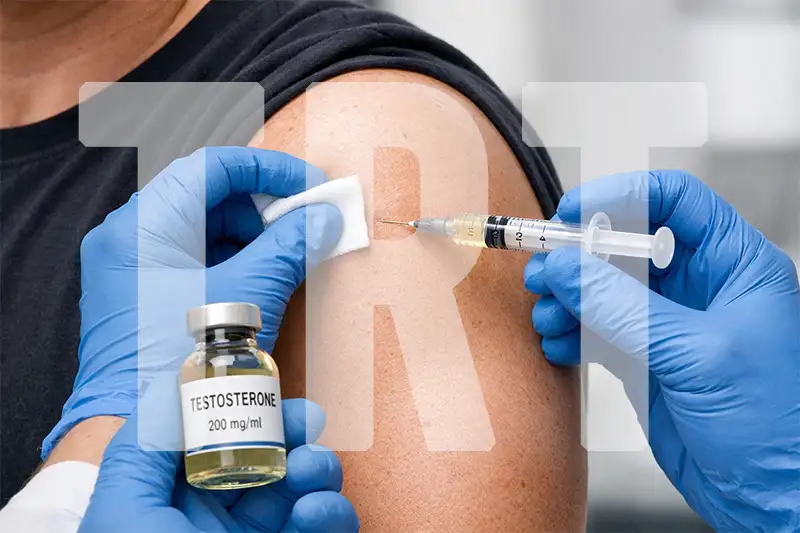
We’re setting aside the debate over ‘good’ or ‘bad’ and looking at the physiological facts. TRT is a medical intervention for a diagnosed deficiency, not a lifestyle tool for eternal youth. If you stay within the natural range, the risks—as shown by TRAVERSE data—are manageable. However, the moment you cross the line into optimization, you leave the realm of medical safety and enter an experiment with your own blood vessels and fertility.
Confusion still surrounds testosterone therapy in men due to conflicting narratives. The reality actually lies somewhere between unnecessary panic and blind enthusiasm.
Choosing TRT requires a clear-headed look at your own physiology and the scientific facts. This way, you make a decision that truly aligns with your health and long-term goals.
The 5 Key Takeaways
- Medical replacement within the natural range differs fundamentally from stacking anabolic steroids.
- New insights from major research have led to sharper warnings about blood pressure.
- Strict indication criteria and monitoring determine whether treatment truly remains safe.
- The impact on fertility is often significant and sometimes even irreversible.
- Stability of your hormone levels is closely tied to the chosen delivery method.
Safe use of TRT and medical diagnosis
Medical guidelines describe testosterone therapy as treatment for hypogonadism. This is a condition in which the body produces insufficient hormones on its own, confirmed through repeated blood tests.
Monitoring blood pressure and red blood cell percentage is necessary. Once you increase the dose above natural values, you leave the safe territory of documented medicine. Your body may respond very differently to the increased load.
Side effects and warning signs
Common issues are acne, fluid retention, and an increase in hematocrit. A full overview of side effects of testosterone therapy in men helps you prepare properly.
Serious symptoms such as chest pain or shortness of breath require immediate action. While these are rare with correct dosing, underlying risk factors can change the situation. Good follow-up by a physician remains crucial.
Pros and cons of TRT
Pros
- Restored energy and muscle mass in cases of actual deficiency
- Stable hormone levels without natural daily fluctuations
- Maintained strong bones and protection against bone loss
- Easy adjustments under professional medical supervision
Cons
- Increased risk of thick blood and thrombosis
- Lasting suppression of your body’s own hormone production
- Significant decrease in fertility due to halted sperm production
- Uncertainty about long-term effects of consistently high-normal values
Heart health and scientific evidence
The TRAVERSE study showed that men with hypogonadism face no directly increased risk of heart attacks. However, blood pressure did rise in this group, leading to updated warnings on the package insert for testosterone products.
These results only apply to use under strict medical supervision. For men who independently maximize their levels, solid research on TRT and long-term heart problems is completely absent. The extra strain on the heart from thicker blood is a factor you must take seriously.
Implications for fertility and family planning
Adding testosterone from outside essentially shuts down the body’s own regulation of sperm cell production. According to EAU guidelines, sperm production can drop significantly or stop entirely within months of starting. This risk of infertility is unfortunately permanent for some.
Alternatives like hCG may offer a solution if you want to support natural production. However, recovery after years of use remains unpredictable and sometimes very difficult. Sperm preservation beforehand is a realistic step for those with active family plans.
Glossary
- Hypogonadism: A testosterone deficiency caused by impaired production in the testes or regulation from the brain.
- Hematocrit: The ratio of red blood cells in the blood, which at elevated levels increases blood viscosity.
- Polycythemia: An excess of red blood cells, a known side effect of hormone replacement.
- PSA: A protein value in the blood that serves as a measure of prostate health.
Difference between recovery and stacking
A therapeutic dose restores balance to what is biologically normal for a man. However, when you consistently push the upper limit, you significantly change the physiological load on your organs. The gain in muscle mass often comes hand in hand with higher blood pressure.
Combining different substances, also called stacking, increases the risk of damage to the liver and kidneys. TRT by prescription serves as protection against such uncontrolled experiments. Medical oversight ensures you don’t inadvertently overload your own system.
The biological eye-opener
The biological core of TRT is not simply ‘adding’ a hormone, but taking control of the hormonal axis. Once testosterone enters the bloodstream from outside, the pituitary gland immediately stops directing its own production. This mechanism affects not only hormone levels but changes blood thickness through stimulation of red blood cells. It’s essentially a trade-off between hormonal stability and your blood viscosity.
Conclusion
Testosterone therapy in men is a powerful tool that offers significant benefits when a true deficiency is properly diagnosed. Safety hinges on the discipline to stay within natural limits and undergo regular testing.
Those who choose medical supervision minimize the chance of unforeseen complications affecting the heart and blood vessels. Ultimately, the balance between medical necessity and prudent monitoring determines whether this treatment remains successful long term.
Verified Sources
- New England Journal of Medicine: TRAVERSE trial on cardiovascular safety of testosterone therapy.
- U.S. FDA: Class-wide labeling changes for testosterone products following new blood pressure data.
- American Association of Clinical Endocrinologists: Guidelines for diagnosis and treatment of hypogonadism.
- Pharmacy resources: Information on testosterone function and side effects as medication.
- EAU Guidelines: Guidelines on sexual and reproductive health and impact on fertility.
Related Articles

Frequently Asked Questions
Is TRT safe if your testosterone is too low?
With a medically confirmed deficiency, TRT is typically safe under expert supervision. The goal is restoring healthy levels, provided regular blood and prostate testing occurs.
What side effects commonly occur with testosterone therapy?
Fluid retention, acne, and increased red blood cell count are known effects. Mood swings can also occur, often signaling that dosage or timing needs adjustment.
Does TRT increase the risk of heart problems?
Major studies show no directly increased risk of heart attacks in men with actual deficiency. Blood pressure may rise slightly, requiring extra attention and physician monitoring in those with vulnerable hearts.
Can I still have children after TRT?
The therapy often completely suppresses your own sperm production, leading to infertility. Recovery after stopping is possible but sometimes takes a very long time with no guarantees.
What’s the difference between gel and injection?
Gel is applied daily for consistent release, while injections often provide greater stability over several weeks. The choice depends on your personal preference and how your body responds to level fluctuations.