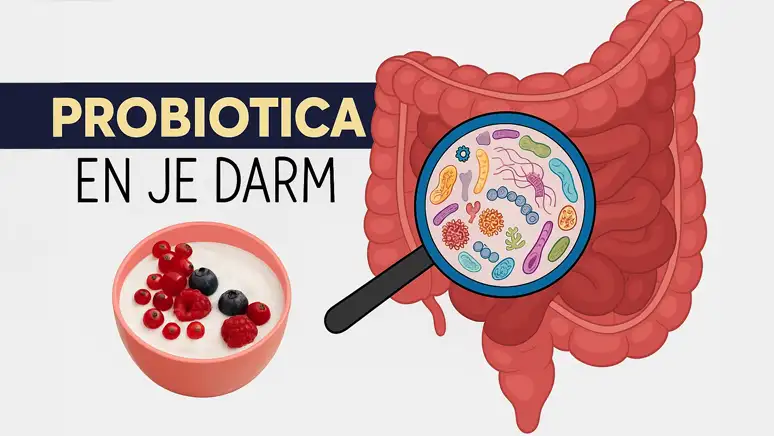
Probiotics form an important part of your body’s internal ecosystem. They support the balance of your microbiome and can contribute to a stronger immune system and help regulate inflammation. A healthy body often begins with balance at the microscopic level.
This article is a simplified and shortened version (600 words) of the original article: How Probiotics Can Improve Your Gut Health in Just 14 Days (2200 words) and takes a thorough dive into the subject of probiotics. Editorial Liberteque.com
Probiotics, What Are They Exactly?
These are live bacteria and/or yeasts that naturally occur in the human body. Your body always contains a mix of beneficial and less favorable bacteria. When that balance is disrupted — for example, during illness — harmful bacteria can take over. Probiotics help restore that balance by stimulating the growth of beneficial bacteria. Probiotics don’t add anything that shouldn’t be there, but help remind your body what it already knows.
Where Do These Beneficial Microorganisms Come From?
They naturally occur in foods like yogurt and other fermented products. Well-known bacterial strains such as Lactobacillus and Bifidobacterium, and the yeast Saccharomyces boulardii, can be found in various parts of the body, including the intestines. Food is not just fuel, but also a way to nourish your inner balance.
But How Exactly Do Probiotics Work?
They are part of the larger whole that forms the microbiome — a diverse community of microorganisms that live in and on the body. This microbiome is comparable to a complex ecosystem where harmony is essential for health. It consists of, among other things:
- Bacteria
- Fungi (including yeasts)
- Viruses
- Protozoa
Everyone has a unique microbiome. Even people with identical DNA, such as twins, have different compositions of microbes. For a microbe to be considered a probiotic, it must, among other things, originate from a human source, survive the journey through the digestive tract, provide demonstrable benefits, and be safe for consumption.
Where in the Body Do We Find These Microbes?
Although most people are familiar with the effects of probiotics on the intestines, these microorganisms also occur in other places in and on the body. Think of areas that are in direct contact with the outside world, such as:
- Intestines
- Mouth
- Vagina
- Urinary tract
- Skin
- Lungs
Health is a collaboration between inside and outside. Probiotics contribute to a stable internal environment in which the body can heal itself when it becomes imbalanced.
But That’s Not All.
These microorganisms also help support the immune system and limit inflammation. Additionally, they can contribute to food digestion, neutralizing unwanted bacteria, the production of vitamins, protecting intestinal cells from harmful influences, and processing medications. Mindful eating and consciously choosing foods that support your gut flora can contribute to these processes.
This Balancing Happens Continuously and Automatically
The beauty of the body is that it performs these processes largely independently. You don’t need to take supplements to stay healthy. However, a high-fiber diet — for example, with vegetables, legumes, and whole grains — helps support the natural balance. Fiber serves as food for beneficial bacteria, allowing them to multiply.
There are many types of bacteria that can be considered probiotics, but in practice, two groups are particularly widely used:
- Lactobacillus
- Bifidobacterium
Yeasts also play a role in this. The most common type of yeast used as a probiotic is Saccharomyces boulardii.
When you’re considering using probiotic supplements, preferably choose products that are approved by independent agencies such as the FDA. Pay attention to the specification of bacterial strains and the stated amounts. Quality is more important than quantity when it comes to supplements.