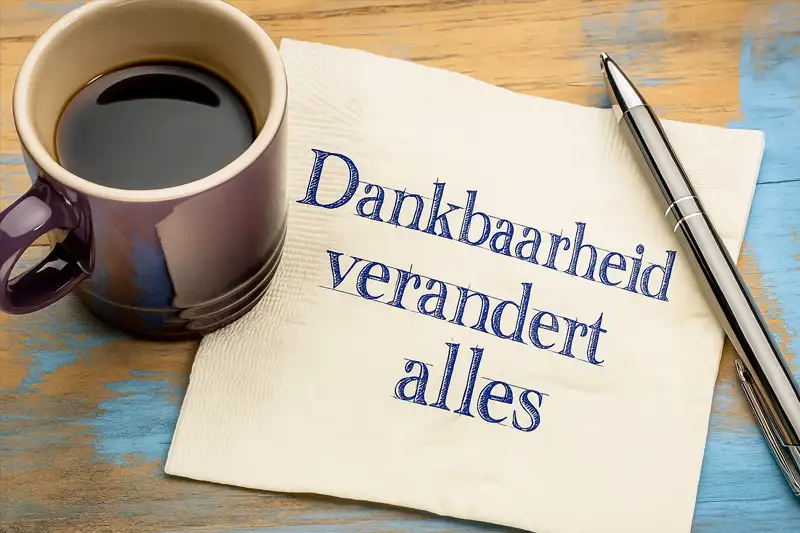
It’s often the small, seemingly insignificant moments that quietly hold relationships together. Your partner makes coffee without you asking. A friend checks in on how your day went. Your brother or sister sends a meme that hits just right. These gestures aren’t grand, but they carry weight. They say: I see you — and that matters.
When we stop appreciating, connection fades slowly. But when gratitude becomes a habit, something shifts. The tone softens, the bond deepens, the relationship becomes more resilient. No grand gesture is needed — only genuine recognition of what’s good, again and again.
In this article, you’ll find nine simple and relatable ways to practice gratitude — ways that can help restore trust, deepen connection, and bring something alive back into your relationship, even in the smallest moments.
The 5 Key Takeaways
- Gratitude in relationships isn’t about words — it’s about seeing and acknowledging what actually is.
- Small, spontaneous expressions of appreciation have more impact than planned, grand gestures.
- Emotional safety often grows from repeated confirmation that you matter.
- Invisible effort is often overlooked, but that’s exactly what deserves recognition.
- Gratitude brings relationships back to life, even when they’ve gotten a bit stuck.

The Quiet Power of Gratitude in Your Relationship
Gratitude isn’t just politeness. It’s a form of emotional intelligence. When someone regularly expresses appreciation, they create an atmosphere where trust grows, conflicts soften faster, and connection can settle in deeper. It’s not grand words that do this — but small moments of recognition, over and over.
What Gratitude Actually Does in a Relationship
Research shows that couples who regularly express gratitude feel more connected and are more often satisfied with their relationship — even physically. It’s not about grandness, but about attentiveness: seeing what’s happening, acknowledging what it means, and not taking it for granted.
| Effect of Gratitude | What It Means in Your Relationship |
|---|---|
| Stimulates oxytocin | The ‘bonding hormone’ strengthens trust and promotes emotional intimacy. |
| Increases emotional resilience | Helps partners handle stress and conflict with more calm and compassion. |
| Shows recognition | Makes clear that the other person is seen, reducing feelings of being taken for granted. |
| Anchors positive memories | Reinforces again and again why you value and care about each other. |
| Encourages reciprocity | When people feel appreciated, they’re more likely to give appreciation back. |
Think of gratitude as a quiet energy source. Unobtrusive, but essential in the long run.
How to Give Gratitude a Natural Place in Your Relationship
Gratitude shouldn’t feel like an obligation. The moment it feels like a checkbox or a trick from a self-help book, it loses its power. People can tell immediately when you say something out of habit instead of genuine attention.
What works is being specific. Not “thanks for everything,” but “I really appreciated that you folded the laundry even though you were tired.” That kind of recognition lands — it shows you’re truly being seen.
Timing matters too. Don’t wait for holidays or reconciliation moments. Say it when it happens, while it’s still fresh.
And remember: gratitude speaks many languages. For some people, words matter. For others, it’s actions, small gestures, or simply genuine presence. Find what fits the other person, and speak that language.
Real gratitude doesn’t just hang in the air — it heals, deepens, and connects.
What you think, you become. What you feel, you attract. What you imagine, you create. ~ Buddha
9 Simple Gratitude Practices for Deeper Relationships
Gratitude doesn’t have to be complicated. It’s the smallest gestures, repeated regularly, that shift the tone of a relationship. Below you’ll find nine ways to start today.
You don’t have to do them all at once. Pick one that resonates with you, and let it grow. They work in romantic relationships, friendships, and families — anywhere connection matters.
#1 Say It in the Moment
Gratitude becomes more powerful when you don’t save it for birthdays or difficult conversations. The moment itself is where recognition lands most deeply. If your partner makes you coffee, a friend listens without judgment, or someone sends you a quick message — that’s your moment.
A quick “thank you,” with a brief explanation like “I really needed this today,” makes clear that it touched you. It shows you’re present, and that their gesture matters. The more often you do this, the more connected you’ll feel together.
#2 Keep a Shared Gratitude Journal
A shared journal is an easy way to stay emotionally connected. It could be a notebook on your nightstand, a shared note on your phone, or a chat where you take turns adding something. Each day or week, jot down something small you’re grateful for — something about the other person or your shared life.
It takes almost no time, but over time, a mosaic of kindness, effort, and love forms. And when tension arises (because it will), this archive of appreciation helps redirect your focus to what’s strong, instead of what’s strained.
#3 Appreciate the Invisible Work
Planning meals, remembering birthdays, checking in after a tough day — these are all forms of emotional and organizational effort that often go unnoticed. Precisely because they seem so routine, they’re rarely mentioned.
But they matter. And acknowledging them does too.
A simple phrase like “I see how much you do behind the scenes, and I genuinely appreciate it” can land deeply. For people who rarely get recognition for their quiet effort, a moment like that feels like breathing room. It’s more than gratitude — it’s validation. A quiet confirmation: I see you, and I don’t take you for granted.
#4 Write a Thank-You Letter — and Read It Aloud
A thank-you letter doesn’t have to be literary. What matters is honesty. Write a letter to someone who’s meant something to you. Name the small things. How that person shaped you. What you’ve always appreciated but never said. Then — read it aloud.
Yes, even if it feels awkward. Especially then.
It’s a rare kind of moment: vulnerable, personal, real. Gratitude spoken aloud touches deeper than any message ever could. It’s a gift people often carry with them for years.
#5 Express Your Gratitude During Meals or Before Bed
When life is busy, one simple question can create a moment of connection. Try slipping one of these into your routine occasionally:
- “What made you feel appreciated today?”
- “Who did something small that touched you?”
- “What made you laugh unexpectedly today?”
#6 Make Your Gifts About Appreciation
Holidays, birthdays, or anniversaries are more than a card or present. They’re opportunities to say what often goes unsaid. Not: what should I buy? But: what have I never said?
What do you admire about that person? What touched you this past year? What qualities have quietly grown?
A few genuine words can sometimes mean more than anything wrapped in paper. By making gratitude the center of celebrations, you give the day meaning. Not as an obligation, but as a reminder of what binds you.
#7 Public Praise Versus Quiet Appreciation
Gratitude lands differently depending on where and how you express it. Some moments call for a quiet word in private. Others flourish when shared publicly — visible, and perhaps all the more powerful for it.
| Quiet Appreciation | Public Praise |
|---|---|
| “I thought the way you handled that today was really beautiful.” | “I want to mention how thoughtful you were today.” |
| A quiet hug or a handwritten note | A social media post, a toast, or a group mention |
| Safe, intimate, emotionally anchoring | Confidence-building, affirming, visible to others |
Use both intentionally. Quiet gratitude creates depth. Public praise builds confidence and visibility. Together, they show that someone is valued — not just in your world, but in the world beyond.
#8 Look Back Together on the Difficult Times
Gratitude isn’t just for the lightest days. In fact, looking back on what was hard, it takes on deeper meaning. The fights, the doubt, the chaos: if you can see in them how you kept standing, the story you share changes.
Maybe one of you held it all together. Or you both stumbled, but kept coming back to each other. Revisiting those moments with compassion changes the memory itself. Then it’s not about struggle anymore, but about strength, loyalty, and resilient love.
#9 Practice Daily “Micro-Gratitude”
Grand gestures are beautiful, but it’s the small repetition that sustains a relationship. A glance. A softly spoken “I see you.” A subtle gesture that catches just enough attention to feel: you’re here, and I notice.
Micro-gratitude isn’t drama — it’s intention. Conscious presence in the smallest things. You thank someone for who they are and what they contribute, often without them even realizing it. Over time, those brief moments of recognition create something warm, something solid. They remind you that love often hides in what goes unnoticed.
Start Small. Stay Real.
Gratitude doesn’t have to be grand. It has to be genuine. One “thank you” at the right moment can shift the tone of a relationship. Don’t wait for the right time. Don’t wait for it to be perfect. Just start, and say what’s true.
Whether it’s your partner, your best friend, or that sibling who never texts but is always there — let them know they matter. Gratitude isn’t about effort. It’s about attention. About simplicity. About being human.
And if you’ve read this far, you’ve already started. And that, in itself, is everything.
Gerelateerde artikelen




Frequently Asked Questions
What is gratitude?
Gratitude is consciously recognizing what’s valuable, helpful, or meaningful — in yourself, in others, or in what life offers. It’s an inner stance of seeing what is there, even when not everything is perfect.
What is the power of gratitude?
The power of gratitude lies in its ability to restore and deepen connection. It increases resilience, reduces distance, and invites reciprocity in relationships.
What do you mean by gratitude?
By gratitude, we don’t mean a polite formula, but a genuine, felt recognition of something or someone. It’s about being present with what’s good — however small — and not taking it for granted.
What is the deeper meaning of gratitude?
On a deeper level, gratitude means opening yourself to connection. It’s the ability to be moved — by care, by attention, by what remains when words fail.
What is the symbol of gratitude?
There’s no universal symbol, but many associate gratitude with an open hand, a heart, or a sunflower — all symbols of openness and appreciation.
How do you show gratitude?
You show gratitude through presence, recognition, and small gestures. Not necessarily with grand words, but with attentive actions, listening, and noticing what might otherwise go unsaid.