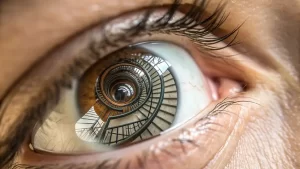
We often find ourselves on an emotional rollercoaster by constantly comparing ourselves to the status of others. It’s a human tendency that imperceptibly erodes our inner peace A state of calmness and balance in your thoughts and emotions. . This measuring stick often unfairly determines how we feel about ourselves.
When attention is always outwardly focused, you lose connection with your own path. It is the power of detachment that is needed to regain control over your own happiness. By shifting your focus, space is created again for appreciation of the present moment.
The spiritual eye-opener
In daily life, this manifests as endless scanning of social media or comparing careers. Your brain seeks validation but often only finds dissatisfaction with your own situation.
Especially in the areas of work and personal choices, this pattern creates friction and unnecessary pressure. Recognizing this habit helps to return to a realistic view of your own life.
5 Key Takeaways
- Comparison directly affects your inner peace.
- Social media create a distorted view of reality.
- Gratitude shifts the focus to what already exists.
- Your own pace of growth is the only relevant measure.
- Awareness of comparative thoughts brings freedom.
The restlessness of the measuring stick
Comparing yourself to the possessions or successes of others often feels like a competition you can never win. This experience creates constant noise in your head and hinders your well-being.
By acknowledging that these comparisons arise from a temporary feeling of inadequacy, you can begin to soften this harsh self-judgment.

The pitfall of social media
We compare ourselves to perfect images on Instagram or Facebook and forget that these are merely carefully chosen fragments. This creates an unwarranted expectation of how life should unfold.
Limit the time you spend on these external sources to see your own reality clearly again. Restoring your own perspective brings the necessary calm back into your day.
Meaningful versus undermining comparisons
Sometimes comparison is practical, such as when weighing two job offers or choosing a new place to live. In such cases, a realistic list of pros and cons helps in making a well-considered choice.
However, when the comparison is about who you are as a person, the process becomes undermining to your mental health. You then lose appreciation for your own unique qualities.
Applying attention and mindfulness
Applying mindfulness Being present in the current moment with conscious attention. helps to simply notice when the thought arises that someone else is further along than you. Recognizing this pattern is the first step toward a freer life.
Certain affirmations for self-love help to refocus on your own worth and strength.

Growing into your own version
Everyone walks a unique path with their own pace and specific challenges. The only healthy measure is to look at the journey you have already traveled and the steps you have taken.
You are the architect of your own life and find inner strength by aligning with your own inner goals and values.
Also read: Comparison Is The Thief Of Joy
Steps toward greater self-acceptance
Increasing your self-acceptance Fully accepting who you are, including your imperfections. and breaking the habit of comparison requires daily practice and patience. The process of change begins with small, conscious choices.
- Observe emerging comparative thoughts without immediate judgment.
- Name three things you are genuinely grateful for right now, every day.
- Focus completely on your own qualities and achievements.
- Set personal goals based on what truly feels right for you.
Glossary of terms
- Self-acceptance: fully accepting who you are, including your imperfections.
- Inner peace: a state of calmness and balance in your thoughts and emotions.
- Mindfulness: being present in the current moment with conscious attention.
Choosing your own path
Letting go of what others do gives you the space to truly live according to your own values. Today, focus entirely on your own successes and the value of your own steps.
Related Articles




Frequently Asked Questions
What exactly does comparison mean?
It is the human tendency to contrast one’s own situation, achievements, or appearance with those of others. This often happens automatically and unconsciously in our daily lives.
How do I recognize that I compare too much?
You notice this by a sudden drop in your mood or a feeling of dissatisfaction after seeing others. A constant urge to prove yourself is also a clear signal of this pattern.
What is the first step to stop this?
Start by observing your thoughts while using social media. Notice what feeling certain images evoke in you, and then consciously step away from your screen for a moment.
Is comparison always bad?
For practical choices, such as weighing employment conditions, it is a useful tool for a well-considered decision. It only becomes harmful when it negatively impacts your self-worth and happiness.
When is it useful to seek help?
Help is beneficial if negative comparisons lead to persistent sadness or if your daily life is dominated by them. A coach can then offer insight into these persistent patterns.
How long does it take until I compare less?
This is a process of awareness that requires time and varies per person. By practicing gratitude daily, you will often experience more peace and contentment after a few weeks.
How do I apply this in my work?
Focus on your own growth and the contribution you make within your team. Use the successes of others as inspiration without seeing it as proof of your own shortcomings.
Why is your own measure so important?
You are the only one who truly knows your full story, your obstacles, and your efforts. Only by using yourself as a measure can you grow in a fair and healthy way.