GlyNAC combines glycine and NAC to support glutathione production; small clinical studies in older adults have shown effects on healthy aging.
The data is promising but still limited; below you’ll find what it *does* show, how to interpret the dosages used, and when caution with this supplement is logical.
5 Key Takeaways
- GlyNAC replenishes building blocks for glutathione; this is relevant if your oxidative stress is high, but it’s not a magic bullet.
- Small RCTs in older adults show improvements in markers and functioning, although the question remains how this translates to the longer term.
- The studied regimens use several grams per day in equal parts glycine and NAC; this is often higher than standard capsules.
- Safety data over 16–24 weeks is encouraging, although gastrointestinal complaints and medication interactions can occur.
- The combination differs from standalone glutathione; the route via endogenous synthesis may be physiologically more efficient.
What is GlyNAC and why is it getting all this attention?
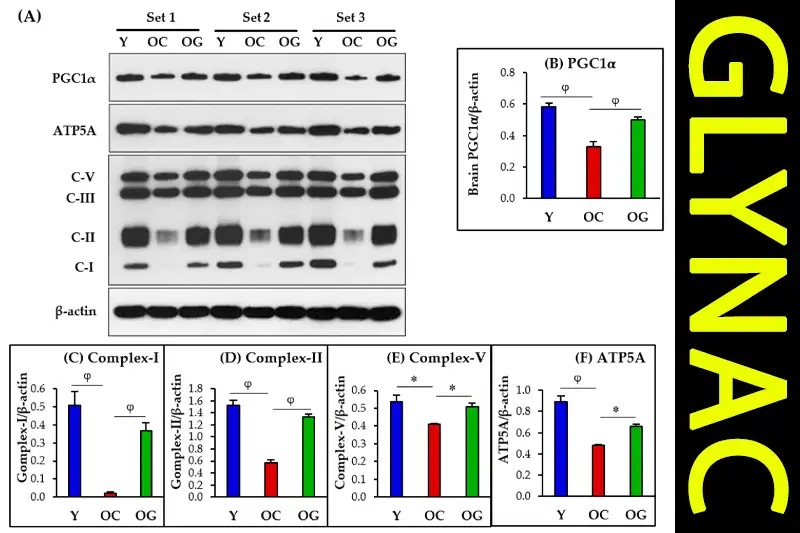
GlyNAC is the combination of glycine and N-acetylcysteine; together, they supply substrates for glutathione synthesis, the antioxidant system that mitigates cellular stress and supports recovery processes (Journals of Gerontology). Research in older adults reported improvements in oxidative stress, mitochondrial function, and gait speed; solid, but still small-scale research in terms of scope.
The idea: if cysteine and glycine are limited, glutathione production falters. Supplementing with GlyNAC could address this deficiency and thus influence energy metabolism, vascular function, and general metabolism (Baylor College of Medicine). This is biologically plausible, although the clinical benefit in various target groups likely remains variable.
What does clinical research show so far?
A randomized study in older adults (16 weeks) showed improvements in oxidative stress, insulin resistance, and physical outcomes; safety was generally well-reported (PubMed overview). The results suggest that the combination does more than a single amino acid, but larger-scale replication is really needed.
There is also an RCT that examined dose-response and described an increase in glutathione levels. This is interesting for those who train heavily, although an important nuance is in order: the strong clinical evidence primarily comes from studies with older adults. For young athletes, the benefit is theoretically and mechanistically supported, but not yet directly demonstrated in large trials. For daily use outside of trials, remember to consider personal reaction and existing medical factors.
Pros and Cons of GlyNAC
Pros
- Provides substrates for glutathione and can reduce oxidative stress under higher training or lifestyle demands.
- Small trials show indications of improved mitochondrial function and physical functioning in older adults.
- Dosing regimens are practically feasible with powder or capsules.
- Safety profile over 16–24 weeks appears favorable within studied limits.
Cons
- Evidence is limited in scale and duration; long-term effects remain unclear.
- Gastrointestinal complaints and a sulfur odor can occur; not everyone tolerates NAC well.
- Possible interactions with medication; consultation with a professional is preferred.
- Not studied as a performance booster; the focus is on healthy aging.
Dosage from studies: What does that mean for practice?
Trials generally use a 1:1 ratio of glycine and NAC. Note: in well-known studies (such as those from Baylor), high dosages were used (often >100 mg/kg body weight, which amounts to 6 to 9 grams per day). This is significantly more than in standard capsules; the translation to lower dosages has not yet been fully mapped out (RCT-pdf).
Therefore, start low and evaluate tolerance. With daily demands, intake around meals can improve gastric tolerance, and timing aligns with recovery.
Apart from combinations, there is evidence that glycine broadly influences physiological processes, and that NAC works towards GSH synthesis; together, this supports the mechanism behind GlyNAC (Natuur Diëtisten Nederland). Practically, it remains: check medication, monitor side effects, and dose gradually.
Glossary
- Glutathione: Endogenous antioxidant that protects cells against oxidative stress and contributes to detoxification.
- Mitochondrion: Cell organelle for energy production; sensitive to oxidative damage and important for endurance.
- Oxidative stress: Imbalance between free radicals and defense; more common with intense training and aging.
- Insulin resistance: Reduced sensitivity to insulin; associated with energy metabolism and recovery.
GlyNAC, NAC, or glutathione: What do you choose when?
Glutathione is composed of cysteine, glutamine, and glycine; its synthesis is often limited by cysteine, which explains why NAC is frequently used (Voedingsgeneeskunde). GlyNAC simultaneously addresses two building blocks, which theoretically supports endogenous production.
A direct glutathione supplement is another route with its own uncertainties regarding oral bioavailability; context determines the choice. For performance goals, practical tolerance often outweighs theory, and consistency is crucial.
| Study | Population | Key Result |
|---|---|---|
| Lizzo 2022 (RCT) | Healthy older adults | 2.4–7.2 g/day 1:1; increased glutathione, indications on oxidative markers. |
| Kumar 2022 (RCT) | Older adults (placebo-controlled) | Improved oxidative stress, insulin resistance, and physical outcomes; well-tolerated. |
| Mechanistic context | Older adults/general | Glycine and NAC replenish GSH substrates; plausible effect on mitochondria and recovery. |
Safety, interactions, and practical experience
Within studies of 16–24 weeks, GlyNAC was generally well-tolerated; gastrointestinal complaints and a sulfur odor can occur due to NAC (Baylor overview). Use during pregnancy, breastfeeding, or with complex medication warrants prior professional advice.
Guidelines and safety reviews exist for NAC; consider interactions and individual limitations, especially with anticoagulants or gastric sensitivity. In practice, it helps to build up the dosage slowly and monitor tolerance.
Conclusion
In small-scale clinical research, GlyNAC shows positive signals on markers associated with aging.
The combination can be useful for those who want to support recovery and energy metabolism, but the evidence base is still growing; choose dosages wisely, check for interactions, and evaluate the effect on recovery.
Verified Sources
- PMC – Randomized trial with 2.4–7.2 g/day GlyNAC – Open-access RCT with dose comparison in healthy older adults.
- RIVM – Risk assessment of NAC in supplements – Dutch safety frameworks and reference values for NAC.
- Orthokennis – Glutathione versus NAC – Background on glutathione synthesis and the role of cysteine and glycine.
- PMC – Review article GlyNAC and aging – Peer-reviewed summary of findings and hypotheses.
- Vitality Pro – GlyNAC Guide – Dutch-language summary with dosage examples and risks.
Related Articles




Frequently Asked Questions
What is GlyNAC and what makes it unique?
GlyNAC combines glycine and N-acetylcysteine as building blocks for glutathione, the body’s antioxidant system. The combination aims to support cellular stress regulation and energy metabolism with increasing demands or age.
How do I use GlyNAC? What is the recommended daily dose?
In studies, equal parts of glycine and NAC are often used, totaling several grams per day (sometimes up to 9 grams), divided over 1–2 intake moments. Supplements often contain lower dosages. Building up, evaluating, and adjusting to context and any medication is advisable.
When should I take NAC and glycine?
Many people choose to take it around meals for better tolerance; during training blocks, timing towards recovery can be logical. Consistency outweighs the exact timing.
Is GlyNAC safe?
In clinical studies lasting 16–24 weeks, GlyNAC was generally well-tolerated. For pregnancy, breastfeeding, or medication use, consultation with a professional is advisable.
What are the side effects?
The most commonly reported side effects are mild gastrointestinal complaints and a sulfur-like odor due to NAC. For persistent complaints or doubts about interactions, stopping and evaluating with an expert is appropriate.