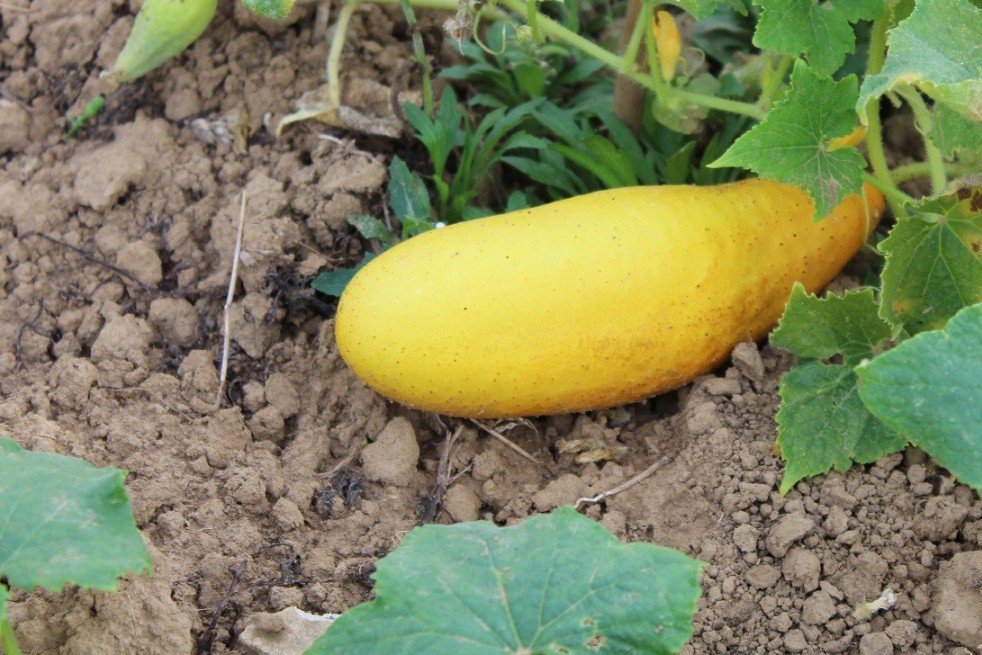
Until the 1960s, the yellow cucumber was a familiar sight in every Dutch vegetable shop. Especially around Amsterdam, this remarkable crop enjoyed enormous popularity from time immemorial, while the green variety was barely known at that time.
Now this authentic Amsterdam specialty is returning thanks to an ambitious project by local food entrepreneurs. The reintroduction of the yellow cucumber contributes to the preservation of our culinary heritage and strengthens the local food system around the capital. This forgotten crop finally receives the attention it deserves.
The 5 Key Takeaways
- Yellow cucumbers fetched considerably more at the Amsterdam vegetable market than green specimens.
- According to Jewish tradition, this pickled vegetable is an essential element on every table.
- The project unites local entrepreneurs, researchers, and urban farmers in one mission.
- Cultivation takes place in the Gardens of West under the guidance of experienced growers.
- Kesbeke Pickled Vegetables wants to reintroduce the authentic regional product into their assortment.
From Forgotten Vegetable to Amsterdam Icon
The yellow cucumber was not unknown in the Netherlands until the early 1960s. Especially in the Amsterdam region, this variety enjoyed great popularity, while the rest of the country preferred white cucumbers. These crops were grown under flat glass at the time, which was a familiar sight in Dutch horticulture.
Culinary historian Charlotte Kleyn emphasizes that the yellow cucumber held special significance for the Amsterdam community. Particularly within the Jewish community, this crop played an important role in daily cooking and during religious meals.
Why the Yellow Cucumber Disappeared
Due to unfamiliarity with the green cucumber, this yellow variety was valued much more for a long time. At the Amsterdam vegetable market, yellow cucumbers fetched considerably more than their green counterparts, clearly demonstrating the economic value of this crop.
The shift toward green cucumbers caused the yellow variety to gradually disappear from the landscape. For years, it proved difficult if not impossible to bring this authentic regional product back to market. Apparently, not only did consumers become unfamiliar with this crop, but farmers also lost the knowledge of how to grow it.
Culinary Significance
Benefits of the Yellow Cucumber
- Fresh acidity that neutralizes the taste buds
- Resets the palate between courses
- Essential element in Jewish culinary tradition
- Authentic Amsterdam culinary heritage
Challenges in Cultivation
- Limited availability of original seed material
- Knowledge of specific cultivation methods is scarce
- Market acceptance must be rebuilt
- Susceptibility to various plant diseases
The Ambitious Reintroduction Project
As part of the Eating to Extinction campaign, various parties have joined forces. Jeffrey Spangenberg of Food Council MRA works together with René Zanderink of Slow Food Netherlands and Robin van Asperen of Greenius on this special project. This collaboration demonstrates that local food initiatives can truly contribute to biodiversity conservation.
For location and production, Ferry van der Laan of the World Vegetable Gardens in Osdorp was chosen. Seed breeder Jan Velema from Wageningen UR brings his expertise in cucumber cultivation. His research into chlorosis in cucumbers proves valuable for understanding the specific growing conditions that yellow varieties need.
From Seed to Pickled Vegetable
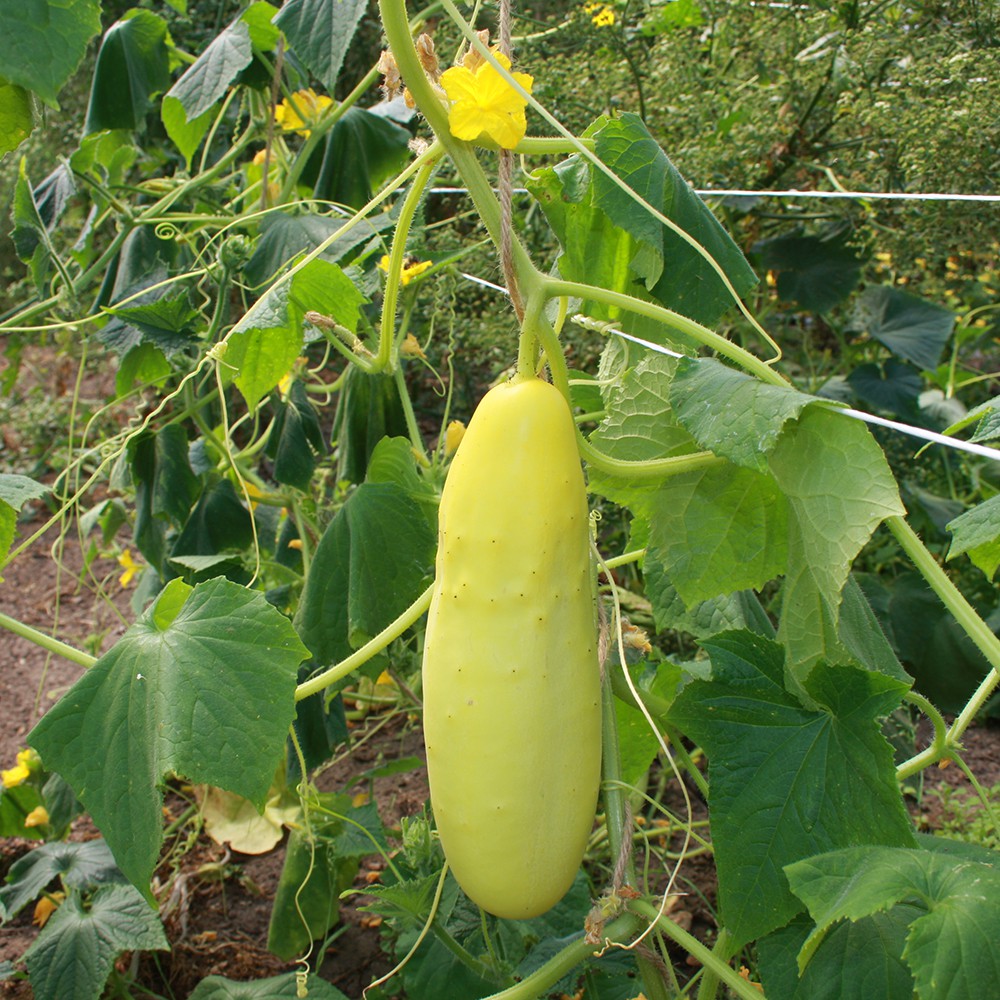
The production process begins with the selection of the right seed material and plant breeding principles. Jan Velema shares his knowledge about preserving old varieties and their potential for the future. His expertise in Fusarium resistance in cucumbers helps develop strong, disease-resistant plants.
Urban farmer Robin van Asperen guides the journey from seed to strong young plant through MijnStadstuin. Urban cultivation brings its own challenges and opportunities that are carefully managed. Yet this project proves that local food production in the city is absolutely possible.
Glossary
- Pickled Vegetables: Preserved vegetables served as a side dish
- Ark of Taste: Slow Food project for preserving rare food items
- Plant Breeding: Developing new or improving existing plant varieties
- Eating to Extinction: Campaign aimed at saving disappearing food species
The Role of Kesbeke Pickled Vegetables
At Kesbeke Pickled Vegetables, there has long been a desire to meet the ongoing demand for pickled yellow cucumbers. Father Oos along with sons Kamiel and Richard run this family business. Their expertise in the processing and preservation of authentic flavor is essential for the success of this project.
This authentic Amsterdam regional product was once part of their assortment but disappeared due to lack of fresh supply. Now they are participating in the reintroduction to make the authentic flavor available again for enthusiasts. The Kesbeke family knows exactly what quality and flavor profile is needed for the perfect pickled vegetable.
Significance for the Local Food System
Jeffrey Spangenberg emphasizes the importance of a robust local food system and the power of short supply chains. The project contributes to food security in the Amsterdam Metropolitan Region. Through local cultivation and processing, economic value remains within the region and transportation costs are drastically reduced.
René Zanderink of the Ark of Taste committee emphasizes the crucial importance of biodiversity for our future. The reintroduction symbolizes the preservation of unique culinary heritage. Forgotten food species like the yellow cucumber show how fragile our food system really is.
Old Varieties Get New Chances
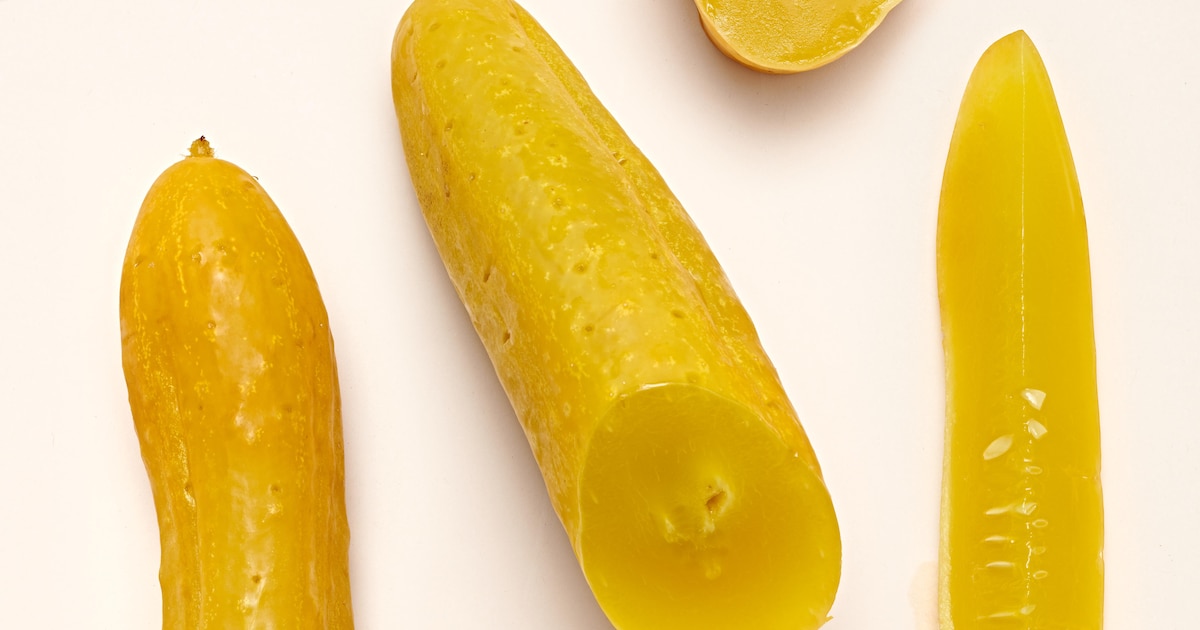
The Yellow Bunch cucumber is one of the old varieties receiving renewed attention. This early variety has specific fruit characteristics and a unique flavor perfectly suited for pickling. The variety shows that there are still traditional varieties available for enthusiasts.
Seed specialists like Semailles carefully preserve these old varieties and make them accessible to new generations of growers. Their work is certainly invaluable for preserving genetic diversity in our food crops. Without these custodians, many traditional varieties would be lost forever.
Conclusion
The return of the yellow cucumber is more than just saving a forgotten vegetable. The project connects various parties in a shared mission for local food production and demonstrates that collaboration between entrepreneurs, researchers, and growers can truly make a difference.
Through cooperation between entrepreneurs, researchers, and growers, this authentic Amsterdam regional product gets a second chance. The yellow cucumber proves that traditional crops certainly deserve a place in our modern food system. Perhaps this project will inspire other regions to breathe new life into their forgotten crops as well.
Verified Sources
- Slow Food Netherlands: Yellow Cucumber in the Ark of Taste – About the inclusion of the yellow cucumber in a project for rare food items.
- Wageningen UR: Research on Chlorosis in Cucumbers – Insights from Jan Velema on specific problems in cucumber cultivation.
- Wageningen UR: Fusarium Resistance in Cucumbers – Study on resistance development in traditional cucumber varieties.
- Semailles: Yellow Bunch Cucumber – Seed supplier of old varieties such as the yellow bunch cucumber.
- Het Parool: These Food Species Are Disappearing – Article about endangered crops, including the yellow cucumber.
Gerelateerde artikelen



Frequently Asked Questions
What is the difference between yellow and green cucumbers?
Yellow cucumbers are naturally yellow in color and were especially popular around Amsterdam. They have a specific flavor that is ideal for pickling as a side dish, with a fresher and more pronounced taste than green varieties.
Why did the yellow cucumber disappear from stores?
Due to the rise of green cucumbers and consumer unfamiliarity, the yellow variety gradually disappeared from the landscape. The cultivation knowledge also slowly faded as farmers switched to commercially more successful varieties.
Where can I buy yellow cucumbers?
Currently, work is underway to reintroduce the product by local producers in Amsterdam. Kesbeke Pickled Vegetables wants to add the product back to their assortment once cultivation is successful and sufficient supply can be guaranteed.
Are yellow cucumbers healthier than green ones?
Both varieties have comparable nutritional values in terms of vitamins and minerals. The difference lies mainly in the flavor and traditional preparation methods as a pickled side dish, where the yellow variety has a more characteristic taste.
Can I grow yellow cucumbers myself?
With the right seed material, that is certainly possible. Specialty seed companies sometimes still offer old varieties, such as the Yellow Bunch variety, which are suitable for home growers with some experience in vegetable gardening.
Continue reading
- Why a Healthy Diet Is More Effective Than Fecal Transplantation
- What You Really Need to Know About Organic Food: Benefits, Certifications, and the Nuance | Liberteque Magazine
- Why Virtual Nature Can Never Replace the Real Thing – Scientist Kondo Explains
- Google Maps for the Human Body? How the HCA Is Changing Our View of Biology