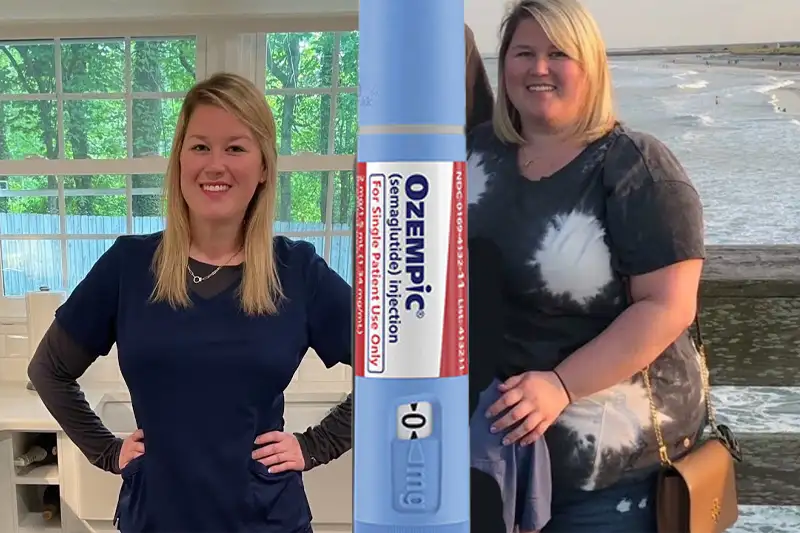
Semaglutide – better known as Ozempic or Wegovy – promises rapid weight loss results, even where years of exercise and dieting have failed.
At the same time, curvy role models are disappearing from the public eye, plus-size models are adopting the GLP-1 trend, and the old thin ideal is making a comeback. What does this mean for body diversity, for the movement that fought so hard for space beyond size 6? And most importantly: how do you as an individual navigate this shift in body image – when it’s truly medically necessary, and when it’s driven purely by social pressure?
The 5 Key Takeaways
- Semaglutide was originally a diabetes medication and only later received EMA approval for obesity – which likely explains why off-label use grew so rapidly.
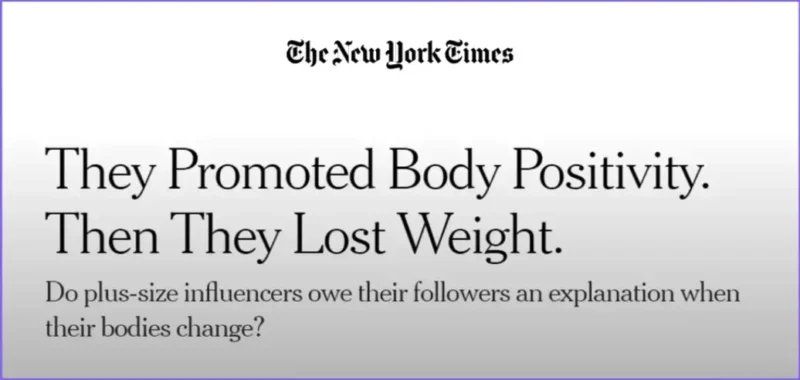
- Celebrities who long promoted body positivity show significant transformations in a short timeframe – coincidentally all within the same window.
- The so-called ‘Ozempic face’ is appearing more frequently: hollow cheeks, minimal muscle tissue, and a fragile appearance that cosmetic surgeons are already promoting fillers to address.
- Once you stop taking semaglutide, an average of two-thirds of the weight returns – causing some to view it as a lifelong treatment.
- Coverage and safety screening by your GP or specialist are crucial in the Netherlands, especially for people without a diabetes or obesity diagnosis.
What is Ozempic and what is it intended for?
Semaglutide received its first approval in 2017 for type 2 diabetes, aimed at improving glucose regulation. EMA approval for sustained weight loss in obese adults didn’t come until 2021, under the brand name Wegovy.
Both medications work via GLP-1 receptors: they slow gastric emptying, reduce appetite, and affect satiety signals in the brain. This creates a feeling of fullness faster, often visible on the scale within weeks. Still, it’s an injection that must be repeated weekly – stopping typically means returning to your original weight, sometimes even gaining more.
Body positivity vs. weight loss medication: context and nuance
The body positivity movement advocates for visibility and respect, regardless of size or shape. According to a recent analysis in The Guardian, the conversation is shifting, with prominent public figures increasingly choosing slimmer silhouettes.
Perhaps it’s about individual considerations: health concerns, life stage changes, or simply escaping harassment. Yet the public sees mainly one thing: representation eroding the moment a medical quick fix becomes available. A mixed message that makes body image and self-acceptance even more complex, especially for young people who grew up believing diversity was supposed to be normal.
Known risks and side effects of GLP-1 medications
Nausea, vomiting, and constipation are common startup complaints with semaglutide. Sometimes so intense that people stop treatment. There’s also the fear of pancreatitis – inflammation of the pancreas – and gallstones, especially with rapid weight loss.
The so-called ‘Ozempic face’ – hollow cheeks, reduced skin elasticity – occurs from rapid fluid and fat loss without skin and muscle keeping pace. This effect is more noticeable in older people or those with minimal muscle tissue. Cosmetic surgeons have since reported an increase in demand for fillers and facelifts, a trend that emphasizes expectations around GLP-1 use: quick scale success, but sometimes with a price extending beyond monthly costs.
Availability, coverage, and alternatives in the Netherlands
In the Netherlands, Wegovy falls under strict conditions: a BMI above 30 (or 27 with comorbidity), and supervision by a GP or internist. According to the Healthcare Institute’s guidance, restrictive coverage is appropriate, partly because lifestyle modifications—nutrition, exercise, sleep—remain essential.
For people without a diabetes or obesity diagnosis, off-label use is possible but not standard coverage and medically riskier. The CBG also warns of supply issues when non-indicated use comes at the expense of patients with medical need, especially during national shortages.
Pros and cons of GLP-1 medication like Ozempic
Pros
- Faster weight loss than diet and exercise alone – especially relevant for medical obesity
- Improved glucose regulation in type 2 diabetes, sometimes requiring less additional medication
- Possibly increased satiety, making it easier to limit portions
- Structured medical supervision and monitoring – when correctly prescribed
Cons
- Frequent side effects like nausea, vomiting, and stomach issues
- Risk of returning to original weight (or higher) once you stop injecting
- High monthly costs (around $1,200) if you’re not covered by insurance
- Possible cosmetic effects like ‘Ozempic face’ from rapid fat and fluid loss
Responsible use: expectations, lifestyle, and follow-up care
A weekly injection sounds simple, but only works sustainably if you simultaneously build structural habits. Nutritionists emphasize that semaglutide supports weight loss, but isn’t a complete replacement for vegetables, proteins, and adequate exercise.
Rapid weight loss can also lead to loss of muscle mass – which slows your metabolism and increases the chance of rebound weight gain. That’s why healthcare providers almost always recommend strength training, or at least daily walking. It might sound predictable, but the difference between ‘take a pill and you’re done’ versus ‘medication as support for new routines’ determines whether you eventually regain the weight.
Social impact: thin as the new default
What stands out is that celebrities who previously used their curvy bodies as a statement – from Doja Cat to Mindy Kaling – now appear noticeably slimmer. Research on GLP-1 interest shows that people with body dissatisfaction are more likely to consider trying semaglutide, even if their BMI isn’t medically alarming.
That shift triggers a domino effect: modeling agencies select smaller sizes again, brand campaigns avoid explicit diversity, and young people get the message that ‘being curvy’ was only acceptable as long as there wasn’t a faster route to thin. It feels unfair to everyone who fought for visibility – and it reignites fear of body change among people who felt comfortable in their current form.
Glossary
- GLP-1: Glucagon-like peptide-1, a hormone that slows gastric emptying and strengthens satiety signals
- Off-label: Prescribing outside the officially approved indication – e.g., Ozempic as a weight-loss drug for people without diabetes
- EMA: European Medicines Agency, responsible for drug approval in the EU
- Contraindication: A situation where a medication shouldn’t be used (e.g., pregnancy, certain medical history)
Psychological dimension: when it’s about control
For some people, semaglutide offers an escape from years of frustration over a body that ‘won’t cooperate.’ Others choose it under social pressure – from fear of exclusion, or because they think being thin boosts career prospects.
It’s important to recognize that GLP-1 medication isn’t a cure-all for deeper discomfort with yourself. If you’re really struggling with perfectionism or a distorted self-image, an injection won’t structurally fix that. Sometimes after months you realize the weight loss happened, but the dissatisfaction remains – because the real problem wasn’t on the scale.
| Aspect | Ozempic (Diabetes) | Wegovy (Obesity) |
|---|---|---|
| Semaglutide dosage | Up to 1 mg/week | Up to 2.4 mg/week |
| Primary indication | Type 2 diabetes | Obesity (BMI ≥30 or ≥27 + comorbidity) |
| NL Coverage (2024) | Often through basic insurance | Limited, after strict protocol |
Shortage and ethics: who gets priority?
In 2023, massive demand for semaglutide led to international shortages. Patients with diabetes suddenly couldn’t get their medication, because off-label weight-loss use was draining supply.
This raises questions about responsibility: should someone without medical need claim a scarce resource? And how should insurance companies handle costs if more people – even without serious obesity – want a prescription? The debate touches on solidarity, but also personal autonomy: who decides what’s ‘necessary enough’?
Conclusion
Semaglutide offers a solution for some where other methods failed – especially for medically confirmed obesity or type 2 diabetes. At the same time, we’re seeing how GLP-1 medications and body image collide: representation of diverse bodies is disappearing faster than ever, and the message ‘accept yourself’ suddenly seems negotiable once an injection is available.
Whether that ‘kills body positivity’ depends on how broadly you define the movement. If it’s about respect and space for all shapes, that value stands firm – regardless of whether someone chooses medication. But if it was mainly about visibility of larger sizes in media, then that diversity is certainly under pressure. Perhaps the real challenge isn’t the pill or the shot, but how we continue to judge bodies – thin or not.
Verified Sources
- CBG-MEB – FAQ on diabetes and obesity medications – Official NL FAQ on Ozempic/Wegovy, indications, and use.
- EMA – EPAR product information Ozempic (EN) – Official prescribing information/EPAR with indication, dosing, and safety.
- Healthcare Institute Netherlands – Guidance on Wegovy coverage – NL position on semaglutide reimbursement for obesity.
- The Guardian – Body positivity & plus-size in the Ozempic era – Reporting on impact to modeling industry and inclusivity.
- Body image and interest in GLP-1 medications (ScienceDirect) – Recent research on body image and GLP-1 interest.
Related Articles




Frequently asked questions
How does Ozempic work for weight loss?
Ozempic contains semaglutide, a GLP-1 agonist that slows gastric emptying and strengthens satiety signals in the brain. This makes you feel full faster and often automatically eat less – contributing to weight loss, especially combined with adjusted lifestyle habits.
Can you use Ozempic without diabetes?
Off-label prescribing is possible, but doesn’t fall under standard coverage and carries extra risks. In the Netherlands, semaglutide for weight loss is officially only reimbursed for obesity (BMI ≥30 or ≥27 with comorbidity), after medical evaluation by your GP or specialist.
What’s the difference between Ozempic and Wegovy?
Both contain semaglutide, but Wegovy has a higher dosage (up to 2.4 mg/week) and is specifically registered for sustained weight loss. Ozempic is primarily for type 2 diabetes, with a lower maximum dose (1 mg/week) and different coverage status.
What happens when you stop Ozempic?
Research shows that an average of two-thirds of lost weight returns within a year of stopping. Without sustained changes in eating patterns and exercise, regain is almost inevitable – semaglutide works as support, not as a replacement for structural lifestyle change.
What are the short-term side effects of semaglutide?
Nausea, vomiting, and constipation are common, especially in the first weeks after starting or dose increases. Sometimes gallstones develop or there’s increased pancreatitis risk. With severe or persistent symptoms, immediate contact with your prescriber is necessary.