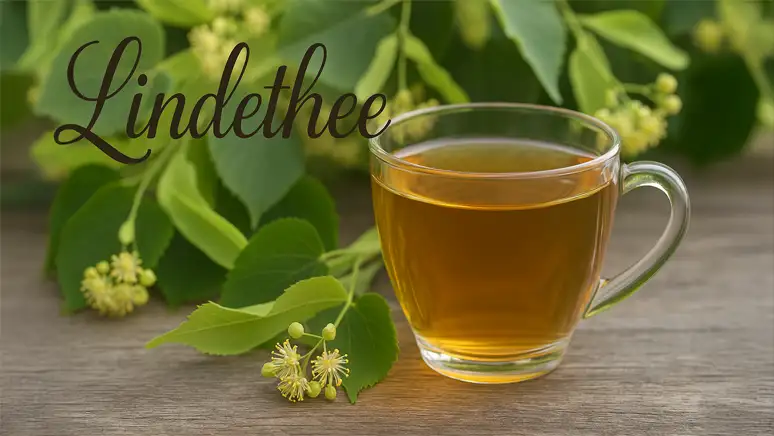
Linden tea is a classic herbal tea that has been used for generations to calm the nervous system. The blossom of the linden tree contains compounds that help the body relax in a subtle way. For many people, a warm cup of linden tea is now part of their regular evening routine.
Interest in linden tea benefits is growing, especially among people who are actively focused on their recovery, immunity, or sleep quality. Beyond its calming effect, linden blossom also appears to help reduce inflammatory processes. It’s no wonder it’s regularly compared to other herbal teas like chamomile or valerian. Within a lifestyle focused on healthy habits, linden tea is an accessible addition.
The 5 Key Takeaways
- Natural relaxant: Linden tea promotes relaxation and supports restful sleep.
- Rich in antioxidants: The blossom contains compounds that protect against oxidative damage.
- Relief for minor ailments: Used for mild headaches, cramps, or digestive discomfort.
- Women-friendly: Many women use it as gentle support for menstrual pain.
- Clear breathing: Traditionally used for cough, mucus, or nasal congestion.
What Is Linden Tea and What Is It Made From?
Linden tea is made by steeping linden blossoms in hot water. The tree these blossoms come from is called Tilia. Because of its calming and anti-inflammatory properties, this infusion is one of the most widely used herbal teas. Its gentle nature and good tolerability make it suitable for daily use in modest amounts.
In this article, we explore what linden tea is exactly, how it compares to other flower infusions, and what effects users experience. We also discuss side effects and contraindications to enable safe use, especially during pregnancy or with long-term use.
Dosage and Preparation: How Much, How Hot, and How Long?
Infusions like linden tea are created when flowers or herbs steep for several minutes in hot water. This differs from classic tea like Camellia sinensis — the plant that produces green and black tea. That contains caffeine, while herbal tea does not. Linden belongs to a different category, with a gentler profile and different effects.
The blossom of the genus Tilia is strongly aromatic and has been used for centuries because of its traditional medicinal properties. Understanding the plant and its properties helps place linden tea within the broader range of natural support options.
Glossary
- Infusion: A warm drink made by steeping herbs or flowers in hot water.
- Antioxidants: Protective compounds that help neutralize free radicals.
- Anti-inflammatory: A property that can reduce swelling or irritation.
- Diuretic: Promotes fluid elimination through the urinary tract.
- Sedative: Has a relaxing effect on the nervous system.
Although linden tea is technically not “true” tea but an infusion, the term has become so common that few people mention the difference anymore. In practice, it’s about the effect: relaxation, recovery, and relief from minor ailments keep coming up in user experiences.
The Linden Tree and Its Origins
The linden tree naturally occurs in large parts of Europe. From France to Russia, lindens have been part of the landscape for centuries. In England and Scandinavia too, the tree is known for its graceful form and fragrant blooms.
A mature linden can grow over 65 feet tall and often lives longer than a human lifetime. With its heart-shaped leaves and soft fragrance, it serves not only as a recognizable landmark in the streetscape but also as a source of material for one of the most popular herbal teas.
Types of Linden Blossom
The best-known species are Tilia cordata in Europe, Tilia americana in North America, and Tilia mexicana in Central America. Despite differences in leaf shape or growing region, their blossoms contain the same group of active compounds. This means they are used virtually interchangeably in herbal tea and traditional applications.
Health Benefits: When Should You Choose Linden Tea?
The list of linden tea benefits has become increasingly well-known in recent years. Not only because of its calming effect, but also because of its broader action on the body. Many users combine the drink with other lifestyle changes, precisely because it fits within a natural approach to recovery and prevention.
Below are six commonly cited reasons why linden blossom appears in kitchen cabinets, rituals, and recovery routines. Some effects are subtle, others you’ll notice within a few days. For most people, it comes down to trying it and then feeling for yourself what works.
1. Calming Effect
The best-known property of linden tea is its relaxing effect. A warm cup helps reduce tension, especially with restlessness, nervousness, or mild sleep problems. The effect is gentle but often effective — especially when you make it a habit in the evening.
Many people reach for herbal tea at the end of a busy day. Within that ritual, linden proves to be a reliable choice. Not heavy, not addictive, but supportive in how the body transitions from activity to recovery.
2. Nutritional Value
Plants in the genus Tilia contain a range of bioactive compounds that can support the body in various ways. In linden tea, you’ll find quercetin, caffeic acid, terpineol, eugenol, nerol, alpha-pinene, and limonene, among others. These compounds are known for their protective, soothing, and sometimes even restorative properties.
Many of these compounds are also found in other aromatic herbs. Within herbal medicine, they have been used for generations to support everyday ailments. They’re not miracle cures, but they do play a role in how the body keeps itself in balance.
3. Anti-inflammatory Effect
One of the most valued effects of linden blossom is its anti-inflammatory ability. For minor complaints like headaches, muscle pain, or stomach cramps, people often choose two cups of linden blossom tea per day. Experience shows that this — combined with rest — can provide temporary relief.
The effect is mild, which also makes it safe for regular use. Still, it’s important not to overestimate the effect: linden supports, but doesn’t solve deeper problems without a broader approach.
4. Support for Menstrual Pain
Because of its antispasmodic effect, linden tea is also often mentioned as a remedy for menstrual discomfort. Two cups per day, especially during the first days of the cycle, can ease tension in the lower abdomen. For many women, this is a natural addition to their own way of managing pain.
The effect varies individually. Some notice little, others experience just enough relief to avoid stronger remedies.
5. Support for Breathing and Mucus
Linden blossom is also known as supportive for respiratory complaints. The flower contains compounds that have a soothing effect on cough, mucus, or mild shortness of breath. Colds, mild asthma, and sore throat are situations where this tea often appears.
Still, this is limited to mild cases. With persistent or serious complaints, medical guidance should come first. Linden can at best offer gentle support, not a replacement for treatment.
6. Other Effects
Finally, other effects are also mentioned: a possible lowering of blood pressure, support for fluid balance through a diuretic effect, and antioxidant support for cells. The exact effects vary greatly from person to person and depend on the amount and frequency with which linden tea is consumed.
For this reason, moderate use is advised. Two to three cups per day, as part of a healthy lifestyle, is usually more than sufficient.
Steeping Time, Temperature, and Preparation Method
Those looking for variety sometimes turn to 7 blossom tea — a traditional herbal blend that also contains linden blossom. This combination, also known as ‘té de los 7 azahares,’ consists of a blend of calming flowers like orange blossom, lemon balm, passionflower, valerian, and white sapote.
The flavor is somewhat fuller and more complex than pure linden tea, with an emphasis on relaxation and restful sleep. For people seeking variety in aroma or effect, this herbal blend can be a pleasant alternative — especially in the evening hours.
Pregnancy and Breastfeeding: Is It Safe?
Linden tea and valerian are often mentioned as natural remedies to promote relaxation. Both have an effect on the central nervous system and can support sleep or relaxation. However, there are clear differences in application and safety, depending on age, health, and situation.
For young children between 2 and 12 years old, studies more often recommend linden tea. Valerian is usually discouraged in this age group because of its stronger and less predictable effect. During pregnancy too, linden is considered the safer choice — as long as it’s used in moderation and in consultation with a midwife or doctor.
Valerian for Menopausal Symptoms
During menopause, valerian combined with hops often proves effective for insomnia or restlessness. At the same time, there are caveats: women taking hormone therapy are usually advised against it. Also, caution is warranted with existing liver problems. In such cases, passionflower may be a more suitable alternative.
For people with a sensitive liver, linden tea may be taxing. The liver has to work extra hard to break down the active compounds, which can pose risks with existing conditions. Consulting a doctor is then wise.
Valerian for Specific Conditions
For people with glaucoma or epilepsy, valerian is often considered safer than other calming herbs. Poppy and related remedies are discouraged here because of the risk of increased eye pressure or triggering seizures. Within this context, valerian is the most neutral choice — provided it’s well-tailored to the individual situation.
Side Effects and Contraindications
Both linden tea and valerian have a powerful influence on the body. The effect is usually mild and safe, but structured research on long-term use is still limited. Therefore: use these herbs in moderation, and take a break occasionally if you drink them regularly.
In combination with medications or other supplements, unwanted interactions can occur. If in doubt, consult a doctor or pharmacist. This is especially true for pregnant women and women who are breastfeeding. During these periods, the body reacts differently, and not every herbal tea is automatically suitable.
Verified Sources
- Manual of Woody Landscape Plants – Handbook by Dirr (2009) with extensive botanical information on woody plants.
- Phytotherapeutic Treatment of Sleep Disorders – Thesis by Rivero Morales (2017) on the role of herbal medicine in sleep disorders.
- Two Plant Species Used as Sedatives in Extremadura – Article by Vallejo and Carrasco on the use of sedative plants in Spain.
- Van Bruggen Tea – Practical information on effects, dosage, and warnings for linden blossom (including max. 3 cups, 8 weeks).
- LosseTheeKopen – Description of organic linden blossom and possible allergic reactions.
- Het Kleinste Huis – Advice on brewing method and steeping time (5–10 minutes).
- 24Baby – Information on herbal tea and use during pregnancy.
- Infonu – Overview of health benefits and usage advice for linden blossom tea.
Related Articles





Frequently Asked Questions
What Is Linden Tea Good For?
Linden tea is known for its calming effect and is often used for cough, colds, and sleep problems. It may also have a mild blood pressure-lowering effect.
Does Linden Blossom Tea Have Side Effects?
Overall, linden blossom tea is safe, but allergic reactions can occur. Because the drink can slightly lower blood pressure, moderation is wise, and if symptoms occur, stopping and consulting a doctor is recommended.
How Often Can You Drink Linden Tea?
Recommendations vary, but generally a maximum of 2 to 3 cups per day is advised. Don’t drink the tea for longer than 8 weeks in a row, then take a break.
Can You Drink Linden Tea During Pregnancy?
During pregnancy, moderation is usually recommended. If in doubt, always consult your midwife or doctor before using herbal tea.
How Long Should Linden Blossom Tea Steep?
Use water at 90–100 °C and let the tea steep for 5 to 10 minutes. This creates a mild infusion without a bitter aftertaste.