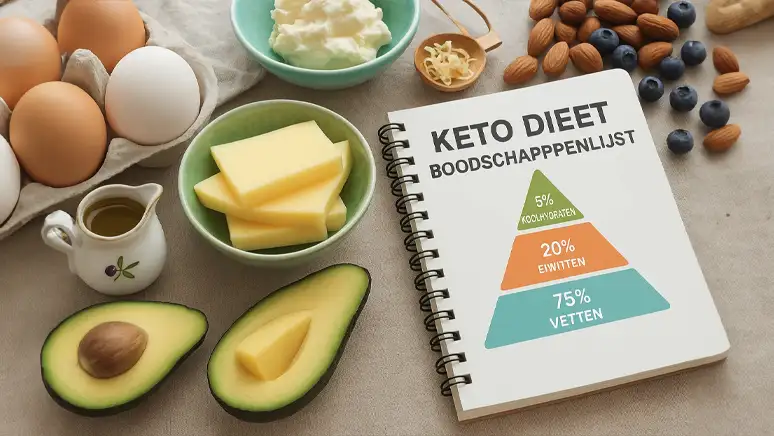
Anyone just starting with the keto diet for beginners quickly notices how challenging it can be to determine what you can still eat. A practical grocery list provides a helpful foundation. In this article, we share the most important ingredients for a ketogenic diet. Whether you are looking for healthy fats, proteins, or low-carb vegetables, this guide will help you on your way to a sustainable start.
What’s on a Good Keto Shopping List?
A keto shopping list for beginners is intended as a tool to transform your eating habits into a low-carb diet. Especially in the initial phase, it often feels overwhelming. This list helps you make the right choices without hesitation — particularly in the supermarket where temptations lurk around every corner.
The emphasis is on foods high in fats and proteins, but low in carbohydrates. Think of products such as butter, coconut oil, avocados, fatty fish, nuts, and eggs. Cheese and meat also fit perfectly within the keto diet.
In addition, the list includes vegetables that are low in carbs, such as broccoli, bell peppers, and asparagus. Eating healthy is one thing — sticking to it is another. Fruit is generally less suitable due to its natural sugar content, but berries are an exception. You can easily incorporate these into your meals in moderation.
Vegetarian Options Within Keto
For vegetarians, a keto diet requires extra attention. Getting enough protein without meat requires conscious choices. Consider eggs, tofu, tempeh, or vegetarian mince based on soy or lupine. These fit well within the guidelines of a low-carb vegetarian diet.
Important to remember: not all carbohydrates are forbidden. Some vegetables and berries provide valuable nutrients and fit within the keto profile. It’s about choosing — not just cutting out.
Eat food. Not too much. Mostly plants. ~ Michael Pollan
Ketogenic Vegetables and Fruit
Vegetables and fruit are essential for a healthy body. But with the keto diet, it is important to consciously select which types fit within your low-carb eating pattern. Here is an overview of allowed options:
- Asparagus: Only 2 grams of carbohydrates per 100 grams. A nutritious, light vegetable that is very filling.
- Bell Pepper: Rich in vitamin C and antioxidants. Preferably choose the green version, as it contains the least sugar.
- Broccoli: A true keto classic. Low in carbs, high in fiber and vitamins C and K.
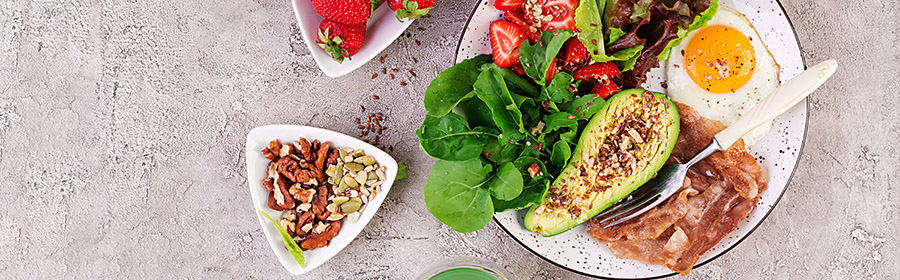
- Avocado: Officially a fruit, but indispensable in a healthy keto diet due to its high fat content.
- Berries: Think of strawberries, raspberries, and blueberries. They contain antioxidants, but also sugars — so eat them in moderation.
- Tomatoes: With 3 grams of carbs per 100 grams, tomatoes are a versatile addition. Be careful with processed tomato products.
Sometimes it’s not about what you eat, but why you eat it.
Green vegetables are a major pillar of the ketogenic diet. They contain few carbohydrates and are high in fiber, vitamins, and minerals. By including these vegetables generously in your meals, you support both your digestion and your fat burning. It’s not just about what you leave out, but especially what you add.

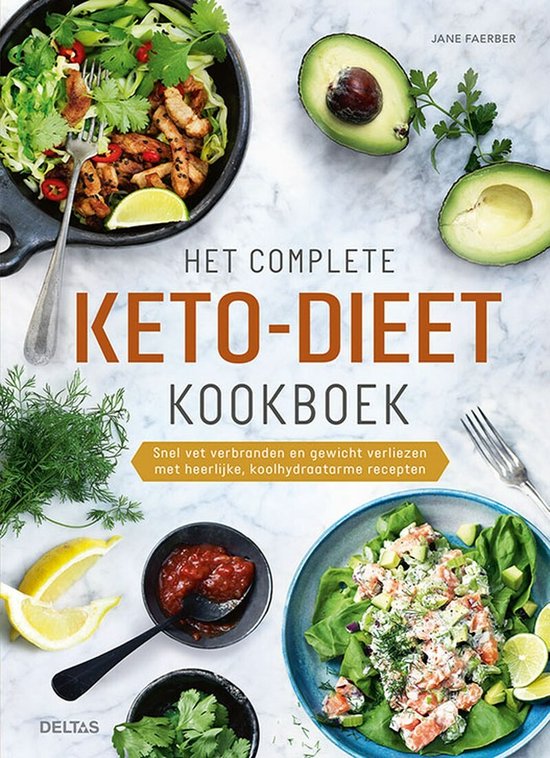
The Ketogenic Diet for Vegetarians
Even without meat or fish, you can perfectly follow a vegetarian ketogenic diet. It just requires a bit more planning, especially when it comes to getting enough protein and healthy fats. Those who choose consciously discover that plant-based sources can also form a rich nutritional foundation.
Nuts, seeds, and plant-based oils, for example, offer plenty of the fats your body needs while in ketosis. Just watch the amount of carbohydrates in some types of nuts.
- Nuts, Seeds, and Oils: Provide healthy fats for a vegetarian keto eating pattern. Think of walnuts, flaxseed, hemp seed, and olive oil.
- Above-ground Vegetables: Such as broccoli, spinach, and asparagus. They are nutritious and low in carbs.
- Protein-rich Vegetarian Sources: Tofu, tempeh, eggs, cottage cheese, yogurt, and cheeses (preferably full-fat versions).
- Specific Supplements: Such as spirulina, chlorella, or B12, can be a valuable addition.
- Hydration and Fiber: Eat plenty of fiber-rich vegetables and drink lots of water to keep your gut healthy.
Eating vegetarian within keto might require a bit more attention — but it is far from impossible.

Low-Carb Groceries for Beginners
When you first switch to a low-carb diet, it can be hard to see the forest for the trees. That’s why a clear grocery list is essential. Insight often begins with what actually ends up in your shopping cart.
- Vegetables: Spinach, zucchini, cauliflower, kale, and lettuce. Green leafy vegetables are particularly suitable.
- Proteins: Chicken, turkey, salmon, tuna, and eggs. Vegetarian protein sources are also possible, provided they are low in carbs.
- Healthy Fats: Such as olive oil, coconut oil, avocado oil, and nut butters without added sugars.
- Dairy: Full-fat yogurt, cream cheese, cottage cheese, and aged cheeses. Be careful with milk due to natural sugars.
- Nuts and Seeds: Choose types with few carbs, such as almonds, walnuts, flaxseed, and chia seeds.
Always check the labels, because even healthy products can contain unexpectedly high amounts of sugar or starch. A low-carb life begins with consciously looking at what you buy.

What is the Standard Ketogenic Diet?
The Standard Ketogenic Diet (SKD) is a fat-focused eating pattern that allows the body to switch to burning fat instead of burning sugar. This happens via ketosis, a natural metabolic state in which your body uses ketones as fuel instead of glucose.
To reach ketosis, a daily carbohydrate intake of 20 to 50 grams is generally maintained — depending on the individual. The transition to ketosis takes time but often brings a noticeable difference in energy and focus.
Foods that fit within the SKD include eggs, fish, meat, nuts, seeds, full-fat dairy, and low-carb vegetables. Products like bread, pasta, potatoes, rice, and processed snacks are avoided.
While the SKD diet can have benefits for weight loss, blood sugar regulation, and inflammation reduction, it is not suitable for everyone. What works for one person may be taxing for another. Always consult an expert if you have doubts.
Low-Carb LCHF Shopping List for Beginners
The LCHF diet (Low Carb, High Fat) has many similarities to the ketogenic diet. The focus is on fats as fuel and limiting carbohydrates. For those just starting, a shopping list can help navigate through all the options.
- Vegetables: Choose low-carb varieties like spinach, broccoli, cauliflower, zucchini, lettuce, bell peppers, and asparagus.
- Meat and Fish: Ground beef, chicken breast, turkey, salmon, sardines, mussels, and even squid fit within a low-carb eating pattern.
- Dairy: Full-fat dairy products such as yogurt, feta, cheddar, and gorgonzola are good sources of fat and protein.
- Fats: Olive oil, coconut oil, butter, avocado, mayonnaise, and nut butter support fat burning.
- Nuts and Seeds: Almonds, pecans, flaxseed, and chia seeds provide healthy fats and fiber.
- Herbs and Spices: Use salt, pepper, ginger, garlic, rosemary, and turmeric for flavor and health.
- Sweeteners: Choose natural variants like stevia or erythritol.
Health comes not only from nutrition, but also from how you live and think. ~ Andrew Weil
Keto Recipes for Beginners
Now that you know which ingredients fit into a low-carb diet, it’s time for practical application. What you eat determines not only your weight, but also how you feel throughout the day. These nine simple recipes show that keto eating certainly doesn’t have to be boring:
- Keto Basil Pesto Chicken: Baked chicken breast with fresh basil pesto and Parmesan cheese.
- Broccoli and Cheddar Soup: A creamy, nutritious soup for a quick lunch or light dinner.
- Keto Salmon Burgers: Made from salmon fillet and herbs, rich in omega-3 and perfect with avocado.
- Keto Caesar Salad: With romaine lettuce, egg, bacon, Parmesan cheese, and sugar-free dressing.
- Glazed Salmon with Vegetables: One-pan meal with salmon fillet, garlic, and green vegetables.
- Low-Carb Broccoli Fritters: Crispy vegetable cakes with egg, cheese, and herbs.
- Cauliflower Rice Sushi: A rice-free sushi experience — with avocado, cucumber, and seaweed.
- Keto Butter Chicken Curry: Indian classic with chicken, ghee, cream, and spices, prepared low-carb.
- Low-Carb Shakshuka: Tomato stew with eggs, peppers, and onions — ideal for any time of day.
Recipes help you stick with it — not just because they are healthy, but also because they are satisfying.
Recipes are not only handy, they can also bring joy to the process of eating healthier. Hopefully, the above keto recipes for beginners have inspired you to get started yourself. Enjoy your meal!
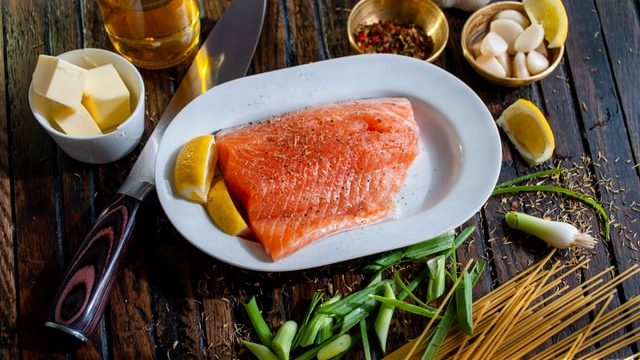
Recommended Keto Groceries for Beginners
After exploring the core principles of the ketogenic diet and associated recipes, it’s time to provide an overview of the absolute essentials for your keto grocery list. These eight products form the backbone of a practical, sustainable ketogenic eating pattern.
- Butter: A versatile source of saturated fat, ideal for cooking and baking in the keto kitchen.
- Coconut Oil: Rich in MCTs, stable at high temperatures, and suitable for both sweet and savory dishes.
- Eggs: A complete protein source with healthy fats. Perfect for breakfast, lunch, or snacks.
- Avocados: Packed with fiber and monounsaturated fats. Delicious in salads or as a spread.
- Nuts: Choose high-fat and low-carb varieties like macadamias, almonds, and pecans.
- Cream: Full-fat cream is ideal for sauces, soups, and desserts within a keto eating pattern.
- Cheese: An easy source of fat and protein, perfect as a snack or as an ingredient in hot dishes.
- Beef: A powerful source of animal protein and iron. Essential for hearty keto meals.
This list helps you build a pantry that allows you to prepare keto meals for beginners quickly and easily. With the right basics at home, healthy eating becomes much less complicated.

Coconut Oil and Other Healthy Fats
Coconut oil in the keto diet is popular for several reasons. It contains MCTs — fatty acids that are quickly converted into ketones and can be used immediately as fuel. Furthermore, coconut oil is heat-stable, making it suitable for baking, stir-frying, and even deep-frying.
In addition, you can use coconut oil as a replacement for butter when baking keto cookies or pancakes. Outside the kitchen, coconut oil is also a favorite care product for skin and hair.
Other healthy fat sources within the keto diet include olive oil, avocado oil, MCT oil, and grass-fed butter. Those who no longer see fat as the enemy discover a world of flavor and satisfaction.
Nutrition is the most powerful form of self-care we can choose daily. ~ Dr. Rangan Chatterjee
The keto shopping list for beginners provides a solid starting point, whether you are just beginning or are more advanced. By consistently choosing nutritious, low-carb ingredients, you give your body the fuel it needs — without unnecessary sugars or rapid spikes.
Healthy habits begin in the kitchen but grow through daily application.
- Butter: High in fats, virtually carb-free, and suitable for baking, frying, and flavor enhancement in hot dishes.
- Coconut Oil: Contains MCTs that are quickly converted into ketones. Ideal for preparing hot meals at high temperatures.
- Avocado: This fat-rich fruit is low in carbs and high in fiber. Great in salads, smoothies, or just with some salt and pepper.
- Nuts: Choose low-carb varieties like macadamias, pecans, and almonds for a nutritious snack or as a salad addition.
- Heavy Cream: Also known as double cream or high-fat cream. Indispensable in keto sauces, soups, and desserts.
- Cheese: Types like mozzarella, feta, and brie fit well in a keto eating pattern. Be careful with processed cheeses.
- Beef: Protein-rich and filling. Think of steak, ground beef, or stewing meat as part of a nutritious evening meal.
- Vegetables: Broccoli, asparagus, and bell peppers are low-carb, rich in nutrients, and easy to incorporate into any meal.
Avocados Within the Keto Diet
Of all the ingredients on the keto grocery list for beginners, the avocado is perhaps the most versatile. This fruit is rich in monounsaturated fats, which not only satisfy but also contribute to healthy cholesterol levels. Those who add avocados to their routine often notice that satiety lasts longer and meals can be less complex.
Thanks to its low carbohydrate content and high fiber density, the avocado fits perfectly within the ketogenic diet. You can use it in salads, guacamole, smoothies, or even as an alternative to butter or mayonnaise.
Avocado in keto recipes is more than just a trendy addition: it is a practical choice that adds both flavor and texture. Think of mashed avocado on an omelet, slices of avocado with a shakshuka, or a creamy avocado dressing.
As a snack, avocado also performs well. Halve it, remove the pit, drizzle with olive oil and a pinch of salt — and you have a nutritious snack in under a minute.
Growing older doesn’t have to mean becoming weaker. What you eat determines how long you live — and how well. ~ Dan Buettner
Avocados are thus not only tasty but also logical within a healthy keto eating pattern. They adapt effortlessly to both sweet and savory recipes, delivering exactly the fats and fibers your body needs.
Download the Keto Shopping List
(right-click image > save as..)

Low-Carb Nuts for the Keto Diet
For those following the ketogenic diet, nuts are a convenient and nutritious source of healthy fats, proteins, and fiber. But not all nuts are equally suitable: some contain too many carbohydrates and therefore fit less well within this eating pattern. Here is an overview of the best low-carb nuts for keto beginners.
- Almonds: With only 2.9 grams of carbs per 100 grams, almonds are among the most popular keto nuts. They are rich in vitamin E, magnesium, and healthy fats.
- Macadamia Nuts: High in fat and buttery in flavor, with only 5 grams of carbs per 100 grams. Ideal as a snack or salad topping.
- Pecans: With 4.3 grams of carbs per 100 grams, pecans are an excellent choice. They are also rich in antioxidants and fiber.
- Walnuts: Low in carbs (2.6 grams per 100 grams) and a good source of plant-based omega-3 fatty acids.
- Hazelnuts: With 6 grams of carbs per 100 grams, they are slightly higher in carbs but still suitable in small portions. Rich in healthy fats and vitamin E.
Nuts are nutritious but energy-dense — a handful is often enough. Add them to salads and smoothies, or use them as a topping on a creamy dessert base like chia pudding or full-fat yogurt.
Heavy Cream in the Keto Diet
One of the most loved ingredients within the keto diet is undoubtedly heavy cream. It is rich in fat, contains hardly any carbohydrates, and is exceptionally versatile. Those who eat keto quickly discover that creaminess and satisfaction go hand in hand.
Use heavy cream to give your coffee or tea a velvety taste, or to add more depth to soups, sauces, and even desserts. It is also an indispensable ingredient in keto cheesecake and other baked goods.
When purchasing, make sure to choose the full-fat variant — preferably without added sugars or starch. Some “light” creams contain surprisingly many carbohydrates.
In addition to heavy cream, other full-fat dairy products — such as crème fraîche and mascarpone — are suitable for the keto eating pattern.

A long life begins with nutrition that nourishes the body — not just fills it. ~ Valter Longo
Whether you are just starting with keto or have been at it for a while: heavy cream is an ingredient that combines convenience, flavor, and nutrition. Choosing the right fats makes the difference between sticking to it with willpower or enjoying it with ease.
Cheese Within the Keto Diet
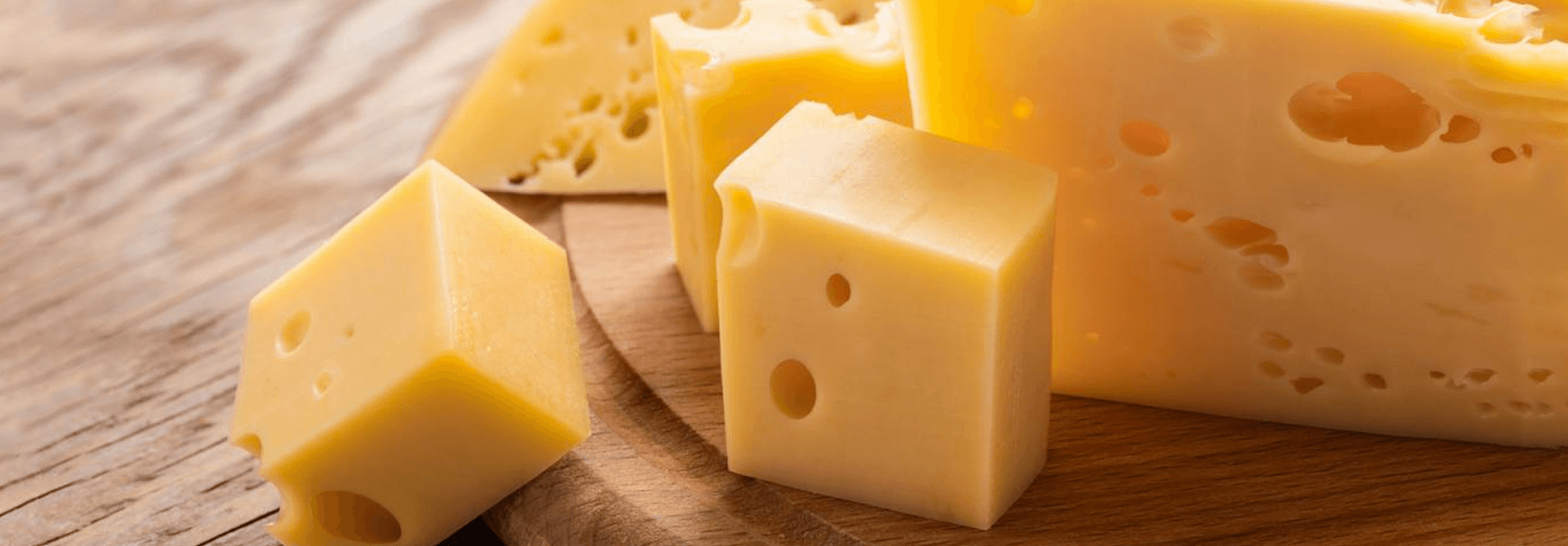
Cheese is one of the most popular items on the keto shopping list for beginners — and for good reason. It is high-fat, flavorful, and contains relatively few carbohydrates, provided you choose the right types. What was once seen as ‘unhealthy fat’ turns out to be a valuable nutritional source within keto.
- Hard Cheeses: Cheddar, Parmesan, and aged Gouda are lower in carbs than soft cheeses and are therefore highly suitable for a ketogenic eating pattern.
- Full-fat Soft Cheeses: Cream cheese, feta, ricotta, mascarpone, cottage cheese, and sour cream provide fat and protein in a tasty and creamy form.
- With Herbs: Choose cheeses with natural additions like garlic, Italian herbs, or peppercorns for extra flavor.
- Check the Label: Some cheeses contain added sugars or starches. Always check the ingredients list to avoid unnecessary carbohydrates.
The right cheese takes your meal to a higher level, not just in terms of flavor, but also in satiety.
Beef (Red Meat)
No keto shopping list is complete without a place for beef. Especially when it comes to grass-fed meat, it is a valuable source of nutrients and flavor. Choosing quality means choosing nutrition with more impact on the body and vitality.
- Proteins: Beef provides high-quality proteins that contribute to muscle maintenance and recovery — essential for an active lifestyle.
- Iron: Grass-fed beef contains highly absorbable heme iron, important for energy metabolism and oxygen transport.
- CLA (Conjugated Linoleic Acid): This fatty acid is linked to improved insulin sensitivity and fat burning.
- B Vitamins: Rich in B12, niacin, and riboflavin — important for energy, concentration, and metabolism.
- Flavor: Beef is versatile and pairs well with ketogenic vegetables, herbs, and sauces based on butter or cream.
Anyone taking keto seriously would do well to consciously choose the best quality meat available. That means: organic where possible, and preferably grass-fed beef.
Related Articles




Frequently Asked Questions
What are the most important products on a keto shopping list for beginners?
Essential products include butter, coconut oil, eggs, avocados, cheese, heavy cream, nuts (such as pecans and almonds), green vegetables (such as broccoli and spinach), and grass-fed beef. These ingredients are high in fat and protein but low in carbohydrates.
Can you eat fruit during the ketogenic diet?
Fruit often contains high amounts of natural sugars. Within keto, berries (such as strawberries, blueberries, and raspberries) are the best choice, in moderation. Avocado and tomato — technically also fruits — are very suitable due to their low carbohydrate content.
Which types of cheese fit best with the keto diet?
Hard cheeses like cheddar, Parmesan, and Gouda are ideal due to their low carbohydrate content. Full-fat soft cheeses like cream cheese, feta, ricotta, and mascarpone are also allowed, as long as they contain no added sugars.
Why is grass-fed beef better for keto?
Grass-fed beef contains more CLA, omega-3 fatty acids, and B vitamins than regular meat. It is more nutritious and aligns better with the goal of the keto diet: supporting fat burning with quality nutrition.
Which fats are healthiest for cooking within keto?
Use fats that are stable when heated, such as coconut oil, butter, and ghee. For cold applications, olive oil, avocado oil, and MCT oil are excellent choices that support ketogenic metabolism.
Continue reading
- The Impact of Sugar on Your Body and How to Break the Cycle
- Is The Keto Diet A Ticking Time Bomb? New Study Reveals Hidden Risks
- Brain fog | understanding and addressing mental cloudiness. Here’s how to deal with it effectively!
- Durian Fruit: Infamous Smell, But Packed with Nutrients + 15 Incredible Smelly Health Benefits