Durian comes in various varieties but is primarily known for its spiky shell and distinctive odor. Compared to other fruits, durian contains an exceptionally high amount of nutrients.
Durian is a unique tropical fruit
In Southeast Asia, durian is immensely popular and is known as the “king of fruits.” The fruit is packed with nutrients—more than you will find in many other fruits. Yet, not everyone is enthusiastic, mainly due to its powerful scent. For those who can look past that, durian proves to be a surprisingly valuable addition to your diet.
5 Key Takeaways
- Durian is extremely rich in nutrients, including vitamin C, B vitamins, potassium, and antioxidants.
- The smell is infamous, but the taste is creamy and mild—and nowhere near as intense as the scent suggests.
- Durian supports your immune system thanks to its high content of antioxidants and vitamin C.
- The fruit is high in fiber, which contributes to healthy digestion and a feeling of fullness.
- Despite its calorie content, durian can aid in weight management due to its nutritious and satiating properties.
What is durian fruit?
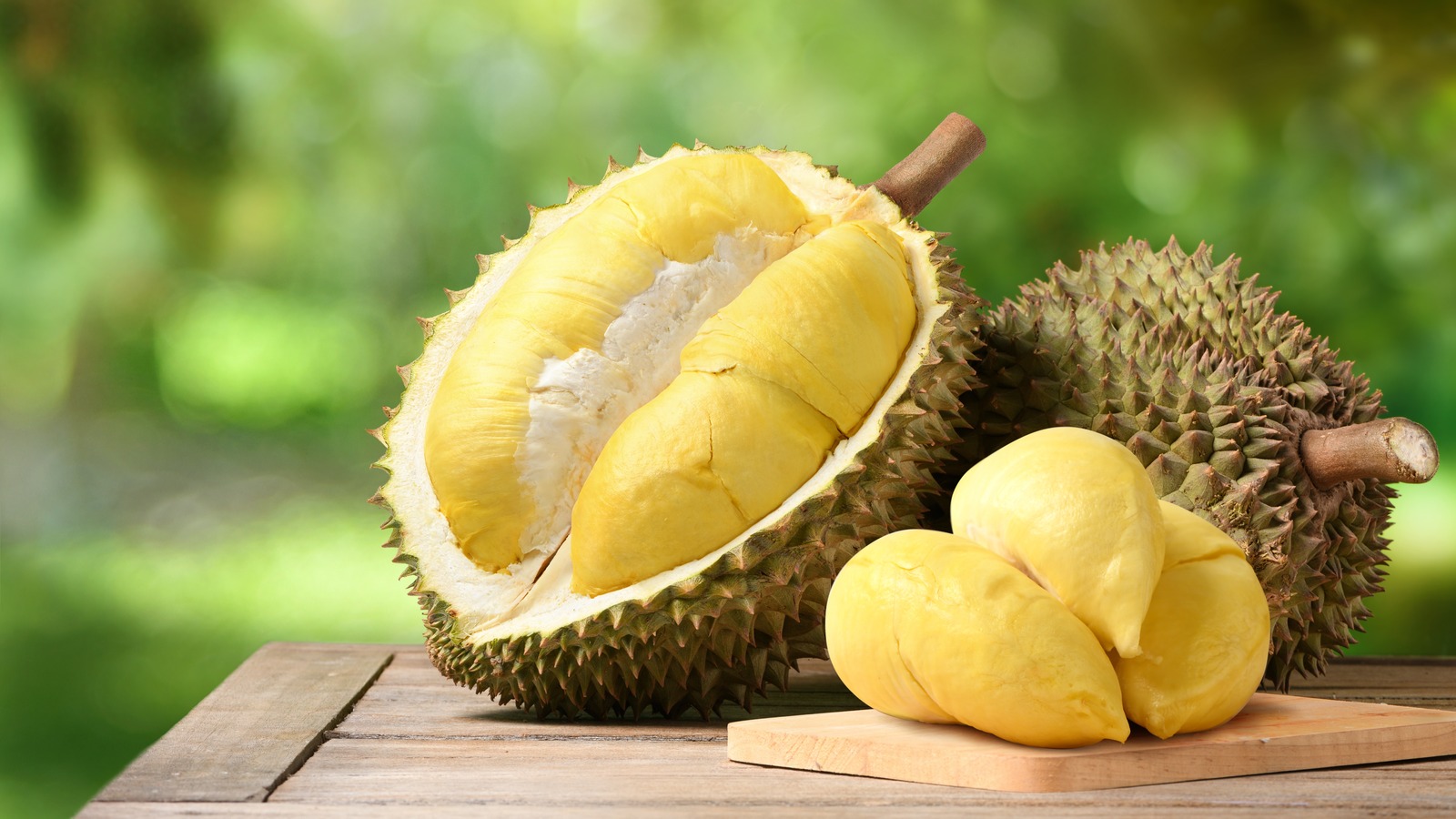
Durian is a tropical fruit that stands out for its large size and hard, spiky shell. The smell is intense and recognizable, while the flesh is creamy and soft, containing large seeds. The most common species is Durio zibethinus, but several varieties exist.
The flesh of the durian varies in color—usually yellow or white, but sometimes red or green. The fruit grows in tropical regions, particularly in Malaysia, Indonesia, and Thailand. A durian can grow up to 30 cm long and 15 cm wide and contains an average of about 486 grams of edible pulp.
Durian is a tropical fruit from Southeast Asia with a spiky shell and fragrant flesh in various colors.
How is it used?
Durian is used in both sweet and savory dishes. The creamy flesh and the seeds are edible—though the seeds must be cooked first. The flavor is often described as a blend of cheese, almond, garlic, and caramel. It is a combination you have to experience to understand.
Common applications of durian include:
- Juices
- Seeds (boiled or roasted)
- Soup
- Candy, ice cream, and other desserts
- Side dishes
Additionally, durian has been used in traditional medicine for centuries, and its medicinal properties are currently being scientifically researched.
Durian is used in sweet and savory Asian dishes and plays a role in traditional healing methods.
What are the pros and cons of durian?
Benefits of durian
- Rich in vitamins, minerals, and antioxidants
- High in fiber to support digestion
- Very satiating due to healthy fats and natural sugars
- Supports the immune system thanks to vitamin C
Drawbacks of durian
- Very pungent odor that is not appreciated by everyone
- Higher calorie content than most other fruits
- Can cause digestive issues if consumed in excess
- Not recommended in combination with alcohol
One of the healthiest fruits
- According to data from the USDA, one cup of durian pulp (243 grams) contains the following nutrients:
| Calories | 357 |
| Fat | 13 grams |
| Carbohydrates | 66 grams |
| Fiber | 9 grams |
| Protein | 4 grams |
| Vitamin C | 80% of the DV |
| Thiamine (B1) | 61% of the DV |
| Manganese | 39% of the DV |
| Vitamin B6 | 38% of the DV |
| Potassium | 30% of the DV |
| Riboflavin (B2) | 29% of the DV |
| Copper | 25% of the DV |
| Folate (B9) | 22% of the DV |
| Magnesium | 18% of the DV |
| Niacin (B3) | 13% of the DV |
Thanks to this impressive nutritional profile, durian is considered one of the most nutritious fruits in the world. The fruit is also rich in healthy plant compounds such as anthocyanins, carotenoids, polyphenols, and flavonoids. Many of these compounds act as antioxidants, which can help protect the body against oxidative stress (source).
Durian is high in fiber, B vitamins, vitamin C, and plant compounds that may have protective effects on your health.
Health benefits of durian
All parts of the durian plant—leaves, shell, roots, and fruit—have been used in Malaysian folk medicine for centuries for various ailments, such as high fever, jaundice, and skin problems (source). Modern research shows that durian could offer health benefits, including:
- May reduce cancer risk. Antioxidants in durian can neutralize free radicals. In test-tube studies, durian extract inhibited the growth of breast cancer cells.
- May help prevent heart disease. Various compounds in durian appear to have a beneficial effect on cholesterol levels and blood vessel elasticity.
- May have antimicrobial effects. The shell contains substances with antibacterial and antifungal properties.
- Supports stable blood sugar levels. Durian has a lower glycemic index than many other tropical fruits, potentially limiting blood sugar spikes.
While these findings are promising, it is important to realize that most studies have been conducted on animals or in laboratories. Confirmation in well-designed human studies is still needed.
Durian contains compounds that may contribute to reducing cancer and heart disease risks, fighting infections, and better blood sugar regulation—though more human research is necessary.

Potentially harmful in combination with alcohol
Eating durian in combination with alcohol can cause issues. Researchers suspect that sulfur-like compounds in durian inhibit the breakdown process of alcohol in the body. This can cause the alcohol level in your blood to rise, leading to symptoms such as nausea, vomiting, and heart palpitations.
To avoid risks, it is wise not to consume durian and alcohol at the same time.
Durian contains compounds that can interfere with alcohol metabolism, potentially leading to symptoms like nausea and an increased heart rate.
How do you eat durian?
Opening a durian requires some skill—and often gloves, due to the hard and spiky shell. With a knife, carefully cut into the shell and pry it open, after which you can remove the flesh.
You can eat the fruit fresh, for example with sticky rice (white or brown rice), or incorporate it into various dishes. Many recipes and instructional videos can be found online about how to open and prepare a durian.
Durian is also available in frozen form, though that changes the texture: the flesh becomes somewhat looser and more fibrous. Pre-processed products like candy give an impression of the flavor but do not provide the same health benefits as fresh durian.
You can buy durian fresh or frozen and use it in sweet or savory dishes—or just eat it on its own.

Why does durian smell so strong?
Opinions on the smell of durian vary widely: some love it, others find it barely tolerable. The scent is extremely pungent and is described as a mix of sulfur, sewage, fruit, honey, and roasted or rotting onions.
Research into the aromatic compounds in durian revealed that the fruit contains no fewer than 44 active odorants. Some of these contribute to scents reminiscent of skunk, caramel, rotten eggs, fruit, and soup seasoning (source).
The smell is so intense that durian is banned in many places in Southeast Asia, including hotels and public transport. Whether you perceive the smell as pleasant or repulsive depends largely on which part of the aroma profile you detect most—the sweet or the pungent.
While durian may divide opinion regarding its smell, it is one of the most complete fruits in terms of nutritional value. It is rich in B vitamins, vitamin C, minerals, plant compounds, healthy fats, and fiber.
15 Health benefits of durian you should know
Durian, often called the “king of fruits” in Southeast Asia, is a tropical fruit with a distinct aroma and rich flavor. Although the smell is not attractive to everyone, the fruit is valued for its creamy texture and high nutritional value.
Durian is a nutritional powerhouse with numerous health benefits—from strengthening your immune system to supporting digestion. It is packed with vitamins, minerals, and antioxidants that contribute to your overall well-being.
Despite its reputation regarding smell, durian deserves a place in a healthy diet thanks to its impressive composition. It is particularly rich in fiber, vitamin C, potassium, and other key nutrients that support your body in various ways.
1. Nutrient-dense
Durian is a nutrient-rich fruit containing essential vitamins and minerals that contribute to your health. Think of high levels of vitamin C, B-complex vitamins (such as B6, thiamine, and riboflavin), potassium, iron, copper, and magnesium. These substances are important for your energy levels, immunity, and healthy skin and hair.
Vitamin C, in particular, plays an essential role in the production of collagen, which keeps your skin firm and resilient. Additionally, durian contains healthy fats that provide a feeling of satiety and help with the absorption of fat-soluble vitamins. For those looking to improve their nutrient intake naturally, durian is a surprisingly effective option.
2. Rich in antioxidants
Durian is full of antioxidants that help protect your body against oxidative stress caused by free radicals. These unstable molecules can damage your cells and may play a role in chronic conditions such as cancer, heart disease, and diabetes. Antioxidants like vitamin C, flavonoids, and polyphenols help neutralize these free radicals, contributing to the reduction of inflammation.
Additionally, these substances support skin health by inhibiting the breakdown of collagen. Eating durian regularly can contribute to more youthful-looking skin and a lower risk of chronic issues.
3. Supports digestion
One of the most notable benefits of durian is its high fiber content, which promotes healthy digestion. Fiber helps with regular bowel movements, reduces constipation, and supports a balanced gut microbiome. Fiber makes the stool firmer, which can potentially prevent issues such as hemorrhoids and diverticulitis.
Furthermore, these fibers act as prebiotics, food for the good bacteria in your gut. A healthy gut flora supports not only your digestion but also your immunity and nutrient absorption.
4. Strengthens the immune system
Durian is a rich source of vitamin C, a powerful antioxidant that strengthens the immune system. Vitamin C plays a role in the production of white blood cells—essential for defending against pathogens such as viruses and bacteria. By eating durian regularly, you can support your resistance, helping you be less susceptible to infections like the common cold or flu.
The antioxidants in durian also protect your body cells from damage and inflammation, allowing your immune system to function more effectively. In times when your immune system is under pressure, durian can provide that extra boost.
5. Good for your heart
Durian is rich in potassium, a mineral that plays a key role in regulating blood pressure. Potassium helps keep sodium levels in balance, reducing the chance of hypertension, heart disease, and strokes. Additionally, durian contains healthy fats that can contribute to lower LDL cholesterol levels and better fat metabolism.
The polyphenols present protect blood vessels from oxidative damage, reducing the risk of atherosclerosis. Durian fits perfectly within a heart-friendly diet, provided it is eaten in moderation.
6. Boosts energy levels
Durian is an excellent source of carbohydrates, providing both quick and long-lasting energy. The natural sugars in durian, such as fructose and sucrose, are easily absorbed by the body and provide an immediate energy boost. This makes durian a useful snack before physical exertion or during mental fatigue.
Moreover, durian contains various B vitamins, including vitamin B6 (pyridoxine), which plays an important role in converting food into energy. These vitamins help your body utilize carbohydrates, fats, and proteins efficiently. For those who frequently feel sluggish, durian can provide that extra spark.
7. Supports bone health
Durian provides a combination of calcium, potassium, magnesium, and phosphorus—all key minerals for strong and healthy bones. Potassium, in particular, helps maintain bone density by neutralizing excess acid in the body, which can limit calcium loss. Magnesium also promotes the absorption of calcium.
For older adults, who are often at higher risk of osteoporosis, durian is a natural way to support bone health. The combination of these minerals makes it a nutritious choice for maintaining a strong skeleton.
8. Helps regulate blood sugar
Despite its sweet taste, durian has a low glycemic index (GI). This means it causes blood sugar levels to rise more slowly than many other tropical fruits. Thanks to the high fiber content, sugar absorption is gradual, preventing spikes in your blood sugar.
Additionally, durian contains antioxidants that may improve insulin sensitivity, helping with a more stable sugar level. For people with diabetes or those who want to distribute their energy evenly throughout the day, durian—in moderation—can be a suitable choice.
9. Promotes healthy skin
Thanks to its high vitamin C content, durian is beneficial for your skin. This vitamin supports the production of collagen, a protein that provides firmness and elasticity. Regular consumption of durian can help reduce fine lines and wrinkles by protecting the skin from oxidative damage.
Moreover, the antioxidants in durian protect your skin from external factors such as UV radiation and air pollution—causes of premature skin aging. For those wanting to work on healthy, radiant skin naturally, durian is a surprisingly powerful tool.
10. Supports weight management
Although durian contains relatively more calories compared to other fruits, the high content of fiber and healthy fats ensures a long-lasting feeling of satiety. The fiber stimulates a feeling of fullness, making you less likely to overeat. At the same time, the fats provide stable energy, helping to reduce snacking between meals.
Due to its nutritious nature, durian is a good choice for those wanting to work on weight maintenance in a flavorful way. In the right portion, durian can fit surprisingly well within a balanced diet.
11. Reduces inflammation
Durian contains several anti-inflammatory compounds, including flavonoids, polyphenols, and vitamin C. These compounds help inhibit inflammatory processes in the body. Chronic inflammation plays a role in conditions such as arthritis, heart disease, and cancer.
The antioxidants in durian neutralize free radicals, thereby lowering the oxidative stress that underlies many inflammatory diseases. Anyone sensitive to chronic issues might consider durian as an addition to an anti-inflammatory diet.
12. Supports mental health
Durian is rich in tryptophan, an amino acid that plays a key role in the production of serotonin—a neurotransmitter that regulates mood and can help reduce feelings of depression and anxiety. Tryptophan is known as the ‘happiness amino acid’ because of its calming and mood-boosting effects.
Additionally, durian contains many B vitamins, especially vitamin B6, which supports the nervous system in producing neurotransmitters. For those who value mental balance, durian can provide natural and nutritious support.
13. Promotes better sleep
Thanks to its tryptophan content, durian contributes to the production of melatonin and serotonin in the brain. Melatonin helps regulate your biological clock, which is important for falling asleep easily and staying asleep. The natural substances in durian can help improve sleep quality and deepen rest.
For people with sleep problems or restless nights, durian can be a natural and tasty way to support the body toward a calmer sleep rhythm. A small portion in the evening can be enough.
14. Strengthens hair
The combination of vitamin C, B vitamins, and healthy fats in durian contributes to good hair health. Vitamin C plays a role in collagen production, which is important for strong, resilient hair fibers. Collageen helps support the hair structure and limit hair loss.
The healthy fats also ensure a hydrated scalp, which can help prevent dryness and dandruff. Durian also contains iron, which stimulates blood circulation to the hair roots. This ensures that hair follicles are better nourished—a key factor in healthy and full hair.
15. Supports a healthy pregnancy
Durian is a good source of folate (vitamin B9), which is essential for pregnant women. Folate supports the development of the baby’s nervous system and helps prevent neural tube defects. This nutrient is crucial, especially in the first trimester.
Additionally, durian also provides iron and calcium, which contribute to the health of both mother and child. For pregnant women looking to consciously supplement their diet, durian offers a natural and tasty source of important micronutrients.
Conclusion
Durian, often called the “king of fruits,” offers a wide range of health benefits that go beyond its distinct aroma or creamy texture. From strengthening the immune system and supporting digestion to promoting healthy skin and heart, durian is a nutrient-dense fruit with a unique composition.
With a high concentration of vitamins, minerals, antioxidants, and healthy fats, durian is a valuable addition to a balanced diet. And while the smell isn’t for everyone, the benefits for your body far outweigh that minor obstacle.
https://www.youtube.com/shorts/2VekQ0JMGDQ?feature=share
Consulted sources:
- USDA FoodData Central: Nutrients in durian – Nutritional values for one cup of durian pulp.
- Voedingscentrum: Durian data – Calories, carbs, and proteins per 10 g of durian.
- NCBI PubMed: Use of durian in traditional medicine – Research on medicinal applications of durian.
- NCBI PubMed: Aromatic compounds in durian – Study on the odorants of durian.
- ScientificOrigin: Infection vs. inflammation – Relevance of antioxidants.
- ScientificOrigin: Sugar addiction – Glycemic index of durian.
- ScientificOrigin: What is insulin? – Blood sugar regulation by durian.
Gerelateerde artikelen





Frequently Asked Questions
What does a durian smell like?
Durian has a distinct odor often described as a mix of rotten onions, sulfur, fruit, and caramel. The smell is so pungent that taking durian onto many public places in Asia is prohibited.
Why is durian so expensive?
Durian is relatively expensive because it is a seasonal fruit that requires significant space and time to grow. Furthermore, the harvest is labor-intensive, and some popular varieties are exclusive and scarce.
How much does a durian cost?
The price of a durian varies greatly depending on the species, weight, and location. In Europe, you often pay between 15 and 50 euros per fruit, whereas the price in Asia is lower but can be high for rare varieties.
What is the grossest fruit?
For many people, durian is considered the “grossest” fruit, primarily due to its intense smell. However, there are also people who find the taste delicious—so it is highly dependent on personal preference.
Why is durian so “gross”?
The reason why some people perceive durian as “gross” is due to the smell of sulfur compounds. These can trigger memories of spoiled food, even though the taste itself is often creamy and sweet.
Are jackfruit and durian the same thing?
No, jackfruit and durian are two completely different fruits. Jackfruit is usually larger, has a milder smell, and a different texture. Durian has a sharp odor and a softer, custard-like flesh.