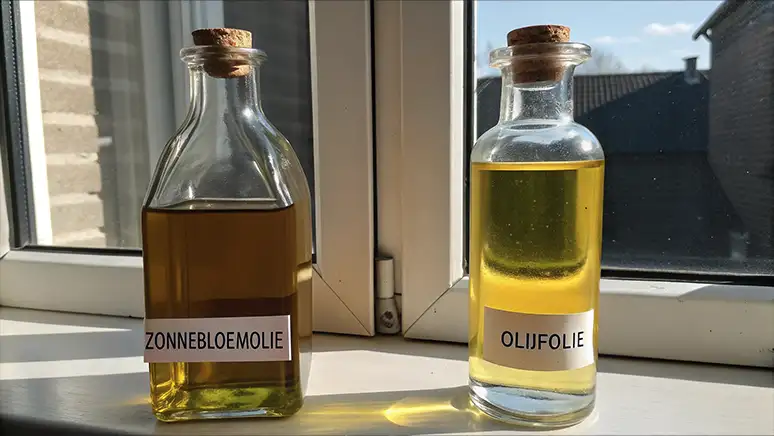
Seed oils are increasingly being debated within the world of nutrition and lifestyle. Not only because of their composition, but also because of the way they may influence our bodies.
You may have heard discussions about their possible link with inflammation in the body, or terms like high in omega-6 fatty acids appearing on labels or in articles.
Yet this raises one important question: what exactly are seed oils, and should you consciously avoid them?
The 5 Key Takeaways
- Seed oils are plant-based fats rich in omega-6. Too much of this can disrupt the balance with omega-3.
- They’re found in many processed products — a good reason to always read labels carefully.
- Healthier fat options include extra virgin olive oil, avocado oil, and coconut oil.
- When heated, some seed oils can form harmful substances. Therefore, avoid using them at high temperatures.
- A balanced fatty acid profile in your diet, with sufficient omega-3, can help mitigate potential negative effects.
What Are Seed Oils?
Seed oils are plant-based oils extracted from seeds such as corn, soy, or sunflower. In some health circles, they’re also referred to as the “Terrible Eight” — a term referring to the eight most commonly used seed oils with an unfavorable fatty acid profile.
- Canola oil
- Soybean oil
- Sunflower oil
- Safflower oil
- Grapeseed oil
- Cottonseed oil
- Corn oil
- Rice bran oil

How Is Sunflower Oil Extracted?
Not all sunflower oil is the same. The way the oil is extracted largely determines its nutritional value and suitability for consumption.
Cold-pressed oil, also called mechanically extracted oil, is produced without the use of chemicals. The seeds are pressed at low temperatures, usually below 50°C.
- This results in an oil with a natural, deep color and a recognizable sunflower flavor.
- Advantage: The preservation of nutrients like vitamin E and antioxidants.
- Disadvantage: Lower yield makes this variant more expensive — and thus less popular for mass production.
Industrial extraction works on a different principle. The seeds are first ground and then treated with solvents such as hexane.
- The oil is then refined: degummed, bleached, and deodorized.
- Advantage: This method yields more oil, is cheaper, and provides longer shelf life.
- Disadvantage: Much nutritional value is lost and solvent residues may remain.
Which Sunflower Oil Should You Choose?
- Cold-pressed sunflower oil (sometimes recognizable by terms like “unfiltered” or “unrefined”) is generally the healthier choice.
- Refined sunflower oil is widely used in industrial products and fast food. It contains relatively high levels of omega-6 fatty acids, which with excessive consumption can intensify inflammatory reactions in the body.
Use sunflower oil consciously. If you want to cook with it, prefer the cold-pressed variety and avoid high temperatures. For frying and sautéing, avocado oil or extra virgin olive oil are generally better alternatives.
Food is not calories, it’s information. It directs your biology. ~ Dr. Mark Hyman
Glossary
- Oxidation: A chemical process where a substance reacts with oxygen, which can lead to quality loss or degradation.
- Free radicals: Unstable molecules that can damage cells and are linked to aging and chronic diseases.
- Polyunsaturated fatty acids: Essential fats that the body cannot produce itself and contribute to healthy cholesterol levels.
- Smoke point: The temperature at which an oil begins to smoke — from that point on, harmful substances form.
- Omega-3 fatty acids: Healthy fats that have anti-inflammatory effects and are important for the brain, heart, and eyes.
The Versatility of Seed Oils
Seed oils are ubiquitous in our kitchens and food industry. They’re often chosen for their low cost, neutral taste, and suitability for high temperatures. From a nutritional standpoint, they’re rich in polyunsaturated fatty acids, particularly omega-6 fatty acids. These fats are essential for the body and can, when consumed in moderation, even help reduce the risk of heart and cardiovascular disease.
“What’s healthy doesn’t depend only on the nutrient — but also on the amount and the context in which you consume it.”
How Seed Oils Can Affect Your Health
While omega-6 fatty acids are necessary, the problem lies mainly in the proportions. In the standard Western diet, the proportion of omega-6 is often much higher than omega-3, which can lead to an imbalanced ratio.
This imbalance is associated with low-grade inflammation, which in turn is linked to chronic diseases such as heart problems, type 2 diabetes, obesity, and autoimmune disorders.
Want to be more conscious about seed oils? Then it helps to know how they’re produced. There are several ways to find out:
1. Read the label
- Terms like “cold-pressed” or “extra virgin” indicate a mechanical, gentler extraction process.
- Words like “refined” or “purified” usually suggest chemical extraction with solvents.
2. Consult the manufacturer
- Manufacturers often detail on their website how an oil is precisely obtained.
3. Pay attention to color and smell
- Cold-pressed oils often have a deeper color and a pronounced aroma and taste.
- Refined oils are typically clear, odorless, and mild in flavor.
4. Use price as an indicator
- Oils pressed in traditional ways are usually more expensive due to labor-intensive production.
5. Look at the source
- Oils like extra virgin olive oil or unrefined coconut oil are almost always cold-pressed.
- Seed oils such as soy, corn, or canola oil, on the other hand, are usually industrially and chemically extracted.

The Downside of Heating
An important consideration with seed oils is their behavior when heated. Due to the presence of polyunsaturated fatty acids, they’re relatively vulnerable to oxidation during cooking. This can create free radicals — unstable molecules that can damage cells and tissues.
Oxidative stress is associated with accelerated aging and the development of various diseases. Yet context is everything: the effect of seed oils depends on how you use them and on the rest of your eating pattern.
“It’s rarely about one food — but about the whole of daily choices and habits, and health doesn’t revolve only around what you eat — but also around the origin and processing of your ingredients.”
Which Foods Contain Seed Oils?
Seed oils are found in more products than you might think. They’re widely used in industrial foods such as dressings, margarine, cookies, bread, fried snacks, mayonnaise, and chips. Especially products with long shelf lives often contain refined seed oil as an inexpensive fat component.
Why Seed Oils Are So Popular
From an economic perspective, seed oils are attractive: they’re cheap, relatively long-lasting, and have a neutral taste. Ideal for manufacturers — but reason enough for consumers to remain critical and carefully read ingredient lists.
Alternatives to Seed Oils
- Extra virgin olive oil: Rich in antioxidants and monounsaturated fats. Suitable for salads, sauces, and cooking at low to medium temperatures (up to about 210°C).
- Avocado oil: With a smoke point around 270°C, this is an excellent choice for frying, sautéing, and deep frying. Plus, it contains plenty of healthy fatty acids.
- Coconut oil: Stable when heated and therefore useful for stir-frying or baking. Unprocessed coconut oil also has a characteristic flavor and mild anti-inflammatory properties.
- Butter and ghee: Not plant-based, but rich in fat-soluble vitamins and flavor. Ghee is particularly heat-resistant (up to about 250°C) and is considered beneficial in many traditional cuisines.
Those who choose food closer to its natural origin often make healthier choices automatically. ~ Andrew Weil
| Seed Oil (Avoid) | Healthier Alternative |
|---|---|
| Canola oil | Olive oil (extra virgin) |
| Soybean oil | Coconut oil |
| Sunflower oil | Avocado oil |
| Safflower oil | Butter or ghee |
| Grapeseed oil | Macadamia oil |
| Cottonseed oil | Animal fats (e.g., beef tallow, lard) |
| Corn oil | Coconut oil |
| Rice bran oil | Duck fat or beef tallow |
Why Are Omega-6 Fats Labeled as “Bad”?
Omega-6 fatty acids are not inherently harmful — quite the opposite, the body needs them for healthy cell structure and hormone production. The problem arises when the ratio between omega-6 and omega-3 becomes imbalanced, as is often the case in the modern Western diet.
With high omega-6 intake, without sufficient omega-3 to compensate, low-grade inflammatory processes can be stimulated. And it’s precisely these processes that are linked to chronic conditions such as heart and cardiovascular disease or metabolic complaints.
Seed oils are processed into many foods, making it difficult to avoid them completely. Yet understanding how they work and where they come from can help you make more informed choices.
Related Articles





Frequently Asked Questions
What exactly are seed oils?
Seed oils are plant-based oils extracted from seeds such as sunflower, soy, corn, and cottonseed. They’re often used in the food industry because of their neutral taste and low cost.
Are all seed oils bad for your health?
Not necessarily. Some seed oils contain essential fatty acids. The risk lies mainly in excessive consumption and improper use, such as heating above the smoke point or an imbalance with omega-3.
What’s the problem with omega-6 fatty acids?
Omega-6 is an essential fatty acid, but in high amounts — without sufficient omega-3 — it can promote inflammation. The ratio is therefore crucial for your health.
Which oils are healthier alternatives?
How do I recognize if an oil is refined?
Look for terms like “refined” or “deodorized” on the label. A clear color and neutral smell are also often signs that the oil has been chemically processed.