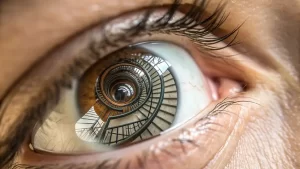
Boredom feels like something you definitely need to avoid, but nothing could be further from the truth. As contradictory as it sounds: Boredom is actually the key to a happier and more meaningful life.
While you’re busy filling every second with swiping and scrolling, your brain misses the chance to find meaning in your existence. Those moments of emptiness are actually goldmines for your mental wellbeing. It’s time to fundamentally rethink your relationship with boredom.
The 5 Key Takeaways
- Boredom activates a special brain network responsible for your most creative insights
- People would rather give themselves painful electric shocks than sit alone with their thoughts for fifteen minutes
- The constant availability of your smartphone blocks a crucial process in your brain
- Boredom protects you against depression by forcing you to think about life’s big questions
- Simple protocol changes can completely transform your relationship with boredom
The Hidden Talent of Your Brain
When you do nothing, your brain switches to the default mode network. This network of brain structures becomes active whenever you’re not performing a specific task.
Research shows that this network is responsible for introspection, daydreaming, and your spontaneous stream of thought. These are precisely the moments when your brain makes new connections and finds creative solutions.
Why People Would Rather Suffer Pain Than Boredom
Dan Gilbert from Harvard University, together with Timothy Wilson, conducted a remarkable experiment where people had to sit in a bare room for fifteen minutes. No phone, no book, no music—just a chair, a table, and a button that delivered a painful electric shock. All participants had tested the shock beforehand and indicated they would pay money to avoid feeling it again.
Admittedly, it sounds absurd, but as many as 67% of men and 25% of women chose the painful shock over doing nothing. One participant even pressed the button 190 times during that short session. This truly shows how difficult it is to be alone with our thoughts, even for just fifteen minutes.
The experiment illustrates our deep resistance to introspection. Our brain is accustomed to constant input, and when that disappears, it apparently feels like a threat we want to avoid at all costs.
Pros and Cons
Benefits of Boredom
- Activates creativity and new insights
- Reduces risk of depression and anxiety
- Helps you find life purpose
- Improves focus and attention to everyday things
Drawbacks of Boredom
- Increases risk of depression through meaninglessness
- Reduces creativity and problem-solving ability
- Creates addiction to constant stimulation
- Blocks self-reflection and personal growth
The Smartphone Problem
That thing in your pocket has virtually eliminated boredom from your life. Even a fifteen-second wait at a traffic light gets filled with screen time.
Research shows that digital switching actually makes boredom worse and is linked to increased anxiety and depression. Your brain becomes accustomed to constant stimulation and loses its ability to be still.
The Connection Between Boredom and Meaning
People who never experience boredom have significantly higher chances of depression because they don’t discover the deeper meaning of their lives. It’s a vicious cycle that becomes increasingly difficult to break.
Glossary
- Default Mode Network: Brain network that becomes active during rest and is responsible for introspection
- Existential Reflection: Thinking about the deeper meaning and purpose of your life
- Dopamine: Neurotransmitter that regulates reward behavior and addiction
- Digital Switching: Rapidly switching between different apps and digital stimuli
Practical Steps for More Boredom
Start by turning off all devices after seven in the evening. This simple protocol gives your brain a chance to rest.
Exercise without podcasts, music, or other distractions. You might feel uncomfortable at first, but you’ll likely get your best ideas during these moments of silence.
Why Boredom Makes You Happier
As you get better at tolerating boredom, you become less easily bored by ordinary things in your life. Your relationships, work, and daily activities gain new meaning.
Conclusion
Boredom is not an enemy to fight, but an ally to embrace. The default mode network in your brain waits for those moments of emptiness to work its magic.
Start today with small steps: put your phone away during meals, take a device-free shower, or walk without a podcast. Your brain will thank you, and your life will truly become richer for it.
Related Articles




Frequently Asked Questions
Why does boredom feel so uncomfortable?
How long do I need to tolerate boredom before it gets better?
Usually it takes a few weeks to adjust to longer periods without stimulation. Start with fifteen-minute periods and gradually build up to an hour or more.
Can too much boredom also be harmful?
Chronic boredom can indeed be linked to depression, but this is different from consciously chosen moments of rest. It’s about finding a healthy balance between stimulation and stillness.
What if I really don’t have time for boredom?
You probably have more time than you think. Replace multitasking with full attention to one activity, or use waiting times consciously for reflection instead of reaching for your phone.
Does boredom really help against depression and anxiety?
Research suggests that people who regularly spend time in reflection have a lower risk of depression. It helps you find meaning and purpose in your life.
Verified Sources
- https://www.science.org – Research on people who prefer electric shocks to boredom
- https://en.wikipedia.org – Explanation of the brain’s default mode network
- https://youtu.be/orQKfIXMiA8 – YouTube video on boredom and mental rest