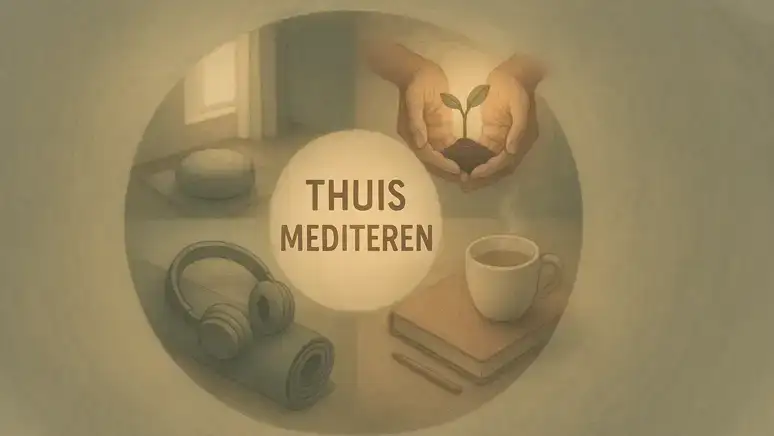
Meditation is a practice that has been used for centuries to bring peace to mind and body. Those who meditate regularly notice a clear shift over time: less tension, more clarity, and a better sense of balance. For many people, that change doesn’t happen suddenly, but grows steadily with each session.
Often, shortly after starting to meditate, a reduction in stress and anxiety occurs, an improved sense of well-being and, for many, noticeably better sleep and overall health. Those who stick with the practice gradually learn how thought patterns work and how to engage with them more consciously.
In the past, meditation was something you dedicated your entire life to. Serious practitioners would retreat to a monastery or ashram, or live as hermits in the silence of nature. Today, meditation adapts to daily life. More and more people with busy lives – work, family, studies – still find time to practice. Some take online classes or group sessions, but most people nowadays simply meditate at home.
The 5 Key Takeaways
- Meditation Method: Choose a form that suits you. Consistent practice helps, but meditation should never feel like an obligation.
- Start Small: A few minutes a day is enough to build momentum and maintain the routine.
- Quiet Environment: A silent place helps you focus your attention. For many people, early morning is the best time.
- Breath as an Anchor: Notice distractions, but always return to your breath. That’s the core of meditation.
- Develop Compassion: Meditation increases your ability to look at yourself and others with kindness.
What Is the Best Way to Meditate at Home?
The best start is choosing a meditation method that you’re genuinely curious about. Discipline helps you stick with it, but too much pressure backfires. With an approach that suits you, a natural balance between dedication and relaxation emerges.

Glossary
- Mindfulness: Being attentively present in the current moment.
- Compassion: The ability to understand another’s pain and the desire to ease it.
- Empathy: Understanding another’s feelings and experiencing them as relatable.
- Spirituality: Seeking meaning and connection in life.
- Serenity: Inner peace and calm, even amid chaos.
Here Are Some Helpful Tips:
Think About Your Motivation
- Are you meditating to reduce stress, sleep better, or manage physical tension?
Then forms like guided meditation, relaxation meditation, or chanting might work well. Those seeking insight into how thoughts work usually find that in mindfulness or awareness meditation.
- Do you want to develop qualities like patience, empathy, or gentleness?
Gratitude meditation can help with that. A short morning gratitude meditation often sets the tone for the rest of your day.
- Is your practice focused on connecting with the divine or something greater than yourself?
Then spiritual meditation might be a fitting path. However, that requires honesty – because there’s a risk that spiritual growth gets confused with feeding the ego.
There are countless forms of meditation. When you know why you want to meditate, you’ll recognize more quickly which method aligns with your own path.
Also Read: 5 Pitfalls to Watch Out For: The Shadow Side of Spirituality
Choose the Right Meditation Form and Start Small
Those learning to meditate at home do well to start with short sessions. Three minutes might sound minimal, but it can be enough to notice a difference. For many beginners, even sitting quietly for a few minutes feels intense; that’s part of the process. As you practice more often, that silence naturally becomes more familiar.
Small steps help you build a rhythm you can maintain. This way, meditation becomes a natural part of your day rather than something that takes effort. Experienced teachers emphasize that the quality of your attention matters more than how long you sit.
Consistency ultimately makes the difference. Those who start small and build gradually stay more easily committed to the practice. Five minutes of meditation every day brings more stability than one long session a week where your attention wanders. Quality over quantity remains the rule.

Choose a Suitable Time and Comfortable Place
A good way to meditate at home is to find a quiet place where you won’t be disturbed. Choose a time that fits your daily rhythm. Many people find that early morning is ideal, because the world is still quiet then. A short morning meditation practice can help you start the day with more focus.
The posture you choose is just as important. Not everyone needs to sit in the lotus position. On a cushion, a chair, or a couch – as long as your spine stays straight and you can breathe comfortably, you’re good. Relax your shoulders and neck, keep your eyes half-open or close them if that feels better.
Also Read: Spiritual Bypassing: Avoiding Emotional Pain Through Spirituality
The Essence of Focus During Meditation
Whatever method you use, awareness of the present moment remains the core. During meditation, you train yourself to stay present with your object of attention – that could be your breath, a sensation in your body, or a sound.
Distractions are part of it. Sometimes they’re external stimuli – noise, smell, an itch, or tension. More often they come from within: thoughts about what needs to happen, emotions, memories. Recognizing that distraction is part of the practice.
The simplest way to return is to refocus your attention on your breath. Notice the inhalation and exhalation and let that serve as an anchor. You can also choose physical sensations or sound as your focal point, as long as it helps you stay present. The goal isn’t to empty your mind, but to learn to perceive clearly what is there.
Notice and return – that’s the essence of meditation.

Kindness
Himalayan master Trungram Gyalwa describes compassion as a quality every human carries within. Meditation helps make that natural goodness visible. Through regular practice, you learn to better recognize and release negative emotions like anger or jealousy. At the same time, your capacity for kindness and understanding – toward yourself and others – grows.
Related Articles


Frequently Asked Questions
How do I start meditating?
Find a quiet place and time. Start with a few minutes a day, focusing on your breath.
What are the benefits of meditation?
Meditation can reduce stress, improve your concentration, and enhance your emotional well-being.
How often should I meditate?
Consistency is more important than duration. Try to meditate daily, even if it’s just for a short time.
What if my thoughts wander during meditation?
It’s normal for thoughts to come and go. Acknowledge them, but gently bring your attention back to your breath.
Can I meditate if I’m feeling stressed?
Yes, meditation can actually help reduce stress. Focus on your breath and let tension go.