Raspberries, those little red jewels that brighten up your garden and taste buds. But beyond their cute appearance and sweet-tart flavor, you might wonder: are these miniature fruit bombs really as healthy as they look?
In this article, we dive deep into the world of raspberries. We embark on a journey through their rich history, explore their origins, and unravel the secrets of their nutritional value. And because a raspberry doesn’t just look pretty in a fruit bowl, we’ll also share delicious ways to use them in your kitchen.
So get ready, grab a handful of raspberries (or raspberry lovers, as we sometimes secretly call them) and join us on this tasty discovery. We’ll find out if these little red friends are really as good for us as they taste!

The History of Raspberries: From Ancient Rome to Modern Times
I mean, who doesn’t love raspberries? Those juicy red fruits are always a hit in the summer and can be used in countless ways in the kitchen.
But where do these delicious fruits actually come from? Well, we need to go back to ancient Rome to find out.
The history of raspberries begins with the ancient Romans who already knew how to cultivate this delicate fruit. They used special techniques to grow the plants and produce sweet berries.
During the Renaissance period, this process was further refined and raspberry plants spread throughout Europe. Today, we have various modern varieties of raspberries that each offer their own unique flavor and nutritional value.
Pros
- Rich in vitamins, minerals, and antioxidants
- Low in calories and sugar
- Versatile for use in various dishes
- Promotes digestion and is good for your heart
Cons
- Possible allergies in some people
- Seasonal availability
- Can spoil quickly
- Possible pesticide exposure
The Origin of Raspberries: A Journey Through Time
Now that we’ve learned about the history of raspberries and how they’ve been eaten through the centuries, we can look at their cultural significance and origins.
Botanically speaking, raspberries belong to the genus Rubus in the rose family. There are many genetic variations of raspberry plants that thrive under different conditions such as cold temperatures or warm summers. This has led to a variety of flavors and sizes of raspberries.
Since raspberries are relatively easy to grow, there is a large economic impact on their production worldwide. Many countries have focused on the commercial cultivation of raspberries, including Poland, Serbia, and the United States. In some regions, festivals are even held to celebrate this beloved fruit.
Despite their popularity, it remains important to consider environmental factors that may affect their growing conditions and food safety.
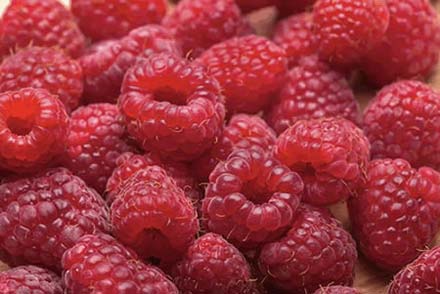
Vitamin C, Fiber, Potassium, and Antioxidants
As a dietitian, I can confirm that raspberries are not only delicious but also very good for your health! They contain vitamin C, fiber, potassium, and antioxidants that help fight free radicals in our bodies. These properties make them ideal as an ingredient in various recipes such as smoothies, salads, or desserts.
A simple way to add more raspberries to your meals is by combining them with other fruits or even as a topping on oatmeal. Feel free to add some raspberries to your diet and enjoy the flavorful benefits!
The Nutritional Value of Raspberries: Packed with Vitamins and Antioxidants
While some people worry about the amount of sugar in raspberries, they are an excellent source of nutrients and antioxidants. It’s important to remember that fruit contains natural sugars that don’t have the same negative effects as added sugars. Moreover, there are various ways to enjoy raspberries without adding extra sweeteners.
Here are four reasons why eating raspberries is good for you:
- Raspberries contain plenty of vitamin C, which can help improve immunity.
- They also contain anthocyanins, a type of antioxidant that can reduce inflammation in the body.
- Raspberries have a low glycemic index (GI), making them suitable for people with diabetes or insulin resistance.
- By regularly consuming raspberries, they may help lower high blood pressure and improve heart health.
So there’s a lot to be said for all the benefits these little fruits offer!
In addition to their nutritional value, you can enjoy raspberries in many ways – such as eating them raw, adding them to salads, or making smoothies.
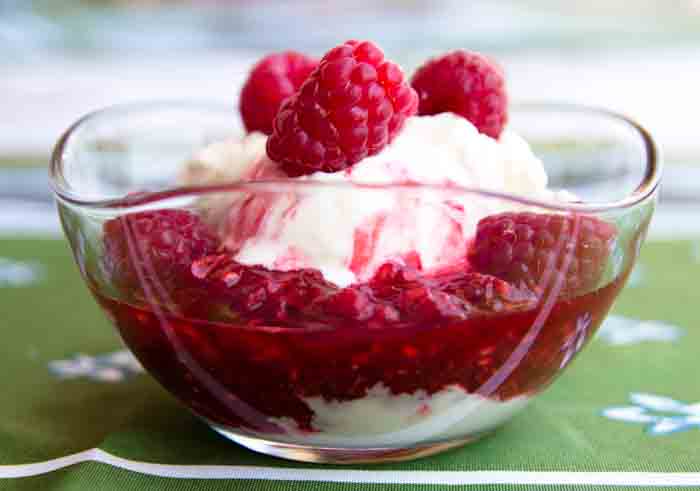
The Health Benefits of Raspberries
Now that we’ve discussed the nutritional value of raspberries, let’s look at how these delicious berries can help our bodies.
In addition to their vitamins and antioxidants, raspberries also offer many health benefits for the heart. Eating raspberries can contribute to better blood pressure and cholesterol levels, reducing the risk of heart disease.
These little fruits are also rich in fiber, which is beneficial for our digestion and weight management. Additionally, they contain potassium, magnesium, and folate, which are essential for overall health.
Raspberries are not only delicious but also an important part of a healthy diet in the Western world. According to extensive research, they provide essential nutrients and beneficial phytochemicals that contribute to our health.
Moreover, recent studies show that the bioactive polyphenols in raspberries can help reduce the risk of chronic diseases such as heart disease, diabetes, obesity, and Alzheimer’s disease. This makes raspberries a true superfood in our daily diet.
Incorporating Raspberries into Your Diet: Delicious and Creative Ideas
If you love raspberries, then I have good news for you – there are countless ways to incorporate them into your diet!
From smoothies to salads and even cocktails, the possibilities are endless. I’m sure you can’t get enough of this delicious fruit.
Below you’ll find a list of creative ideas to add more raspberries to your daily routine:
- Make a refreshing raspberry smoothie for breakfast or a snack.
- Add chopped raspberries to a green salad for extra flavor and texture.
- Try a spicy raspberry salsa as a side dish with grilled chicken or fish.
- Treat yourself to a decadent treat with chocolate-covered raspberries; perfect for special occasions!
Now that we’ve talked about how delicious and healthy raspberries can be, you’ll naturally want to know how to keep them fresh for as long as possible.
Read on quickly to my next section on ‘how to choose and store raspberries: tips to keep them fresh’.
How to Choose and Store Raspberries: Tips to Keep Them Fresh
If you’re looking for sweet, juicy raspberries to enjoy, there are a few things to look for when choosing and storing.
Always choose firm, bright red raspberries without bruises or soft spots. Make sure there’s no visible mold, as this can indicate spoilage.
Store fresh raspberries in the refrigerator and wash them just before use to extend their shelf life. If you plan to store raspberries for longer than a day, consider freezing them or preserving them with sugar or vinegar.
This way you can also enjoy these delicious fruits outside of season!
Raspberry Cake
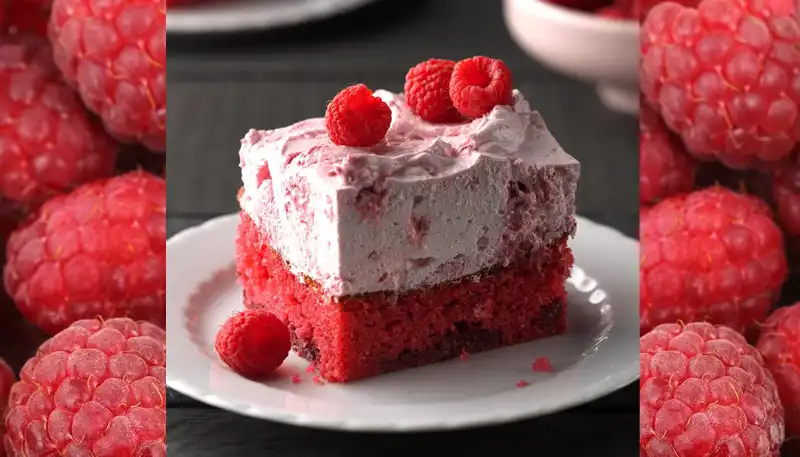
There’s nothing quite like the combination of sweet and tart flavors in this raspberry cake. It’s a simple yet stunning dessert that’s perfect for any occasion. This cake is moist, flavorful, and topped with a luxurious raspberry frosting that makes it irresistible. This recipe will surely become a favorite, whether you’re baking for a special celebration or just because. You’ll love how quickly this cake comes together with its easy-to-find ingredients and simple steps.
Ingredients for Raspberry Cake
- White cake mix: This provides a quick and easy base for the cake.
- Raspberry gelatin: Raspberry gelatin adds a burst of raspberry flavor and a beautiful pink tint to the cake.
- Eggs: Eggs are essential for the structure and richness of the cake.
- Canola oil: Canola oil keeps the cake moist and tender.
- Hot water: Hot water helps dissolve the gelatin.
- Frozen sweetened raspberries: Thawed and not drained, these raspberries add natural sweetness and fresh raspberry flavor.
- Frozen whipped topping: Frozen whipped topping makes the mousse airier and provides a smooth texture.
- Fresh raspberries: Fresh raspberries are optional for an extra touch of freshness and garnish.
Instructions
Step 1: Prepare the Batter
Preheat your oven to 350°F. In a large bowl, combine the cake mix, raspberry gelatin, eggs, canola oil, and hot water. Beat on low speed for 30 seconds to combine the ingredients, then increase the speed to medium and beat for two minutes until the batter is smooth. Gently fold in the thawed raspberries with their juice.
Step 2: Bake the Cake
Pour the batter into a greased 13×9 inch baking pan. Bake for 35 to 40 minutes in your preheated oven or until a toothpick inserted in the center comes out clean. Let the cake cool completely in the pan on a wire rack.
Editor’s Tip: Feel free to use baking spray to prepare your baking pan so the cake comes out easily once cooled.
Step 3: Prepare the Frosting
In a large bowl, gently fold the thawed whipped topping into the thawed raspberries until well combined. Once the cake is at room temperature, spread the frosting evenly over the cake.
Step 4: Chill and Serve
Chill the cake in the refrigerator for at least two hours before serving to allow the flavors to come together and the frosting to set. Garnish with fresh berries if desired.
Variations on Raspberry Mousse Cake
- Add fresh lemon zest: Add the zest of a lemon to the cake batter for a refreshing citrus twist.
- Make a chocolate-raspberry cake: Replace the white cake mix with chocolate mix and the raspberry gelatin with chocolate-raspberry gelatin for a rich, decadent version.
- Add almond extract: Add a teaspoon of almond extract to the batter for a flavor that pairs beautifully with raspberries.
How to Store Raspberry Cake
Leftover cake can be stored in an airtight container in the refrigerator for up to three days.
Can You Make Raspberry Cake Ahead of Time?
Yes, you can make this cake a day ahead. Prepare the cake and frosting according to the instructions and refrigerate. Apply the frosting just before serving for the best presentation.
Tips for Raspberry Cake Recipe
Which Raspberries Should I Use?
You can use either fresh or frozen raspberries. When using frozen raspberries, make sure they’re thawed and not drained to retain the moisture in the cake.
Can I Put Frozen Fruit in the Cake Batter?
Yes, you can put frozen fruit in the cake batter, but it’s best to thaw the fruit first and drain it to prevent excess moisture in the batter.
Can I Use a Different Type of Gelatin?
Yes, you can experiment with different gelatin flavors to create unique flavor combinations.
How Do I Prevent the Cake from Sticking to the Baking Pan?
Thoroughly grease the baking pan with butter or non-stick spray and consider lining the bottom with parchment paper for easy removal.
Ingredients
- 1 box white cake mix (regular size)
- 1 package (3 oz) raspberry gelatin
- 4 large eggs, room temperature
- 1/2 cup canola oil
- 1/4 cup hot water
- 1 package (10 oz) frozen sweetened raspberries, thawed, not drained
- FROSTING:
- 1 container (12 oz) frozen whipped topping (about 1 quart), thawed
- 1 package (10 oz) frozen sweetened raspberries, thawed, not drained
- Fresh raspberries, optional
Instructions
- Preheat oven to 350°F. In a large bowl, combine cake mix, gelatin, eggs, oil, and water; beat on low speed for 30 seconds. Then beat on medium speed for 2 minutes. Stir in the raspberries.
- Pour batter into a greased 13×9 inch baking pan. Bake 35-40 minutes, or until a toothpick inserted in the center comes out clean. Cool completely.
- For frosting: In a large bowl, fold the whipped topping into the raspberries. Spread this mixture over the cake. Refrigerate the cake for 2 hours before serving. Store in the refrigerator. Garnish with fresh raspberries if desired.
Nutrition Facts
1 piece: 330 calories, 15g fat (6g saturated fat), 53mg cholesterol, 233mg sodium, 44g carbohydrates (29g sugars, 2g fiber), 4g protein.
Cooking with Raspberries: Savory and Sweet Recipes to Try
Now that we know how to keep raspberries fresh, let’s look at the nutritional value of this delicious fruit. Raspberries are rich in vitamin C and also contain fiber, folate, and potassium. This combination makes them a healthy snack for people of all ages.
As a dietitian, I recommend using raspberries in various ways in your diet. Below you’ll find some options:
- Savory options: Finely chop some raspberries and sprinkle them over a salad for extra flavor and texture.
- Unique desserts: Mix pureed raspberries into yogurt or cottage cheese for a refreshing dessert after dinner.
- Grilled ideas: Place whole raspberries briefly on the grill until warm and serve with balsamic vinegar as a side dish with grilled chicken or fish.
- Raspberry salads: Make a fresh salad with spinach, goat cheese, walnuts, and fresh raspberries.
- Breakfast treats: Add chopped raspberries to pancake batter or oatmeal for a sweet start to your day.
But why stop at just savory dishes? In the next section, we’ll explore baking with raspberries – think pies, cakes, and other delicious desserts!
Baking with Raspberries: Delicious Desserts for Every Occasion
When it comes to baking with raspberries, the possibilities are endless! These juicy fruits add such a delicious flavor and texture to all kinds of desserts.
From classic Raspberry Pie to decadent Chocolate-Raspberry Mousse, there’s something for everyone!
One of my favorite ways to incorporate raspberries into a dessert is by using them in a creamy Raspberry Cheesecake or on a crispy Raspberry Tartlet.
And when the weather is warm, you can’t go wrong with homemade Raspberry Ice Cream! The best part? Raspberries are full of vitamin C and antioxidants, making these desserts not only delicious but also healthy.
Preserving Raspberries: Making Jam, Jelly, and More
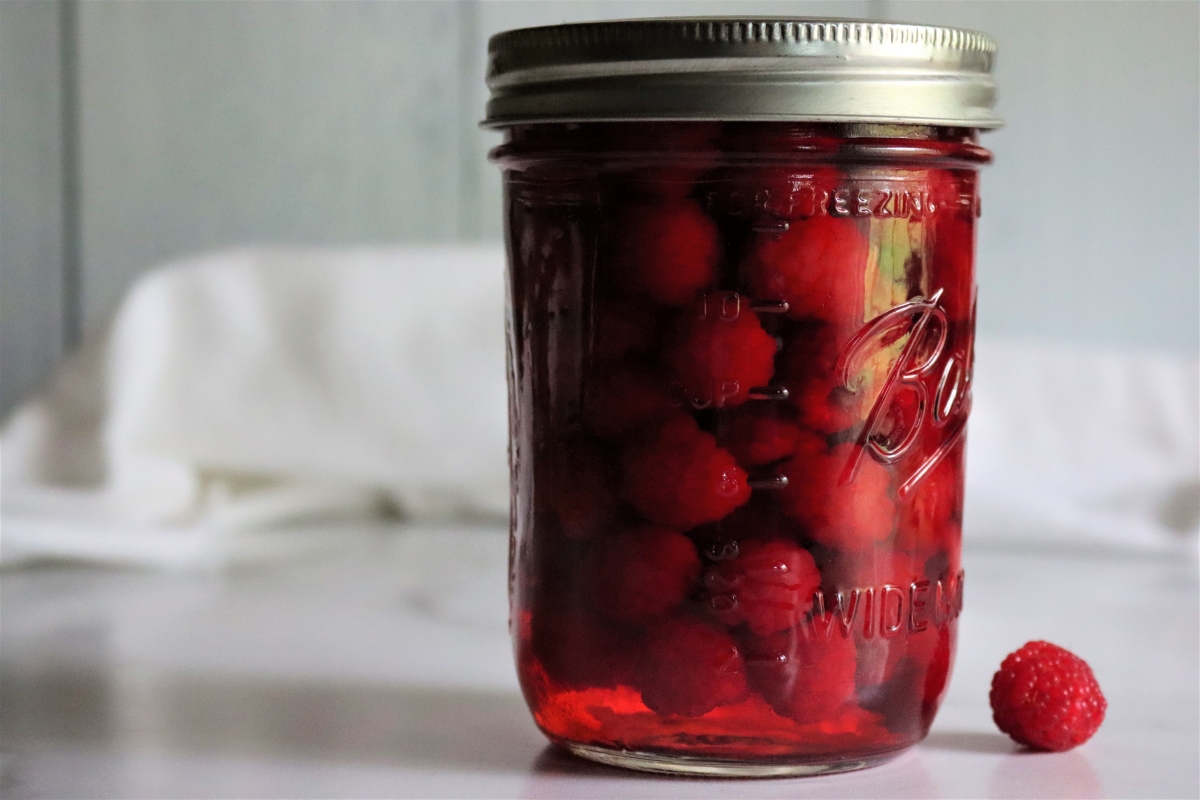
If you’ve managed to get your hands on plenty of raspberries, it might be a good idea to preserve them for later use. There are various ways to do this, such as making jam or canning.
Jams and jellies are fantastic ways to preserve the flavor of fresh raspberries longer and add sweetness to dishes. Plus, with canned raspberries, you can bake delicious pies, for example.
If you don’t have much time, you can also consider simply freezing or drying the raspberries. Frozen raspberries are perfect for smoothies or homemade ice cream, while dried raspberries are ideal as a snack on the go.
Another fun option is fermenting or pickling the berries. This gives a unique twist to the flavor and makes them suitable as a topping for salads or sandwiches. You can also do more creative things with them like candying, making syrups, and infusing through steeping in alcohol.
Here are two unique and delicious raspberry dessert recipes that will surely tickle your taste buds:
-
Raspberry-Lavender Panna Cotta
This elegant Italian dessert gets a refreshing twist with raspberries and a hint of lavender.
Ingredients:
- 500 ml heavy cream
- 250 g fresh raspberries
- 50 g sugar
- 3 sheets gelatin
- 1 teaspoon dried edible lavender
- Honey for garnish
Preparation:
- Soak the gelatin in cold water.
- Heat the cream with sugar and lavender. Let steep for 10 minutes and strain.
- Squeeze out the gelatin and dissolve in the warm cream.
- Divide half of the raspberries among 4 glasses.
- Pour the cream mixture over and let set in the refrigerator for at least 4 hours.
- Garnish with the remaining raspberries and a drizzle of honey.
- Raspberry-Mascarpone Tiramisu
-
A fresh summer twist on the classic Italian tiramisu.
Ingredients:
- 250 g mascarpone
- 250 ml heavy cream
- 50 g powdered sugar
- 300 g fresh raspberries
- 200 g ladyfinger cookies
- 100 ml raspberry juice
- 50 ml limoncello
- Mint for garnish
Preparation:
- Mix raspberry juice with limoncello.
- Whip mascarpone with powdered sugar and heavy cream until fluffy.
- Briefly dip the ladyfinger cookies in the raspberry mixture.
- Layer in a dish: cookies, cream, raspberries. Repeat.
- End with a layer of cream and garnish with raspberries and mint.
- Let set in the refrigerator for at least 2 hours.
These desserts combine the sweet-tart flavor of raspberries with surprising ingredients for a true taste sensation. They’re not only delicious but also a feast for the eyes. Perfect for a summer dinner or special occasion!
Verified Sources
- Rao, A., & Snyder, D. (2010). Raspberries and human health: a review. Journal of agricultural and food chemistry, 58 7, 3871-83. A comprehensive review of the potential of raspberries for human health.
- Burton-Freeman, B., Sandhu, A., & Edirisinghe, I. (2016). Red Raspberries and Their Bioactive Polyphenols: Cardiometabolic and Neuronal Health Links. Advances in nutrition, 7 1, 44-65. Examines the composition and nutritional quality of raspberries and their impact on health.
- Giampieri, F., Tulipani, S., Álvarez-Suárez, J., Quiles, J., Mezzetti, B., & Battino, M. (2012). The raspberry: composition, nutritional quality, and impact on human health. Nutrition, 28 1, 9-19. A focus on clinical studies highlighting the promising health benefits of raspberries.
Related Articles





Frequently Asked Questions
How Do Raspberries Grow?
Raspberries grow on bushes and develop from flowers. They need sunlight, water, and well-draining soil to thrive.
Are There Negative Effects of Consuming Too Many Raspberries?
Too many raspberries can cause stomach problems or allergic reactions in some people due to their high fiber and fructose content.
Can Raspberries Be Eaten by People with Certain Allergies?
People with allergies to pollen or certain fruits may experience allergic reactions from raspberries. Consult a doctor if you’re unsure.
What Is the Best Way to Clean Raspberries Before Eating Them?
Rinse raspberries gently under cold running water just before consumption and remove any damaged berries.
How Long Do Raspberries Usually Stay Fresh in the Refrigerator?
Raspberries usually stay fresh in the refrigerator for 2-3 days. Store them unwashed in an open or ventilated container to extend their shelf life.