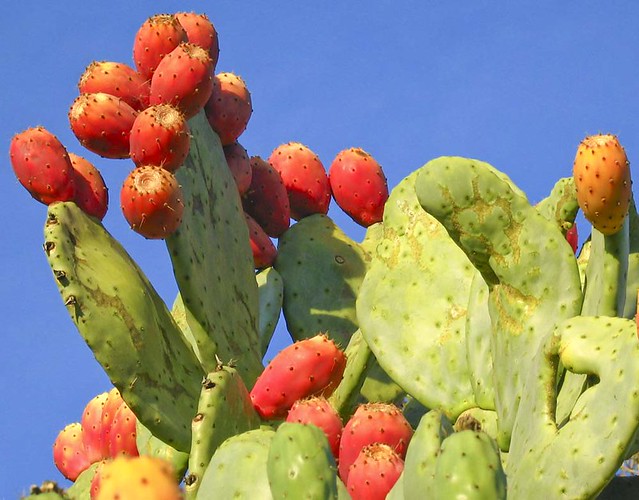
The prickly pear fruit, also known as tuna, grows on the Opuntia ficus-indica cactus and is gaining increasing popularity in Dutch supermarkets. This exotic fruit from Mexico is definitely known for its unique flavor and remarkable health benefits.
What makes this colorful fruit so special is the combination of sweet and fresh flavors, comparable to a cross between watermelon and pear. Additionally, the tuna contains an impressive amount of antioxidants, fiber, and minerals that are truly good for your body.
The 5 Key Takeaways
- The fruit contains more vitamin C than oranges, which will undoubtedly give your immune system a boost.
- Scientific research shows that tuna may help regulate blood sugar levels.
- The unique antioxidants, called betalains, protect your DNA against damage from free radicals.
- With regular use, the fruit may help lower cholesterol levels.
- The fiber-rich composition supports digestion and provides a longer feeling of fullness.
What Exactly Is the Prickly Pear Fruit?
The prickly pear fruit grows on the Opuntia ficus-indica, a cactus species that originally comes from Mexico. This tuna has a thick skin with small spines and juicy flesh full of black seeds.
Impressive Nutritional Value
As for nutrients, the tuna actually scores surprisingly high. Scientific research shows that the fruit is packed with vitamin C, calcium, magnesium, and fiber.
Additionally, the fruit contains natural antioxidants such as betalains and flavonoids. These substances are responsible for the characteristic bright red or yellow color of the flesh.

Health Benefits at a Glance
Benefits of the Prickly Pear Fruit
- High vitamin C content for strong immunity
- Fiber-rich for healthy digestion
- Natural antioxidants against aging
- Supports blood sugar regulation
Drawbacks of the Prickly Pear Fruit
- Small spines can cause irritation
- High price in Dutch supermarkets
- Limited shelf life after purchase
- Possible laxative effect with excessive use
Scientific Evidence of Health Effects
Research on the antioxidative capacity of the juice shows that the fruit truly offers protection against DNA damage. These antioxidants likely help prevent premature aging.
Moreover, studies have shown that regular consumption may reduce inflammatory reactions in the body. This is mainly due to the unique combination of betalains and other bioactive compounds.
Effect on Blood Sugar and Diabetes
However, it is important to be careful with medication use. The fruit can cause interactions with certain diabetes medications, so consulting with your doctor is absolutely recommended.
Glossary
- Betalains: Natural pigments that provide the red color and strong antioxidative action
- Flavonoids: Plant compounds with anti-inflammatory and protective properties
- Opuntia ficus-indica: Scientific name for the cactus fruit or prickly pear
- Antioxidants: Substances that neutralize harmful free radicals in the body
How Do You Use the Prickly Pear Fruit?
Preparing the tuna requires some caution due to the small spines on the skin. Use thick gloves or a fork to hold the fruit while peeling it.
Once peeled, you can eat the flesh raw, blend it into smoothies, or use it for jam and syrups. The seeds are edible, although some people prefer to strain them out.
Availability and Quality in the Netherlands
Health experts recommend choosing ripe fruits that feel soft but are not dented. The quality of imported tunas can vary quite a bit.
In Dutch supermarkets, you’ll find the fruit mainly between October and March. Note that the price is considerably higher than for local fruit, but the unique benefits most likely make up for it.
Conclusion
The prickly pear fruit definitely deserves a place in a healthy diet. The combination of antioxidants, fiber, and vitamins makes it a valuable addition to your daily menu.
While more research is always welcome, current studies show promising results for heart disease, diabetes prevention, and overall health. Try this exotic superfruit – your body will undoubtedly benefit from it.
Related Articles




Frequently Asked Questions
How Do You Eat a Prickly Pear Fruit?
Cut off the top and bottom, make a vertical cut in the skin, and carefully peel away the outside. You can slice the flesh or simply scoop it out with a spoon.
Is the Prickly Pear Fruit Safe for Diabetics?
Generally yes, but always consult with your doctor first. The fruit can affect the effectiveness of diabetes medications and cause your blood sugar to drop too much.
Where Can I Buy Prickly Pear Fruits in the Netherlands?
You’ll find them in larger supermarkets, specialty shops, and specialized fruit stores. Online ordering is also possible, especially in winter when the season is at its peak.
How Long Do Prickly Pear Fruits Last?
Unripe fruits stay good for about a week at room temperature. Ripe ones can be kept in the refrigerator for a maximum of three days before they become soft.
Can the Seeds of the Prickly Pear Fruit Be Harmful?
No, the seeds are completely edible and even contain healthy oils. Some people find them somewhat hard, but they are certainly not harmful to your health.